
Expert input on Electoral Law revision regarding "meaningful participation"
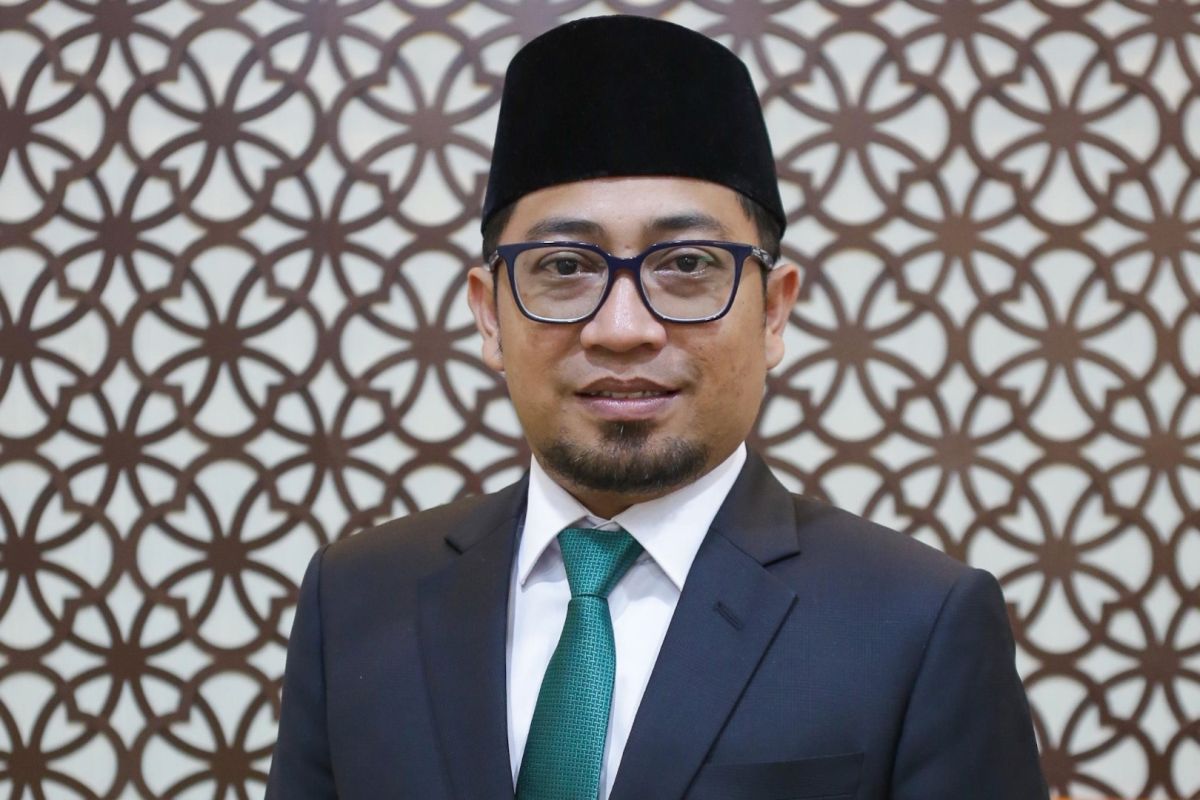
Jakarta — Muhammad Khozin, a member of Commission II of the Indonesian House of Representatives, views input from constitutional law experts regarding the revision of the Electoral Law and Regional Election Law as an important form of public participation in legislative formulation that must be heard and considered, or “meaningful participation.”
“Input from academics and NGOs regarding the revision of the Electoral Law and Regional Election Law is an important part of meaningful public participation,” Khozin told the Indonesian News Agency (ANTARA) in Jakarta on Wednesday.
This remark came in relation to a public hearing held by Commission II on Tuesday (10 March), which invited constitutional law experts. During the hearing, Commission II requested public input regarding the revision of Law No. 7 of 2017 on Elections and Law No. 6 of 2020 on Regional Elections.
Khozin explained that Commission II regularly invites stakeholders such as non-governmental organisations and academics to discuss the evaluation and improvement of regional and general election implementations.
“From various inputs, sometimes there is agreement between different viewpoints, but there are also differing perspectives on certain issues,” he stated.
Khozin noted that Commission II has not yet reached conclusions from the various inputs regarding the Electoral Law and Regional Election Law revisions. According to him, Commission II will compile various inputs from different parties to be incorporated into the formula for changing the Electoral and Regional Election laws.
The Commission II public hearing on Tuesday invited constitutional law experts including Jimly Asshiddiqie, Mahfud MD, and Refly Harun.
During the hearing, Jimly proposed that the General Elections Commission (KPU) be established as the fourth branch of government, after the executive, legislative, and judicial branches, to maintain institutional independence.
“Could we imagine that the KPU is the fourth branch of power? Executive, legislative, judicial, and then this fourth branch. There are several independent institutions that I categorise as micro-quadri politica,” he said.
Mahfud MD assessed that general elections constitute an “open legal policy,” allowing the House of Representatives complete freedom to formulate and decide on the electoral system to be used, naturally based on public aspirations.
According to him, there is nothing wrong with discussing the draft Electoral Law that revisits the matter of open or closed proportional systems. He stated he has no objection if closed proportional systems are discussed again in the current Electoral Law draft discussion. This is because, according to him, many parties have submitted that open proportional systems actually hinder the emergence of ideologically-oriented cadres from political parties.