
Expert: Hybrid Learning is Inappropriate
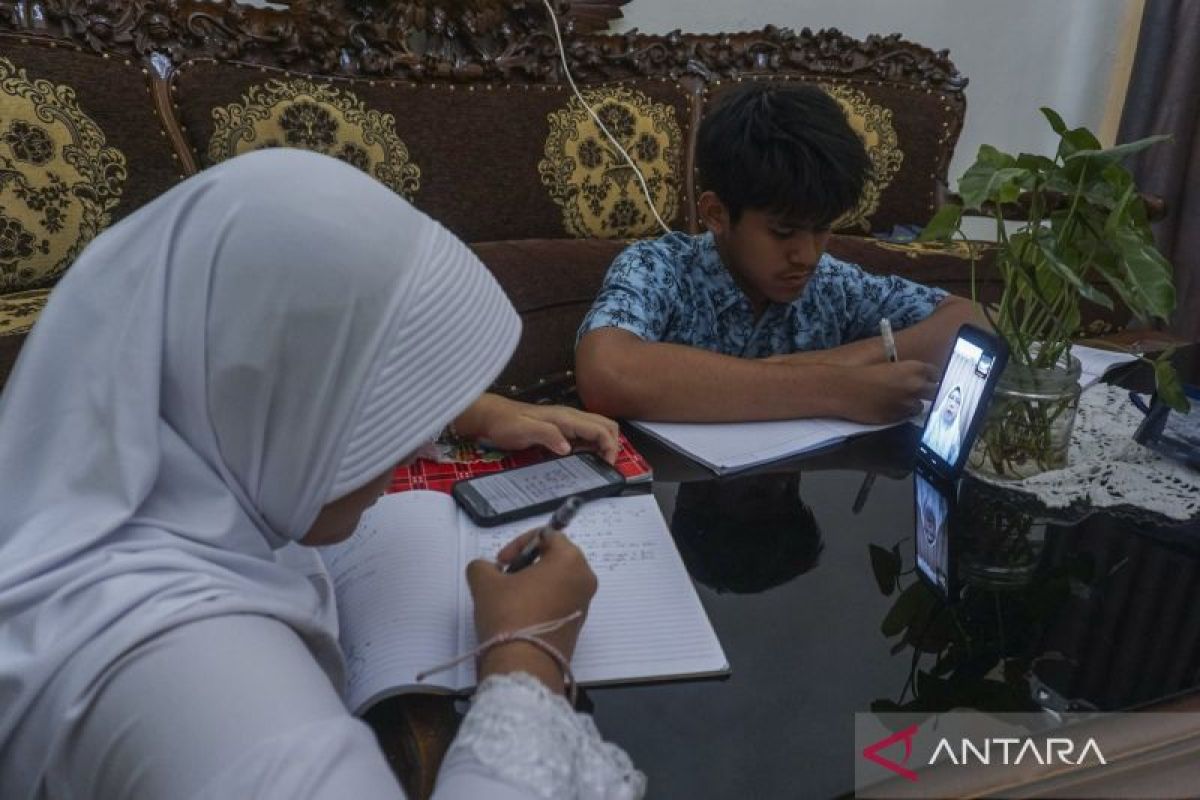
Jakarta (ANTARA) - Professor Susanto, Professor at the University of Higher Quranic Sciences Jakarta, assesses that hybrid learning, which combines online and face-to-face learning, is inappropriate because it still has the potential to increase mobility inefficiently, thus not aligning well with energy savings.
“Considering that the quality of education is the heart of the nation’s and country’s future. Do not let fuel efficiency policies sacrifice something fundamental for the younger generation,” said Susanto via an email message received in Jakarta on Wednesday.
From a neuroscience perspective, he continued, direct interaction in the classroom allows for optimal activation of various brain functions, including attention, emotion, and memory.
Learning that involves social contact, nonverbal expressions, and multisensory experiences has been proven to strengthen students’ understanding and retention.
Conversely, screen-based learning in the hybrid system has the potential to reduce the quality of cognitive stimulation.
Psychologically, the presence of teachers and peers in the same physical space supports the formation of healthy emotional bonds. According to Susanto, this is important for enhancing motivation, self-confidence, and student engagement in the learning process.
From the sociology of education perspective, school is the primary space for character building and social skills. Daily interactions in the school environment train communication skills, collaboration, and conflict resolution.
“The reduction in the intensity of physical presence in the hybrid system can hinder this process,” said the man who serves as the General Chairman of the All-Indonesia Association of Higher Education Academics (Asadiktisi).
Meanwhile, from a pedagogical viewpoint, consistency in learning methods greatly determines academic success. The hybrid model often presents challenges in delivering material, classroom management, and learning evaluation, which can create disparities in learning outcomes among students.
In addition, health aspects are also a concern. Excessive screen exposure in online learning can trigger visual fatigue, sleep disturbances, and reduced physical activity, which ultimately impacts students’ learning readiness.
Susanto supports the cancellation of the government’s plan to implement a hybrid school service system as part of the fuel (BBM) usage efficiency policy.
He reminds that the hybrid school policy requires comprehensive readiness, encompassing operational aspects, infrastructure preparedness, and calculating the long-term impacts on students’ academic and non-academic development.