
Expert Analysis on the Prospects of Extending the US-Iran Ceasefire
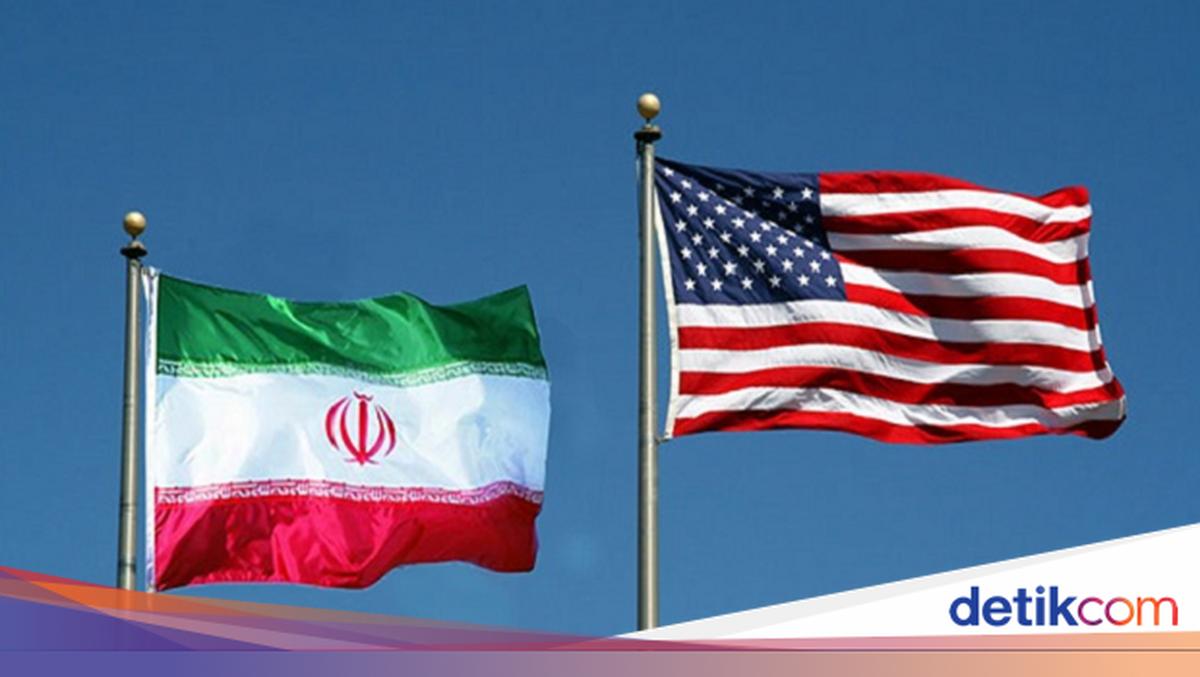
Negotiations between the United States (US) and Iran in Islamabad, Pakistan, ended in deadlock. So, will the two-week ceasefire be extended?
International relations expert Teuku Rezasyah stated that there is a possibility the two-week ceasefire could be extended. However, there are conditions.
“The ceasefire could still be extended, provided the US and Iran are willing to offer a slight but measured tolerance regarding policies they have firmly held until now,” Rezasyah told reporters on Friday (17/4/2026).
Rezasyah said an agreement on the ceasefire could be reached if the US does not persistently pressure Iran to dismantle its nuclear facilities. “For Iran, it would be willing to accept evaluation from the IAEA (International Atomic Energy Agency) regarding the level of enriched nuclear material, as long as it remains below the potential to become nuclear weapons,” said Rezasyah.
Regarding the failure of the US-Iran negotiations, Rezasyah hopes Pakistan will share information on the factors disrupting the talks. “For example, calls from the White House and Tel Aviv pressuring the US delegation to continuously report on negotiation developments,” he explained.
It is known that the two-week ceasefire between the US and Iran was agreed upon since Tuesday (7/4). If calculated as two weeks, the temporary ceasefire ends on Tuesday (21/4).
US-Iran negotiations were once held in Pakistan. However, no agreement was reached between the US and Iran.
The two countries are mutually accusing each other of causing the negotiation failure. US President Donald Trump immediately ordered the US Navy to blockade Iranian ports and position warships in the Strait of Hormuz.
Iran, in turn, immediately threatened to blow up US ships sailing in the Strait of Hormuz.