
Experience of Travelling Home by Electric Car: More Economical or More Complicated?
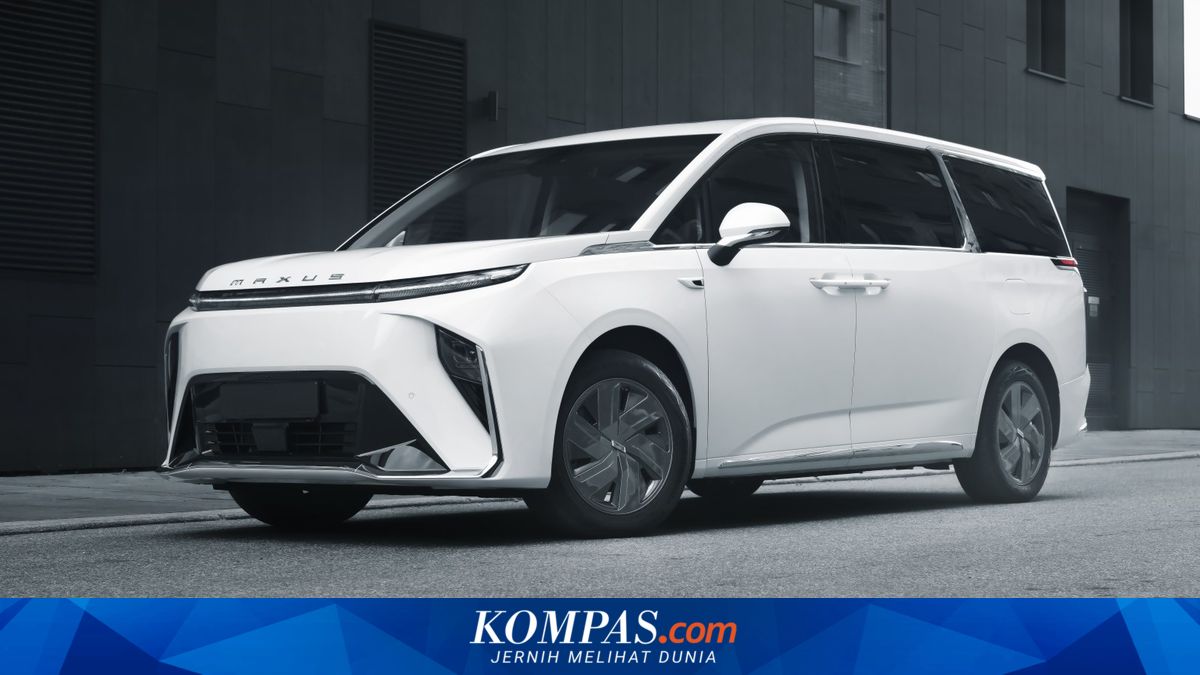
JAKARTA, KOMPAS.com - Traditional homecoming journeys are usually synonymous with the roar of engines and long queues at petrol stations. However, for some travellers this year, the atmosphere is somewhat different. There is no noisy engine sound, and journey breaks are no longer for refuelling petrol, but for charging batteries.
Electric cars are slowly taking on a role in long-distance travel, including for Lebaran homecoming.
Sahil was one of the travellers who experienced the sensation of returning to his hometown using an electric car. He travelled from Jakarta to Solo on 18 March 2026 using the Maxus Mifa 9.
“There were no issues with charging the car because SPKLU (public electric vehicle charging stations) are spread across all rest areas, and many offer ultra-fast charging,” said Sahil to Kompas.com on Thursday (19/3/2025).
He stopped twice to charge, once at rest area KM 130 with 200 kWh ultra-fast charging and once at KM 429 Semarang with 50 kWh power.
“Both took only 30-40 minutes to charge from 30 per cent to 97 per cent. The costs were Rp 188,000 and Rp 185,000 each,” he said.
For him, one of the most noticeable differences compared to conventional cars is the greater cost efficiency.
Another story comes from Agus Hery, who used the BYD Atto 1 Dynamic type. With a range of around 300 km, he departed from Bandung to Kebumen a day earlier, on 17 March 2026.
The journey covered was still within the battery’s range, so he did not need to rush to find a charging spot.
“I used the BYD Atto 1 Dynamic type, which has a 300 km full battery range. I left on Tuesday, 17 March, from Bandung to Kebumen. Since the destination range is under 300 km, I stopped several times to check SPKLU like in Malangbong and Wangon, and they were quiet, no EVs stopping to charge yet,” he said.
He only charged after arriving at the destination.
“So it can be said there were no issues at all so far. From Pasteur Bandung to Lebak Bulus South Jakarta it’s only 120 km, so it only used half the battery capacity,” said Agus.
Meanwhile, Satrio had a longer experience. He undertook a cross-island journey from Depok to Pekanbaru on the night of 16 March 2026 using the BYD Sealion 7.
This journey was not just about distance, but also about confidence, given that not many electric vehicle users have dared to cross Sumatra yet.