
Expensive Plastic: Puan Maharani Suggests Leaf Packaging as a Solution for SMEs
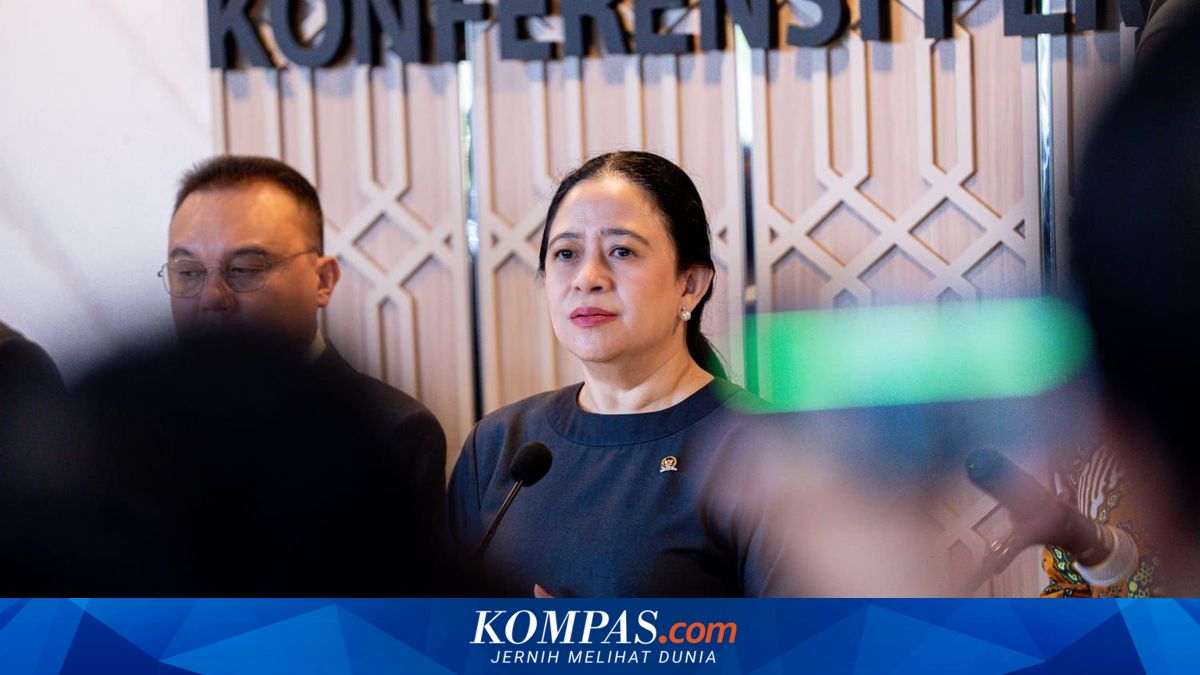
The increase in plastic prices by 30-80% since the beginning of 2026 is beginning to pressure micro, small, and medium enterprises (MSMEs), especially in the food and beverage sector. Reliance on single-use plastic packaging is driving up production costs, while consumer purchasing power has not fully recovered.
House of Representatives Speaker Puan Maharani views this situation as an opportunity for MSMEs to switch to packaging made from natural materials, such as leaves.
“The surging price of plastic and the increasingly difficult supply are causing small business operators to face greater economic challenges. In the past, our ancestors used natural materials like leaves as the main alternative for packaging. Food or staple sellers could return to using environmentally friendly packaging like that,” said Puan in a press release received by Kompas.com on Wednesday (15/4/2026).
According to her, the use of organic packaging is not new in Indonesia. For generations, people have utilised natural materials such as banana leaves or teak leaves to wrap food.
In addition to being more environmentally friendly, natural material packaging is also considered to add value. In some cases, the use of leaves can even preserve food quality and provide a distinctive aroma that enhances product appeal.
“Organic packaging rich in local wisdom also represents creative economy innovation. In addition to supporting Indonesia’s cultural heritage, we are also promoting an environmentally friendly movement,” said Puan.
She added that the shift to organic packaging aligns with efforts to reduce plastic waste and achieve Sustainable Development Goals (SDGs).
Citing data from the United Nations Environment Programme (UNEP), around 19 to 23 million tonnes of plastic waste pollute the world’s aquatic ecosystems every year. Moreover, approximately 2,000 truckloads of plastic waste are dumped into the sea, rivers, and lakes every day.
Furthermore, the government is urged to prepare a supportive ecosystem to ensure the transition to natural packaging is effective. Such support includes regulations, availability of raw materials, and public education.
“Fundamentally, society will adapt to existing habits. If the system supports it, I am confident that organic materials could replace single-use plastic packaging,” said Puan.
Puan also encourages relevant ministries, such as the Ministry of Environment (LH), Ministry of Agriculture (Kementan), Ministry of Trade (Kemendag), and Ministry of Creative Economy, to collaborate in providing accessible and affordable alternative packaging solutions.
“The government needs to facilitate the needs of business operators and consumers for alternative packaging. The House of Representatives will continue to conduct oversight in accordance with its duties and authority,” stated Puan.