
Expensive Plastic, Green Opportunity for the Food System
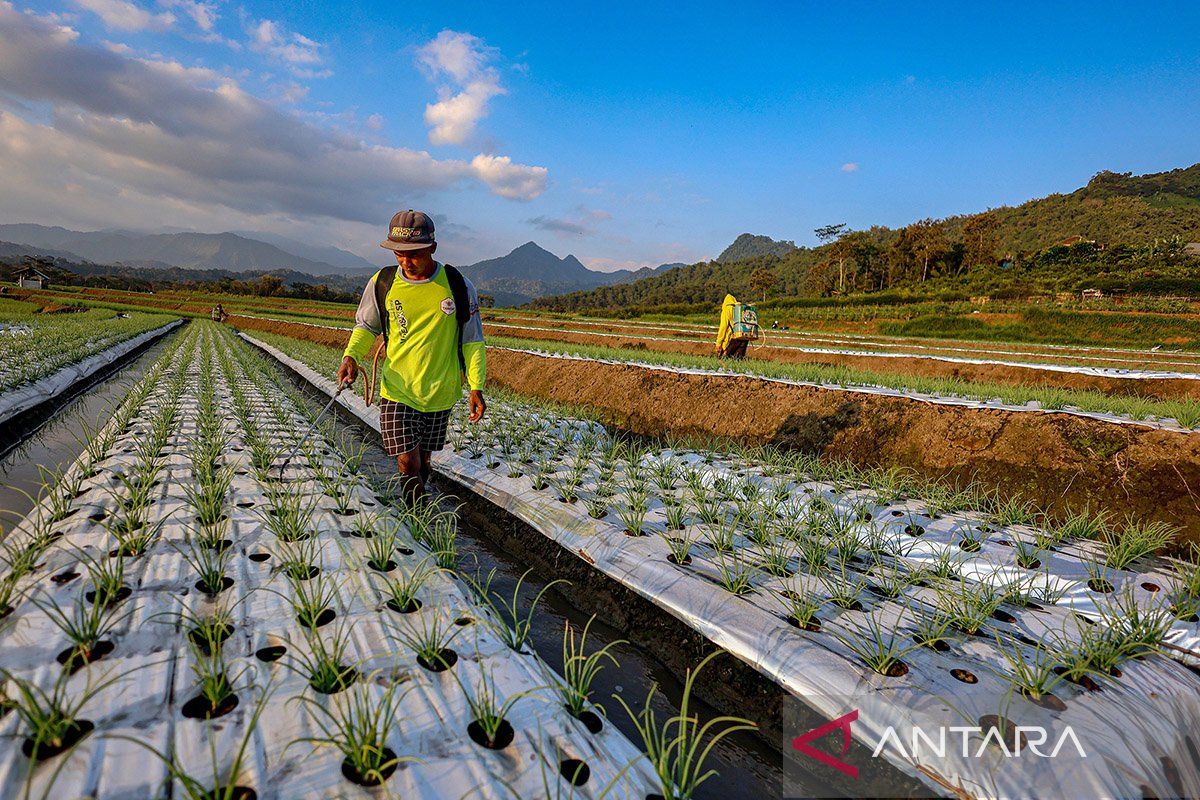
Jakarta (ANTARA) - Plastic is not merely a wrapper. In modern agriculture, plastic regulates water, temperature, and plant life. When plastic prices soar by more than 50% due to global energy supply disruptions in the Strait of Hormuz, it is not only industries that are shaken, but also the foundations of food resilience. The rise in plastic mulch prices adds pressure on farmers who rely on these inputs, while opening up issues that are rarely recognised. In agricultural fields, plastic appears in various forms: mulch that covers the soil surface, irrigation pipes that deliver water, and UV plastic layers on greenhouses that control water, temperature, and growing environment stability. All of this works towards one main goal—regulating water—so plastic is not just a material, but a hydrological instrument. At the same time, drip irrigation systems allow water to be delivered directly to the root zone with high efficiency. This combination makes plastic an effective tool that “locks” water into the soil system, maintains growing environment stability, and ultimately determines agricultural productivity levels. However, this dependence opens up vulnerabilities. When supplies are disrupted, systems overly reliant on plastic become unstable. It is at this point that the crisis becomes a mirror—forcing us to re-examine the foundations of modern agriculture: is the efficiency built so far too dependent on a material that is fragile in its supply chain and problematic ecologically? Plastic does help control the plant growing environment in the short term, but leaves a long trail in the soil. Remnants of mulch that are left behind fragment into microplastics, disrupting soil structure, water movement, and the life of biota that are key to fertility. In this situation, modern agriculture faces a dilemma: maintaining plastic-based efficiency or building systems that are more aligned with the natural functions of soil. The plastic used in the agricultural sector does not appear out of nowhere, but comes from a long industry chain based on fossil energy. Most of its raw materials come from the Middle East—a region that has been the world’s energy production centre for decades. Countries like Saudi Arabia, Qatar, and the United Arab Emirates have integrated petrochemical industries that supply global polymer needs. Plastic raw materials come from petroleum and natural gas processed into naphtha, ethane, propane, and butane, then processed through cracking stages to produce basic compounds like ethylene and propylene. These compounds are then processed into monomers and finally into plastic resins such as polyethylene, polypropylene, PVC, and PET, which are exported in pellet form. Global plastic production has now exceeded 400 million tonnes per year, up from around 2 million tonnes in 1950. Production continues to increase in line with global industry and food needs and is predicted to break through 1 billion tonnes per year. The use of plastic in agriculture has now reached a very large scale and has become an inseparable part of modern food production systems. FAO data shows that globally, around 12.5 million tonnes of plastic are used directly in agricultural activities each year, from mulch and irrigation to crop protection. The need for food packaging is 37 million tonnes of plastic, so the total plastic use in the global food system approaches 50 million tonnes per year. This figure reflects the increasing dependence on plastic in maintaining agricultural productivity and efficiency. For decades, plastic has been a quick solution to increase productivity. Plastic mulch is a choice because it maintains soil moisture, increases soil temperature in highlands, and effectively suppresses weeds. This technology has become a common practice in various horticulture production centres in Indonesia. The use of plastic mulch can suppress weed growth by 80–95%, because it covers the soil surface from the light needed for germination. Thus, competition between main crops and weeds can be minimised, while also reducing the need for labour for weeding. Plastic also plays an important role in food product packaging, such as tofu, tempeh, vegetables, and fruits. This packaging not only protects from contamination but also maintains moisture and slows water loss, so shelf life is longer. When plastic prices rise or supplies are disrupted, the food distribution chain is also affected—especially for fresh products that are highly sensitive to water loss and physical damage.