
Exclusive Breastfeeding Coverage Still Uneven, Working Mothers Face Challenges
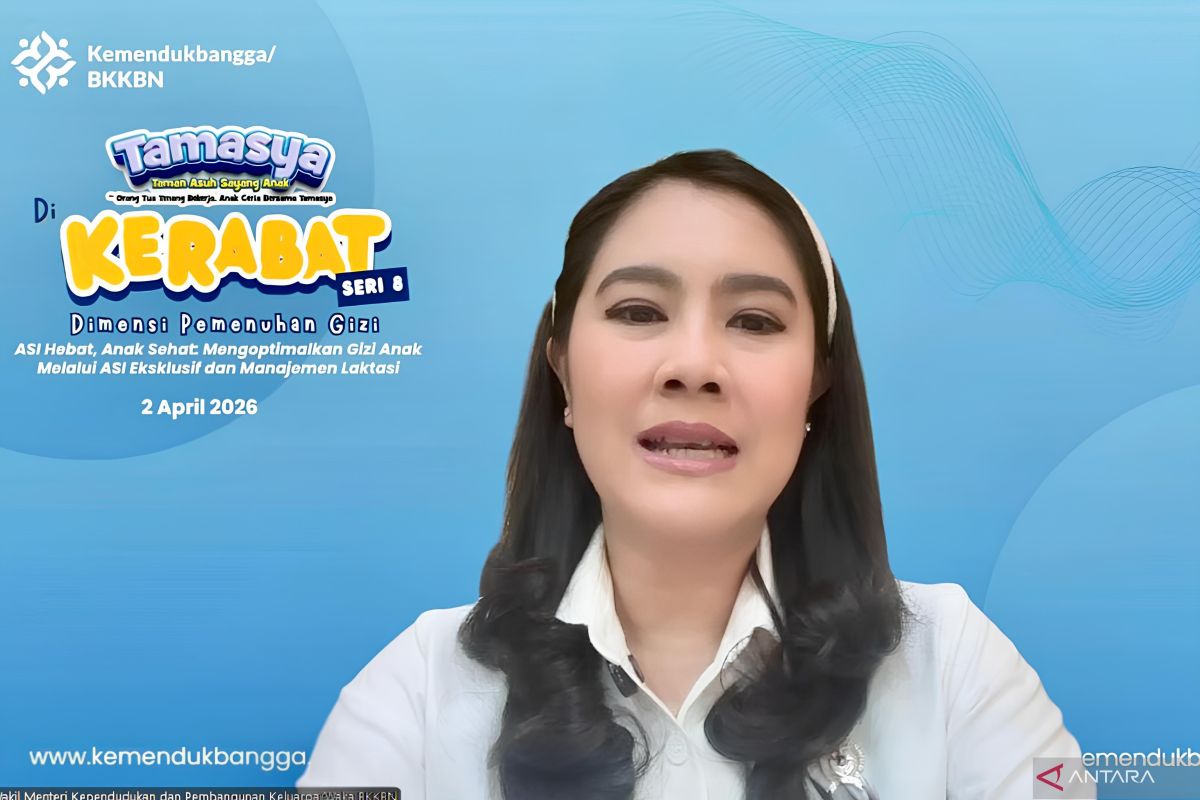
The Ministry of Population and Family Development (Kemendukbangga)/National Population and Family Planning Board (BKKBN) has stated that exclusive breastfeeding coverage in Indonesia remains uneven and poses a particular challenge for working mothers. Deputy Head of Kemendukbangga/BKKBN Ratu Ayu Isyana Bagoes Oka noted that, based on the March 2025 National Socio-Economic Survey (Susenas), the percentage of children aged 0-5 months receiving exclusive breastfeeding reached 72.3%. “When viewed by the mother’s employment status, the percentage of children aged 0-5 months receiving exclusive breastfeeding is lower for working mothers compared to non-working mothers, at 68.57% versus 74.07%. From this data, there is a need to increase efforts in education and support for mothers and families so that exclusive breastfeeding coverage can become more even across all regions of Indonesia,” she said in Jakarta on Thursday. She also stressed the importance of fathers’ involvement in supporting successful breastfeeding. Fathers’ support can stimulate the oxytocin hormone, which plays a role in smooth breast milk production. Isyana further affirmed that support for breastfeeding mothers needs to be strengthened comprehensively, from family environments, healthcare workers, workplaces, to communities. Strengthening lactation management is also crucial so that mothers receive adequate information, support, and guidance from pregnancy through the breastfeeding period. She added that Kemendukbangga/BKKBN continues to promote enhanced education on child rearing and nutritional fulfilment at the family level through family support teams (TPK) and family planning extension workers. “The role of TPK, family planning extension workers, and field cadres is very important in ensuring that every family has the understanding and ability to support child growth and development,” she stated. Isyana hopes that through ongoing education and collaboration from various parties, public understanding of the importance of exclusive breastfeeding can increase further.