
Examining Iran's Uranium, the World's Greatest Mystery
Involving political figures and elites will bolster the legitimacy of government policy.
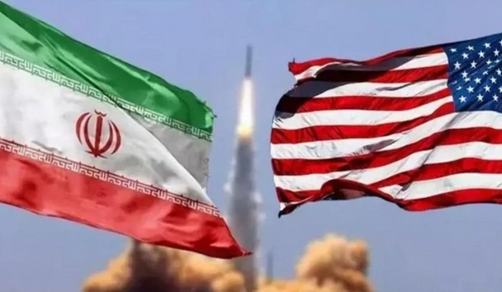
Until March 2026, the Iran uranium issue has remained at the centre of tensions in the Middle East. Following the large-scale air strikes in June 2025 and the latest escalation in early March 2026, the world wonders how advanced Tehran’s nuclear capability is today. Although surface facilities have sustained damage, Iran’s uranium enrichment programme has become harder for the international community to monitor.
According to the latest report from the International Atomic Energy Agency (IAEA), Iran is estimated to still possess enriched uranium stocks up to 60% purity. Technically, this level is only a small step away from 90%, the weapons-grade standard.
One of the biggest crises in nuclear oversight today is the loss of Continuity of Knowledge. Since their facilities were targeted, Tehran has restricted access for IAEA inspectors and powered down several surveillance cameras.
This nuclear tension directly affects global stability in 2026: Iran’s uranium programme in 2026 is no longer merely a laboratory technical issue, but a symbol of Tehran’s sovereignty and a strategic threat to its adversaries. Until transparency with the IAEA is restored, uncertainty will continue to cloud global security.
- Does Iran already have a nuclear weapon?
As of the March 2026 report, the IAEA says there is no evidence of a systematic weapons development programme, though Iran has technical capability that is very close.
- Why is 60% enrichment so concerning?
Because technically, the step from 60% to 90% enrichment is much quicker and easier than from natural uranium to 20%.
- Were Iran’s nuclear facilities destroyed after the attacks?
The June 2025 and March 2026 strikes damaged surface structures, but the main enrichment laboratories located in underground bunkers (such as Fordow) are reportedly still protected.