
Even More Alarming! IEA, IMF, and WB Reveal Unimaginable Global Situation
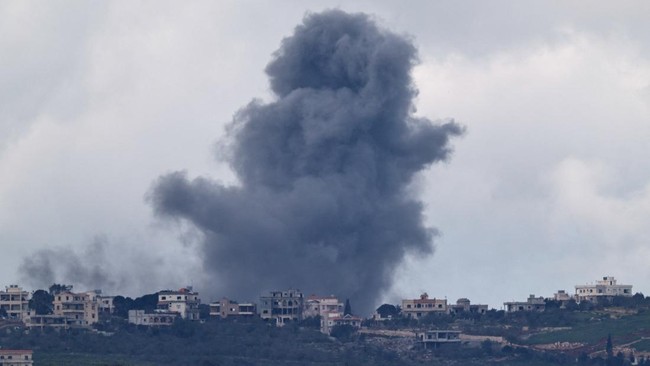
A special coordination group formed to monitor the economic effects of the Iran-US and Israel war held its first meeting yesterday, Monday (13 April 2026). Following the meeting, the group comprising leaders from the International Energy Agency, International Monetary Fund, and World Bank Group stated that the war’s impact is enormous, global in scale, and highly uneven, with disproportionately severe effects on energy-importing countries, especially low-income ones. “This shock has caused rises in oil, gas, and fertiliser prices, also sparking concerns over food security and job losses. Several Middle Eastern oil and gas producers have experienced drastic declines in export revenues,” quoted from the joint statement by the international institutions on Tuesday (14 April 2026). They consider the situation caused by the war in the Middle East to remain highly uncertain, and shipments through the Strait of Hormuz have yet to return to normal. Even after regular shipments through the strait resume normally, they assess that it will take time for global supplies of key commodities to approach pre-conflict levels—and fuel and fertiliser prices are likely to remain high for a considerable period due to infrastructure damage. “Supply disruptions are expected to cause shortages of key raw materials affecting the energy, food, and other industrial sectors,” emphasised the leaders of the three international institutions. They stressed that the war has also caused forced population displacements, affecting employment, and reducing travel and tourism activities, whose recovery is likely to take time. “Today, we shared our latest assessments ahead of the release on Tuesday, 14 April, namely the IEA’s monthly Oil Market Report and the IMF’s World Economic Outlook. We also discussed the situation of the countries most affected by this shock and our respective institutions’ responses,” they said. The team formed within the coordination group assured that they are working closely, including at the country level, to leverage each other’s expertise and assist countries through tailored policy recommendations and, where necessary, financial support from the IMF and World Bank. “We will continue to monitor closely and assess the war’s impact on energy markets, the global economy and individual countries, and coordinate our responses and support to member countries—by collaborating and leveraging the expertise of other international organisations as needed to lay the foundation for a resilient recovery that delivers stability, growth, and jobs,” wrote the leaders of the IEA, IMF, and World Bank in the joint statement.