
Evaluation of Civil Servants' Performance and Push for Professionalism Enhancement in Bandung City
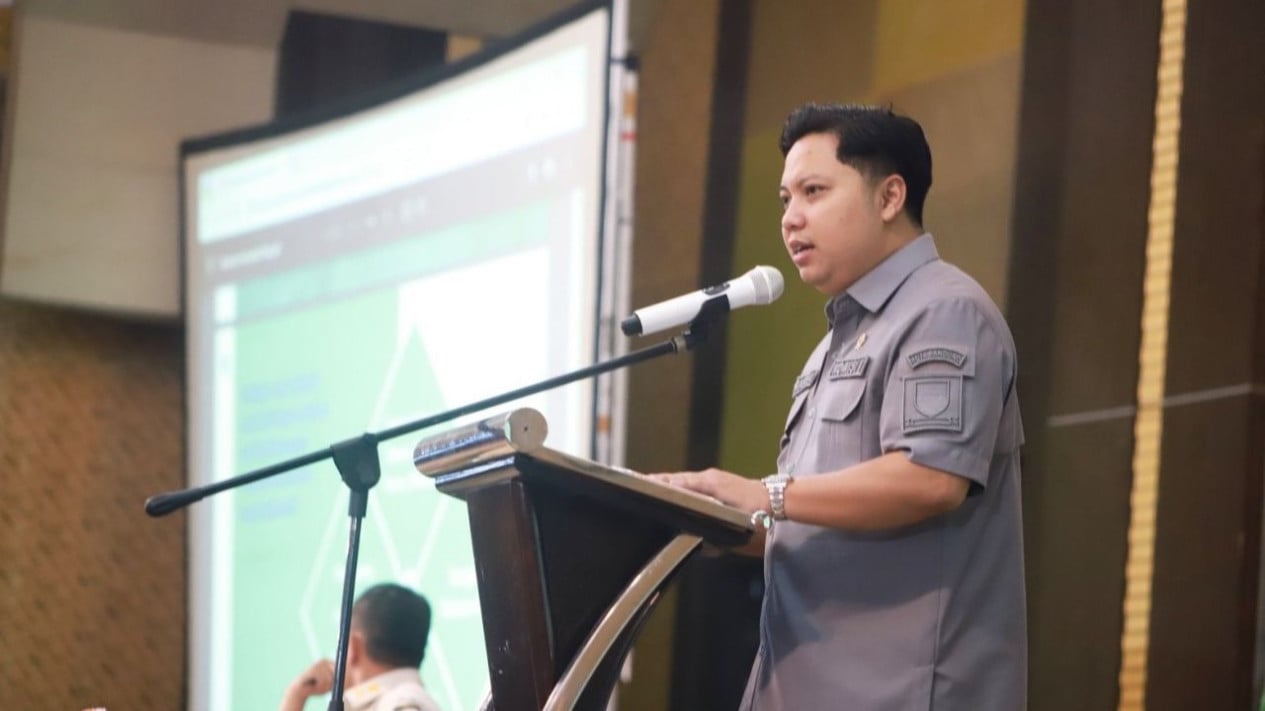
In efforts to realise professional and integrity-based governance, evaluating the performance of Civil Servants (ASN) is an important measure. Based on the provisions of Law Number 20 of 2023 on Civil Servants, ASN is a profession consisting of Civil Servants (PNS) and Government Employees with Work Agreements (P3K), either full-time or part-time, who hold strategic roles in government administration.
Policies on ASN restructuring, including the elimination of non-ASN personnel who have assisted in government tasks, are directed towards creating a more structured and professional work system. This step is expected to enhance the performance of PNS and P3K, thereby optimising public services.
However, realities on the ground indicate that ASN performance still needs improvement. Some ASN are assessed as working at minimum standards, with minimal innovation and not yet demonstrating maximum public service spirit. Moreover, the emergence of job auction issues becomes a key note that needs comprehensive evaluation to avoid undermining meritocracy principles in the bureaucracy.
In the context of social justice, this condition becomes increasingly relevant to highlight when compared to cleaning staff (gober), waste pickers (gaslah), or honorary teachers. In the field, there are still workers receiving incomes of around Rp1.25 million per month, even honorary teachers in some educational institutions only receive hundreds of thousands of rupiah each month, despite having substantial workloads, responsibilities, and important roles in public services.
This comparison shows disparities that require collective attention. In principle of justice and proportionality, differences in welfare levels should align with performance, responsibilities, and real contributions to society. Therefore, ASN who already receive relatively higher salaries and allowances are demanded to demonstrate professionalism, optimal performance, and high integrity as a form of moral and institutional accountability to the public.
On the other hand, efficiency policies through the Work From Home (WFH) scheme implemented by the West Java Provincial Government, such as a four-day office and two-day WFH work pattern, also come under scrutiny. This policy is seen as potentially lowering service spirit if not balanced with supervision and clear performance indicators. Therefore, it is hoped that similar policies will not be applied in Bandung City, and instead prioritise optimal ASN presence in delivering services to the community.