
European nations reject US call to deploy troops to Strait of Hormuz
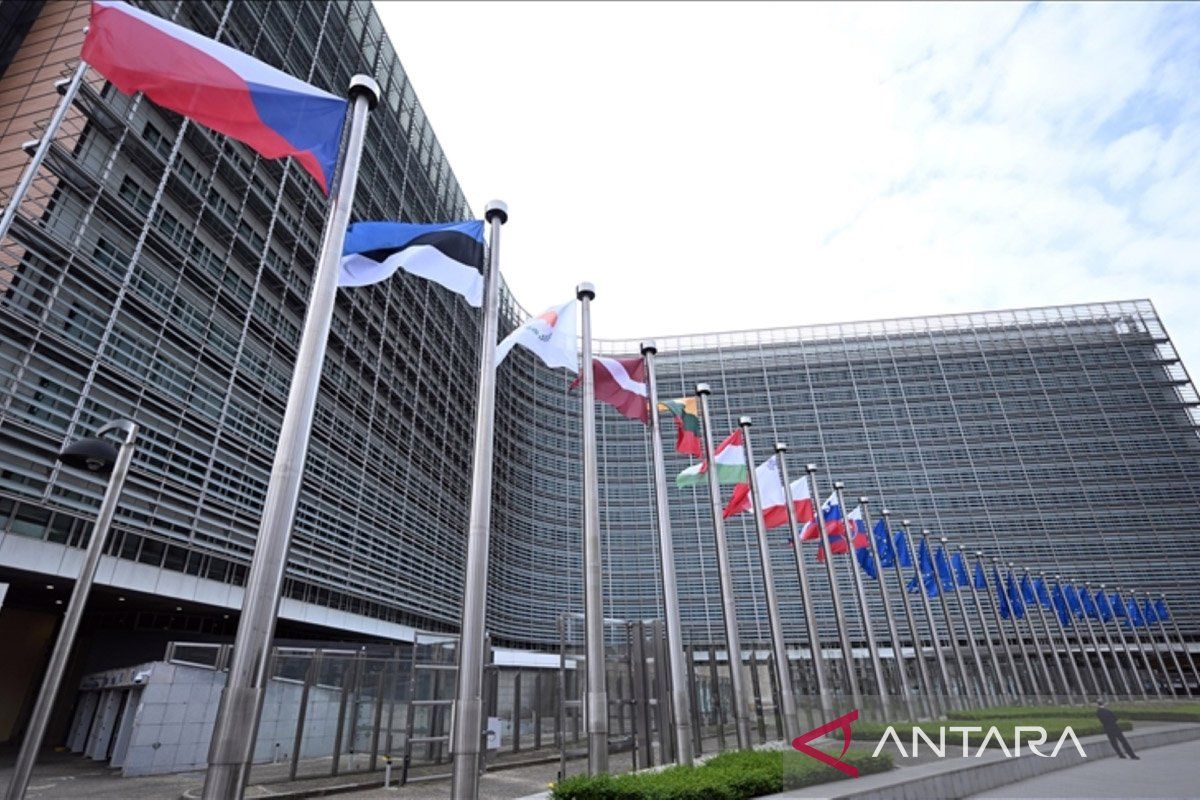
Brussels – European nations have rejected the United States’ call to deploy naval forces to the Strait of Hormuz, emphasising that they do not intend to become militarily involved in the escalating conflict with Iran.
This statement was made by EU High Representative for Foreign Affairs Kaja Kallas on Monday (16 March) following a meeting of EU foreign ministers in Brussels, whilst emphasising that Europe had “no interest in endless war.”
Kallas highlighted that the European Union focused on strengthening maritime security but affirmed that there was no desire amongst member states to expand the current mission, such as Operation Aspides in the Red Sea, or to extend it to the Strait of Hormuz.
“Nobody wants to be actively involved in this war,” she said, noting that the bloc’s priority remained safeguarding freedom of navigation and intensifying diplomatic efforts.
Italian Foreign Minister Antonio Tajani echoed the same message, underlining that the EU’s naval mission, tasked with escorting merchant vessels and anti-piracy operations, was not designed to operate in the Strait of Hormuz.
“We are willing to strengthen these missions,” he said, “but I believe they cannot be expanded to include the Strait of Hormuz.”
Germany also rejected sending troops to the Gulf. Chancellor Friedrich Merz stated that Berlin “will not do so” and called for a swift political solution to the conflict.
Meanwhile, German Defence Minister Boris Pistorius warned that deploying forces outside the North Atlantic Treaty Organisation (NATO) area would require legal approval and parliamentary consent.
“This is not our war; we did not start it. We want a diplomatic solution and a swift resolution to the conflict,” he said.
UK Prime Minister Keir Starmer also rejected US pressure to join military efforts in the region, stating that Britain “will not become involved in a wider war” and emphasising that any deployment must have a legal mandate.
Poland and Belgium also reaffirmed their focus on diplomacy and regional stability, rejecting calls from Washington to contribute naval assets.
Polish Foreign Minister Radoslaw Sikorski criticised US President Donald Trump for portraying NATO as an entity separate from the United States whilst urging European participation in military operations in the Gulf.
Belgian Prime Minister Bart De Wever confirmed his government’s position, telling parliament that Belgium would not join any strikes alongside the United States and Israel.
Earlier on Monday, Trump stated that “many countries” were preparing to assist the United States in reopening the Strait of Hormuz but declined to name them, citing concerns that they could become targets of Iran.
The Strait of Hormuz has been at the centre of global energy markets’ attention since the Islamic Revolutionary Guard Corps (IRGC) announced its closure to most vessels amid US-Israeli attacks on the country, which began on 28 February.
Before the conflict, approximately 20 million barrels of oil passed through the strait daily. The disruptions have driven oil prices to surge.