
Europe Rejects Trump's Call to Deploy Forces in Strait of Hormuz: This Is Not Our War
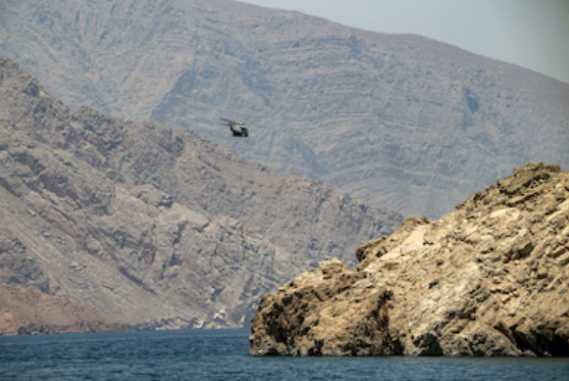
European nations have rejected the United States’ request to deploy naval forces to the Strait of Hormuz. The European Union has affirmed its commitment to avoiding direct military involvement in the escalating conflict between the US-Israel and Iran.
Kaja Kallas, Head of Foreign Policy for the European Union, stated that Europe has no intention of expanding its current military missions. This statement came following a meeting of EU foreign ministers in Brussels on Monday, 16 March.
“We are willing to strengthen these missions,” she said, “but I believe these missions cannot be expanded to include the Strait of Hormuz.”
German Chancellor Friedrich Merz confirmed that Berlin will not deploy troops to the Gulf region and urged an immediate political solution. Similarly, German Defence Minister Boris Pistorius warned of legal and parliamentary constraints on troop deployments outside NATO territory.
“This is not our war; we did not start it. We desire a diplomatic solution,” Pistorius stated.
In London, British Prime Minister Keir Starmer also rejected Washington’s pressure. He stated that Britain will not become involved in a wider war, and any military action must have a clear legal mandate.
Rejection also came from Poland and Belgium. Polish Foreign Minister Radoslaw Sikorski even levelled sharp criticism at US President Donald Trump, whom he considered contradictory in his view of NATO’s position. Meanwhile, Belgian Prime Minister Bart De Wever assured that his country would not join any attack with the US and Israel.
Previously, Trump claimed many countries were prepared to help the US reopen the Strait of Hormuz, but he refused to name these countries, citing security reasons.
The Strait of Hormuz became a global flashpoint after Iran’s Islamic Revolutionary Guard Corps (IRGC) closed the waterway following a US-Israeli attack on 28 February.
Before the conflict erupted, approximately 20 million barrels of oil passed through the strait daily. Disruption to this vital energy corridor has triggered a significant surge in crude oil prices in international markets.