
Europe Now World's Largest Arms Importer Over Russian Concerns
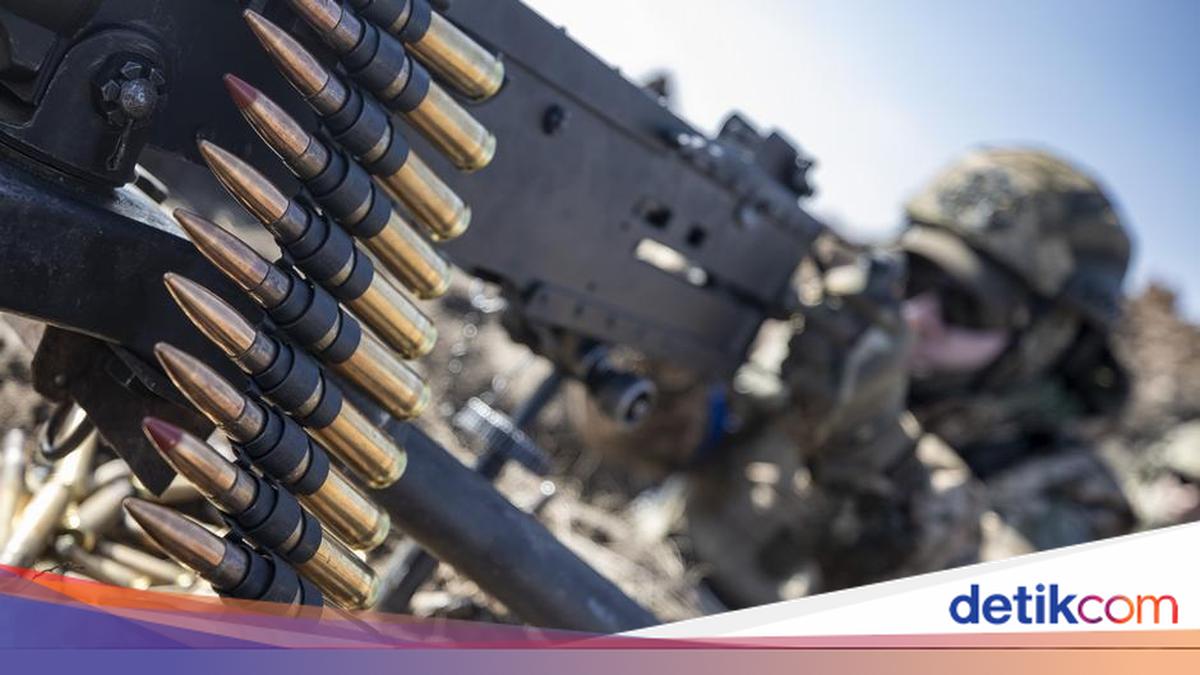
Global weapons trade has resumed growth. A recent report from the Stockholm International Peace Research Institute (SIPRI) shows that global weapons transfers increased nearly 10% in the 2021–2025 period compared with the previous five years.
After declining by approximately one-third since the collapse of communism and the end of the Cold War in the late 1980s and early 1990s, weapons trading volumes have now returned close to 1989 levels.
Europe has become the world’s largest weapons-importing region. In the 2016–2020 period, Asia and Oceania led with 42% of total global imports, followed by the Middle East with 32%. Europe held only third place with 12%.
However, in the past five years, European weapons imports have tripled to reach 33% globally. Asia and Oceania now stands in second place with 31%, followed by the Middle East with 26%. According to SIPRI researcher Mathew George, the surge in weapons flows to European nations has been the primary factor in the nearly 10% increase in global weapons transfers.
One major trigger has been Russia’s large-scale invasion of Ukraine in 2022. “Many European nations have increased weapons imports to strengthen military capabilities against what they perceive as an increasingly serious threat from Russia,” said George.
The Ukraine War Drives European Nations to Arm Themselves
According to SIPRI, US weapons deliveries to Ukraine in 2025 have declined compared with the previous two years.
Since returning as US President, Donald Trump has reduced direct military aid to Ukraine. However, if Ukraine’s allies, such as European Union nations, Australia, or Canada, purchase weapons from the US and then transfer them to Ukraine, SIPRI still counts this as US arms exports to Ukraine.
Nevertheless, Ukraine is no longer the sole factor driving increased arms imports in Europe. The threat from Russia and Trump’s warnings to the European Union have also prompted NATO member states to increase military spending.
The SIPRI report notes that arms imports by 29 NATO members in Europe surged 143% in the 2021–2025 period compared with 2016–2020.
Poland became the largest importer with 17% of total imports in this category, or approximately 3.6% of total global arms imports. Poland’s arms imports surged 852% compared with the previous period.
Other major arms-importing nations in Europe include the United Kingdom and the Netherlands.
The US Expands Its Role as Global Weapons Supplier
Despite declining weapons deliveries since 2025, the US remains the primary arms supplier to Ukraine. Along with South Korea, the US is also one of the important suppliers to European nations.
At the global level, some European nations such as France, Italy, and Germany are expanding their roles as arms exporters.
On the other hand, Germany has surpassed China and is now the world’s fourth-largest arms exporter with approximately 5.7% of the global market share.
Meanwhile, the US is strengthening its position as the world’s largest weapons supplier. In the 2021–2025 period, the country accounted for approximately 42% of total international weapons transfers, up from 36% in 2016–2020. Over that five-year period, the US supplied weapons to 99 nations.
“The US is consolidating its dominance as a global weapons supplier, even amid an increasingly multipolar world,” said SIPRI researcher Pieter Wezeman. He added that under Trump’s administration, weapons exports are increasingly being utilised as a foreign policy instrument.
In South Asia, arms imports have also increased. Both India and Pakistan have stepped up weapons purchases and entered the list of the world’s ten largest arms importers. Tensions between the two nations have been one factor driving this increase.
Middle Eastern Arms Imports Decline
Meanwhile, arms imports in the Middle East have actually declined. The SIPRI report notes a decrease of approximately 13% in the five-year period through 2025.
Nevertheless, three nations in the region still rank among the world’s top ten arms importers: Saudi Arabia with 6.8% of total global imports, Qatar with 6.4%, and Kuwait with 2.8%.
In the near term, these figures are not expected to decline.