
Europe Firmly Rejects Trump's Request for Assistance in the Strait of Hormuz
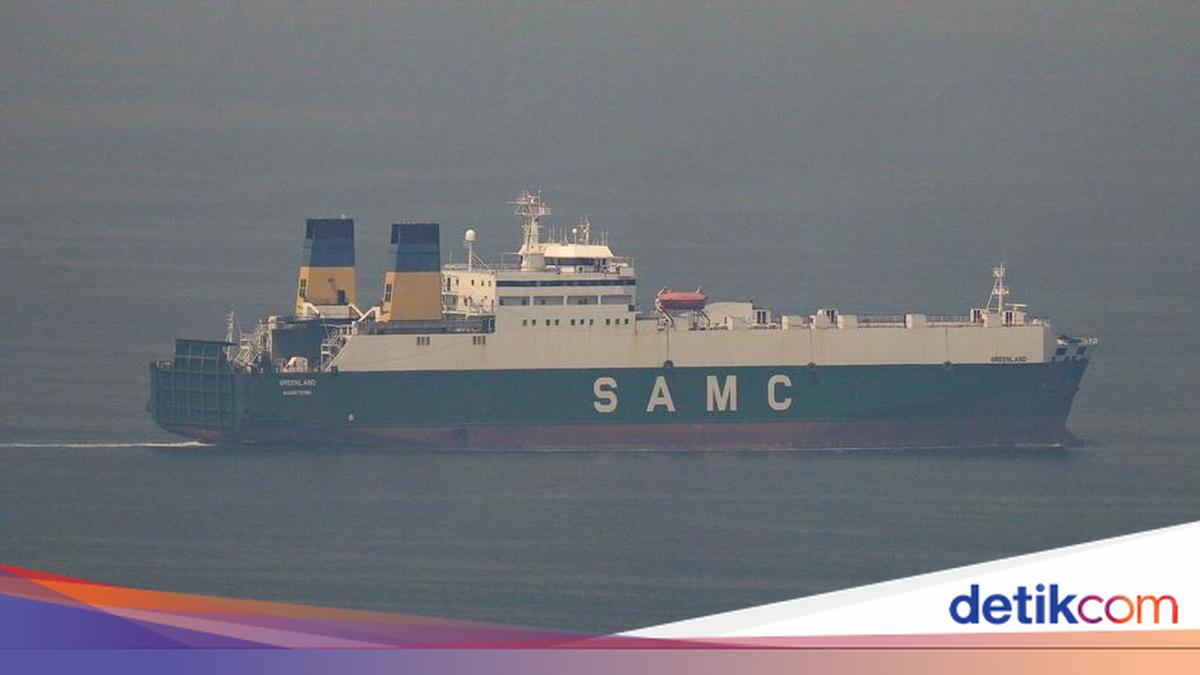
US President Donald Trump has requested assistance from a number of countries to help secure shipping lanes in the Strait of Hormuz, which has been blockaded by Iran due to war. However, European nations have compacted in rejecting Trump’s request.
Iran officially closed the Strait of Hormuz from early March 2026 as a response to combined attacks by the United States and Israel. With the closure of the Strait of Hormuz, it is disrupting a vital global energy trade route.
As a result of the closure, Trump pressed his allied nations to request assistance to deploy naval forces to the Strait of Hormuz. Trump’s request did not receive a positive response, including from European nations.
EU Foreign Policy Chief Kaja Kallas stated that EU nations “have no desire to actively engage in military action against Iran”.
In a statement delivered after a meeting of EU Foreign Ministers in Brussels, Belgium, Kallas emphasised that Europe was “not interested in endless war”. She also stated that war against Iran was not “Europe’s war”.
Kallas highlighted that the EU was focused on strengthening maritime security, but also emphasised that there was no desire among member states to expand the current mission, such as Operation Aspides in the Red Sea or expand it to the Strait of Hormuz.
“No one wants to actively engage in this war,” she stressed, whilst emphasising that the EU’s priority remained to safeguard freedom of navigation and intensify diplomatic efforts.
Italian Foreign Minister Antonio Tajani echoed this position, underlining that the EU Naval Force mission, which is tasked with escorting commercial vessels and anti-piracy operations, was not designed to operate in the Strait of Hormuz.
“We are willing to strengthen these missions. However, I believe these missions cannot be expanded to include the Strait of Hormuz,” he said.
Germany also refused to send troops to the Gulf region. German Chancellor Friedrich Merz stated that Berlin “will not do so” and called for a swift political solution to the conflict.
British Prime Minister Keir Starmer also rejected US pressure to join military efforts in the Strait of Hormuz. He emphasised that Britain “will not be drawn into a wider war”.
Poland and Belgium also rejected US calls to deploy naval assets, and reiterated their focus on diplomacy and regional stability.
Polish Foreign Minister Radoslaw Sikorski even criticised Trump for portraying NATO as separate from the US whilst pushing European participation in US military operations in the Gulf region. Meanwhile, Belgian Foreign Minister Bart De Wever emphasised that his country would not join any attacks with the US and Israel.