
EU Threatens Serbia: Choose Us or Russia
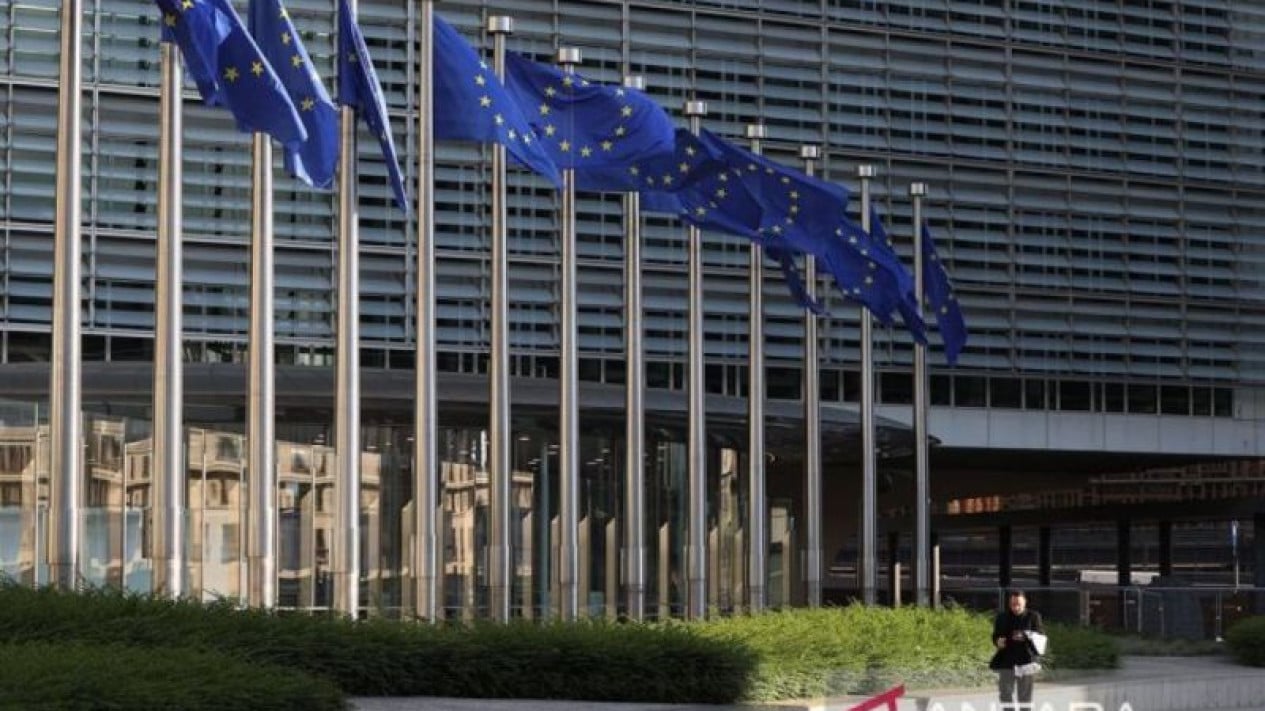
The European Commission is threatening to suspend grant aid worth up to €1.5 billion (Rp30.3 trillion) for Serbia, an EU candidate country, if it continues its ties with Russia. Serbia has received €586 million (Rp11.8 trillion) in grants from 2021 to 2024 as part of economic assistance linked to the EU accession process, while the additional €1.5 billion available on condition of reforms could be withdrawn, according to Politico, citing four Brussels-based sources. EU bureaucrats have cited concerns over perceived democratic backsliding in Serbia as the main reason for the potential step. The EU has long pressured Belgrade to align its foreign policy with the bloc, including implementing sanctions against Russia, Serbia’s long-standing partner. The EU’s enlargement policy is increasingly taking on geopolitical significance, with critics arguing that progress towards membership may depend as much on alignment with Brussels’ strategic priorities as on institutional reforms. Serbia is among several Western Balkan countries granted EU candidate status in the early 2010s, around the time Croatia joined the bloc, as reported by Russia Today on Thursday, 16 April 2026. In 2023, Ukraine, Moldova, and Georgia were also granted candidate status. This move is widely seen as a signal of the EU’s intent to counter Russian influence, rather than purely reflecting those countries’ readiness to meet accession standards. Ukraine argues that fighting Russia on behalf of the West strengthens its bid for membership, a position broadly supported by EU leadership, although no clear accession timeline has been set. Even Poland, a staunch supporter of Kyiv, opposes rapid accession for Ukraine, citing various concerns, such as disruptions to the EU’s common agricultural market if Ukrainian farmers gain full access. The EU’s reaction to political developments in candidate countries appears to depend on their governments’ foreign policies. In Georgia and Moldova – which held parliamentary elections in October 2024 and September 2024 respectively – opposition groups have accused irregularities, including the silencing of critical media and the misuse of state power for electoral gain.