
Ethnoscience and the Future of Development in Papua
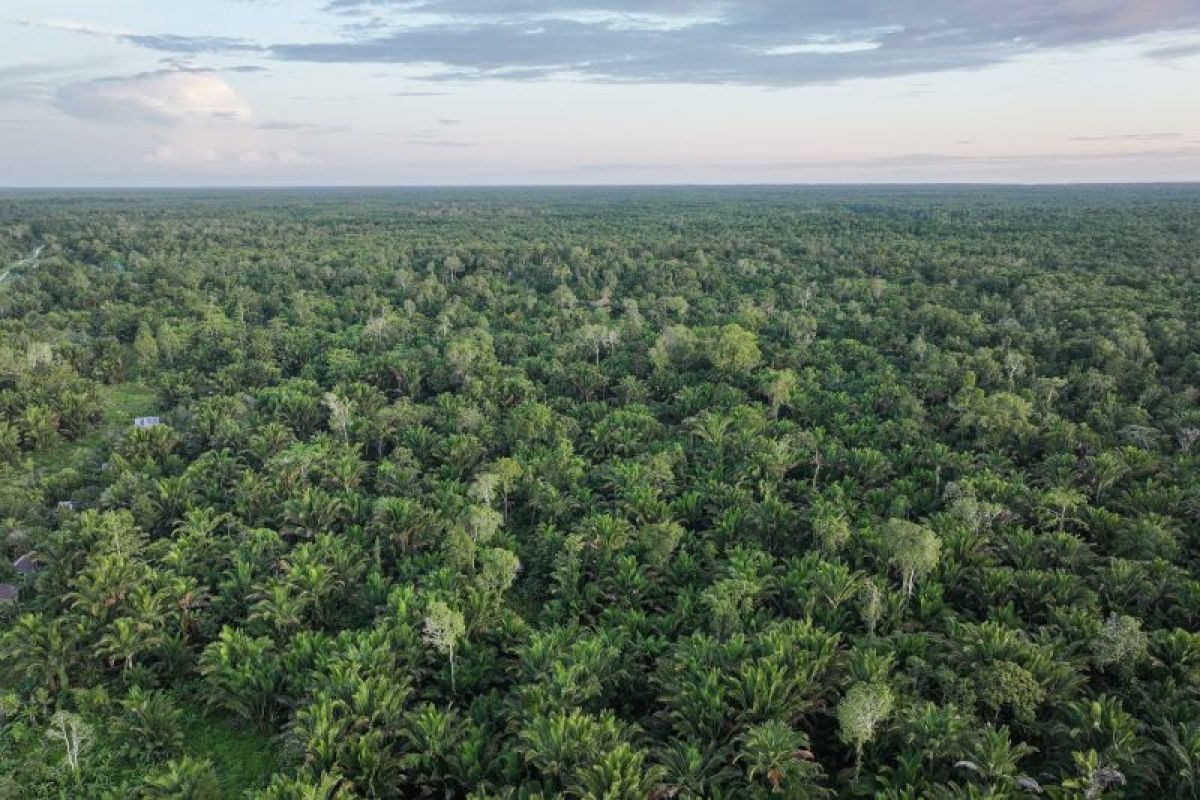
Experience shows that policies born without listening to the voices of local communities often struggle to operate effectively in the field. Jakarta (ANTARA) - For years, development in Papua has been discussed in terms of large figures on investments, infrastructure, economic growth, and various national accelerated development programmes. Roads are built, airports expanded, connectivity networks strengthened, and special autonomy funds continue to be poured in. However, behind all these efforts, one fundamental question remains unanswered: whether development truly grows from the way of life, knowledge, and needs of the Papuan people themselves. This question becomes increasingly important as Papua faces challenges far more complex than mere physical infrastructure issues. Development disparities between coastal and mountainous areas persist, access to education and health services is uneven, while global changes such as digital transformation, climate change, and the transition to a green economy are presenting new pressures on local communities. In such a situation, development can no longer rely solely on uniform, top-down approaches. Therefore, the emergence of the idea of ethnoscience-based development in Papua is something worth noting. This idea seeks to position local knowledge, culture, and the experiences of indigenous communities as an essential part of designing Papua’s future. This approach will be one of the main topics at the III Strategic Papua Analysis Conference (APS) in 2026, to be held from 27 to 29 May 2026 at the Papua Youth Creative Hub Building in Jayapura City, with the theme “Innovation in Papua’s Development Based on Ethnoscience”. Changing Perspectives The conference is not just an ordinary discussion forum. Behind the theme raised, there is an effort to change perspectives on development in Papua. Hitherto, development has often been understood as a process of bringing modernity from outside into Papua. Yet, indigenous Papuan communities have actually developed a system of knowledge over hundreds of years that has proven capable of maintaining balance in life with nature. Thus, the complexity of development challenges in the Land of Papua cannot be resolved solely through conventional top-down and uniform approaches. An ethnoscience-based approach becomes an alternative solution that can bridge local wisdom with modern innovation. This discourse is highly relevant to the current global development reality. The world is beginning to realise that modernisation which ignores local culture often gives rise to new problems, from environmental damage and social conflicts to the loss of indigenous community identities. In many countries, community-based development approaches are seen as more sustainable because communities are no longer just objects of development, but main actors who determine the direction of change. Papua has vast social and cultural capital to implement such an approach. Indigenous Papuan communities have long developed ecological-based natural resource management systems, sustainable traditional farming systems, and social governance that upholds balance and justice. Knowledge like this is often considered simple because it does not originate from modern laboratories, yet it actually contains universal values relevant to current global challenges. Amid the threat of climate change, for example, the world is starting to learn from indigenous communities about how to preserve forests, manage water, and maintain natural balance. In this regard, ethnoscience is not merely cultural romanticism, but an alternative source of knowledge that can be part of future development solutions. The APS III Conference also demonstrates efforts to create broader dialogue spaces between government, academics, adat leaders, religious figures, women, youth, and the international community. As many as 10 thematic forums will be opened, from the Papua Indigenous Peoples Forum, Religion Forum, Papua Women Forum, Health Forum, Education Forum, to the Fisheries and Maritime Forum as well as the Economy and Business Forum. The presence of these forums is important because development in Papua has often been discussed in bureaucratic spaces far from everyday community life. Yet, experience shows that policies born without listening to local community voices often struggle to operate effectively in the field. Formulating Policies