
Eternal Rice Fields for the Nation's Future
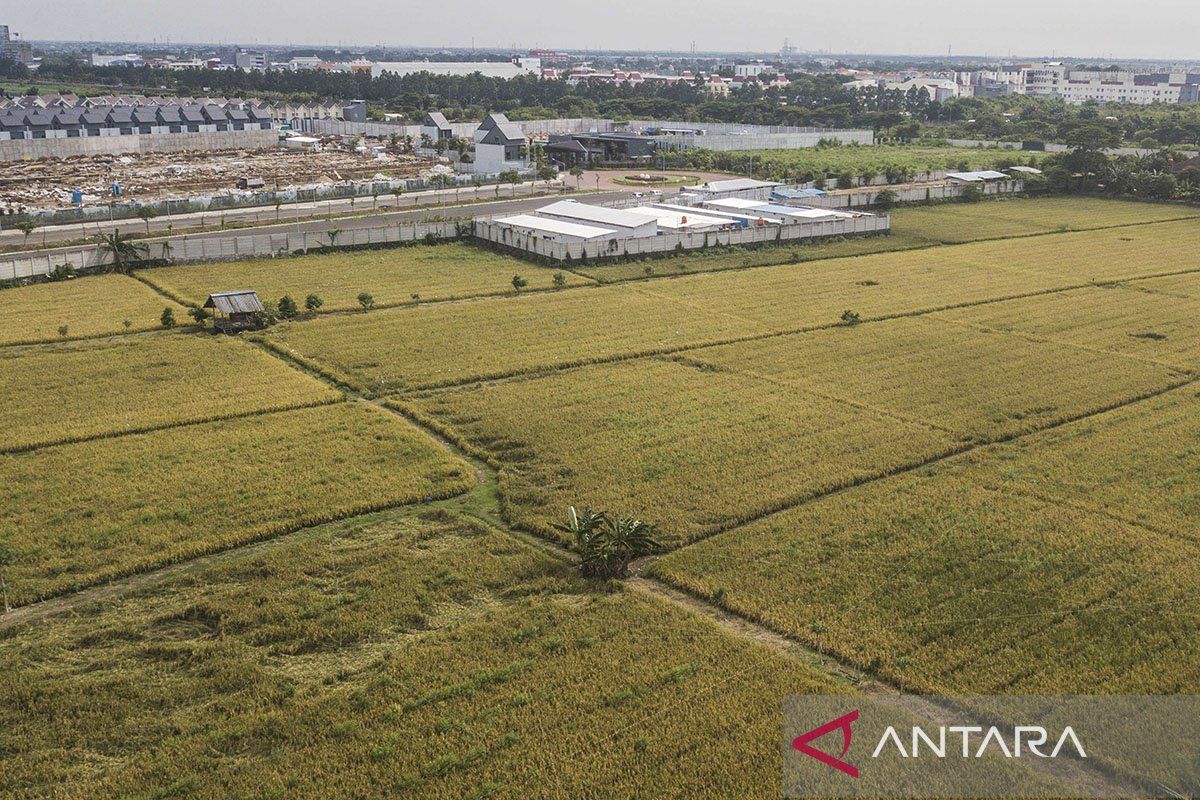
A great nation is not merely one capable of constructing skyscrapers and magnificent infrastructure. A great nation is one capable of safeguarding its own sources of life.
Jakarta (ANTARA) - Amidst various achievements worth celebrating within the national food sector, there is one critical issue that warrants collective reflection regarding the adequacy of planting space for future generations in Indonesia.
This question emerged during a recent discussion held by the elders of the Indonesian Farmers Association (HKTI) West Java in Bandung. What began as a light conversation evolved into a profound reflection on the future of Indonesia’s rice fields.
The primary concern raised was not solely about current rice production, but rather the long-term sustainability of agricultural land, which has long served as the foundation of national food security.
This anxiety feels increasingly relevant as the government strives to maintain the rice self-sufficiency milestones achieved in 2025. Various production enhancement programmes are ongoing, including plans to create new rice fields in Merauke, Papua, and Central Kalimantan.
However, a fundamental question arises: will opening new rice fields be sufficient if, simultaneously, existing productive fields continue to diminish?
In the history of Indonesia’s agricultural development, the concept of protecting rice fields is not a new one. During the drafting of Law Number 4 of 2009 concerning the Protection of Sustainable Food Agricultural Land, an interesting debate occurred regarding the regulation’s name.
Some parties proposed the term “Eternal Rice Field Law,” as they believed it more accurately captured the spirit of agricultural land protection. Ultimately, a more formal name was chosen, but the essence remains the same: ensuring the continuity of agricultural land to meet the food needs of the population.
The impetus for this law stems from an undeniable reality. In various regions, particularly in food production centres, the conversion of agricultural land is accelerating. Rice fields that once produced paddy are being transformed into residential areas, business hubs, industrial zones, and various infrastructure projects.