
ESDM: Middle East Conflict Becomes Momentum for Indonesia to Accelerate Energy Transition
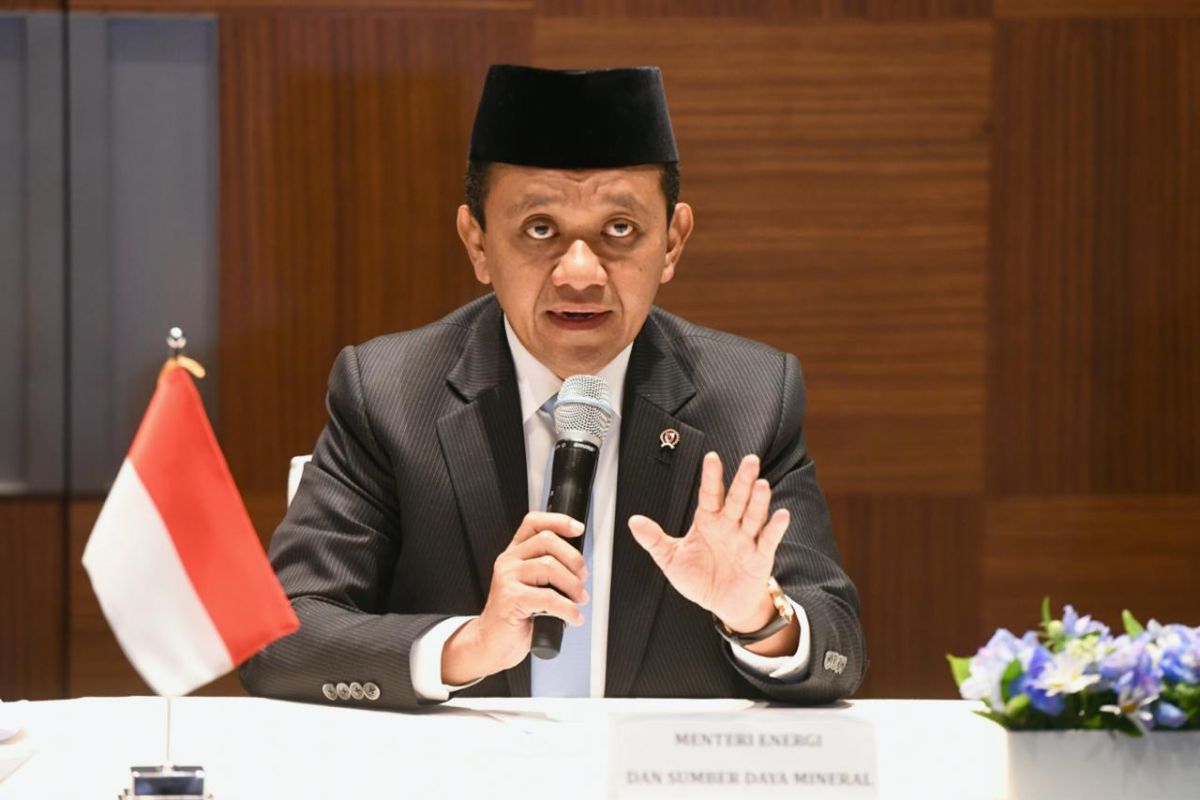
This is a very opportune time for us to consider alternative energy sources, and in Indonesia, the potential for alternative energy is enormous.
Jakarta (ANTARA) - The Ministry of Energy and Mineral Resources (ESDM) has revealed that the impact of the conflict in the Middle East, which disrupts the global oil distribution chain, serves as momentum for Indonesia to accelerate the energy transition towards Net Zero Emissions (NZE).
“This is a very opportune time for us to consider alternative energy sources, and in Indonesia, the potential for alternative energy is enormous. Currently, we are in the process of accelerating this, one of which is through the energy transition towards Net Zero Emissions, which is expected to maximise the available renewable energy potential in Indonesia, amounting to more than 3,000 Gigawatts (GW),” said the Secretary of the Directorate General of New, Renewable Energy, and Energy Conservation (Dirjen EBTKE) of the Ministry of ESDM, Haris, during the Denpasar Discussion Forum held virtually in Jakarta on Wednesday.
On that occasion, he explained that the government is continuously monitoring the escalation of the conflict in the Middle East between the US-Zionist Israel and Iran, which has triggered a surge in fuel prices in 85 countries.
This situation directly impacts global oil distribution, given that around 20 per cent of the world’s supply passes through the Strait of Hormuz, which is currently closed to several countries.
As a preventive and efficiency measure, the government has implemented a Work From Home (WFH) policy for Civil Servants (ASN), effective from Friday (10/4).
This policy is projected to save fuel compensation by Rp6.2 trillion and reduce the burden on public expenditure by up to Rp59 trillion.
In addition to WFH, efficiency measures are also being carried out within the internal government environment through a 50 per cent reduction in domestic travel budgets and 70 per cent for overseas travel. The private sector is also urged to start adopting flexible working cultures and energy conservation.
Meanwhile, the medium-term strategy focuses on implementing the B50 policy, scheduled to take effect on 1 July 2026. This 50 per cent biodiesel blend policy is expected to save 4 million kilolitres of diesel or equivalent to Rp48 trillion.
Currently, biodiesel road trials have covered more than 30,000 km with very positive performance results. The government is also promoting an increase in the ethanol portion (E10) for petrol, as well as the development of Sustainable Aviation Fuel (SAF).
Under the direction of Indonesian President Prabowo Subianto, the government is targeting 100 per cent capacity for new renewable energy (EBT) power plants within the next 10 years through the construction of solar, hydro, geothermal, and even nuclear infrastructure to become clean energy sources.
To steer this vision, an energy transition taskforce has been established, led by the Minister of ESDM. This taskforce carries three main focuses: accelerating the 100 GW Solar Power Plant (PLTS) programme within three years, speeding up the conversion of 140 million petrol motorcycles to electric vehicles, and massive development of the biofuel sector.
As of 2025, the national renewable energy mix stands at 15.75 per cent. The government is optimistic that the share of renewables in national energy provision can reach the target of 17-21 per cent this year through strengthened regulations and accelerated geothermal business area auctions.