
ESDM Lays Bare the Reasons Behind Trimming Coal and Nickel Production
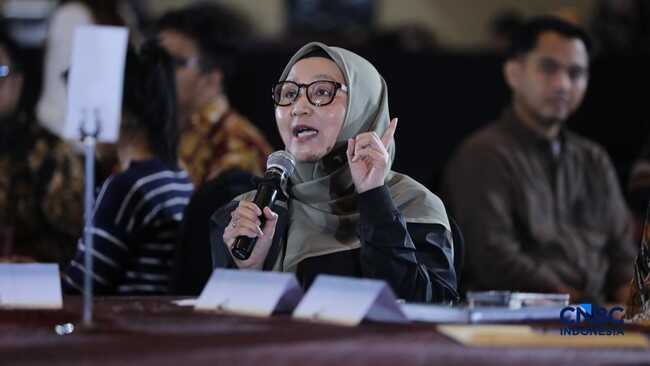
Jakarta — The Ministry of Energy and Mineral Resources (ESDM) has explained the rationale behind the policy to adjust coal and nickel production through the approval of the 2026 Work Plan and Budget (RKAB). Secretary of the Directorate General of Mineral and Coal (Sesditjen Minerba), Siti Sumilah Rita Susilawati, stressed that the policy is not a production ban but an adjustment measure planned a year previously. ‘Why then did the government implement this adjustment not suddenly? It has been a year already. This mine is state-owned; licences are proposed; the state has the right to evaluate with consideration. And it’s fine if you don’t disclose the details to the public,’ Rita said during the CNBC Indonesia Mining Forum, ‘Apa Kabar Industri Tambang RI?’ on Friday (6 March 2026). Susilawati disclosed at least three main reasons behind the production adjustment policy. First, the imbalance between global supply and demand for coal and nickel last year. This condition led to oversupply and downward pressure on prices. Second, to maintain market balance. She noted that although Indonesia supplies around 60% of global coal demand, the country cannot control prices. ‘What is clear is that when balancing production and demand, as a major global supplier we can influence prices,’ she said. The third reason relates to extending the life of mining reserves. Currently, Indonesia’s coal reserves are estimated to last around 39 years at the present production of about 800 million tonnes per year. For nickel reserves, they are considered far more limited. With production that could reach around 300 million tonnes per year, its longevity is estimated at only about 19-20 years. ‘The policy is made with all manner of risks. The government ensures business certainty. It’s not that it’s not heard, it’s kept for now. This is still an adjustment and there will be evaluations; RKAB revisions can be submitted in June–July,’ she said.