
Escalating Iran Conflict Could Bring Major Problems; What Can the Government Do?
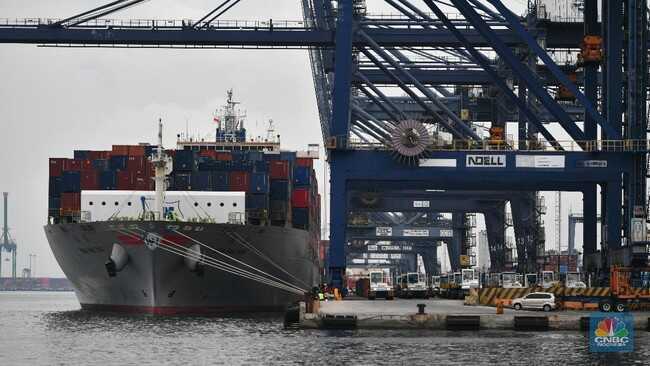
Jakarta — The Government is beginning to formulate anticipatory measures to address the potential continued impact of the United States-Israel conflict against Iran. The primary focus is not merely monitoring geopolitical developments, but ensuring domestic trade conditions remain robust should global pressures intensify.
Trade Minister Budi Santoso stated that his ministry is prioritising the strengthening of the domestic market as a core strategy. This approach is considered crucial to withstand external shocks, particularly if energy prices surge owing to conflict escalation.
He acknowledged that the risk of rising fuel prices represents a serious concern should tensions continue. “For instance, fuel costs will definitely increase, we’re certain of that if it really happens, but hopefully it won’t,” Budi said when met at his office in Jakarta on Monday (2 March 2026).
Budi stressed that in an uncertain global situation, domestic consumption and purchasing power must be protected. The domestic market is regarded as an important buffer when export markets face pressure. “The first strategy is that our domestic market must be safeguarded well, because if the foreign market is certainly affected, then everything will be impacted,” he said.
This means that when turbulence occurs in international markets, whether due to energy distribution disruptions or oil price surges, Indonesia still has support from domestic economic activity.
Beyond strengthening domestic consumption, the Trade Ministry is also preparing export market diversification. The Government will encourage shipments to countries relatively unaffected by conflict to maintain stable trade flows.
Export Costs Threatened to Rise
Should oil prices rise as anticipated, this would not only impact the energy sector but also cascade into logistics and production costs, ultimately increasing Indonesia’s export expenses. “Our exports will certainly see costs rise. This means we and other countries will all be affected. Countries needing raw materials will be affected, countries exporting finished goods will also be affected. So everything, everything will be impacted. But again, hopefully it won’t,” he explained.
According to Budi, such impacts are global in nature. Raw material importers will bear the increased costs, as will countries exporting finished goods. The international trade chain faces potential multi-layered pressure.
Nevertheless, the Government hopes the conflict does not escalate further. By strengthening the domestic market and expanding export destinations, the Trade Ministry is working to ensure national trade activity remains protected amidst the shadow of geopolitical uncertainty.