
Escalating Geopolitical Tensions in Middle East Prompt Indonesian Parliament to Accelerate National Energy Independence
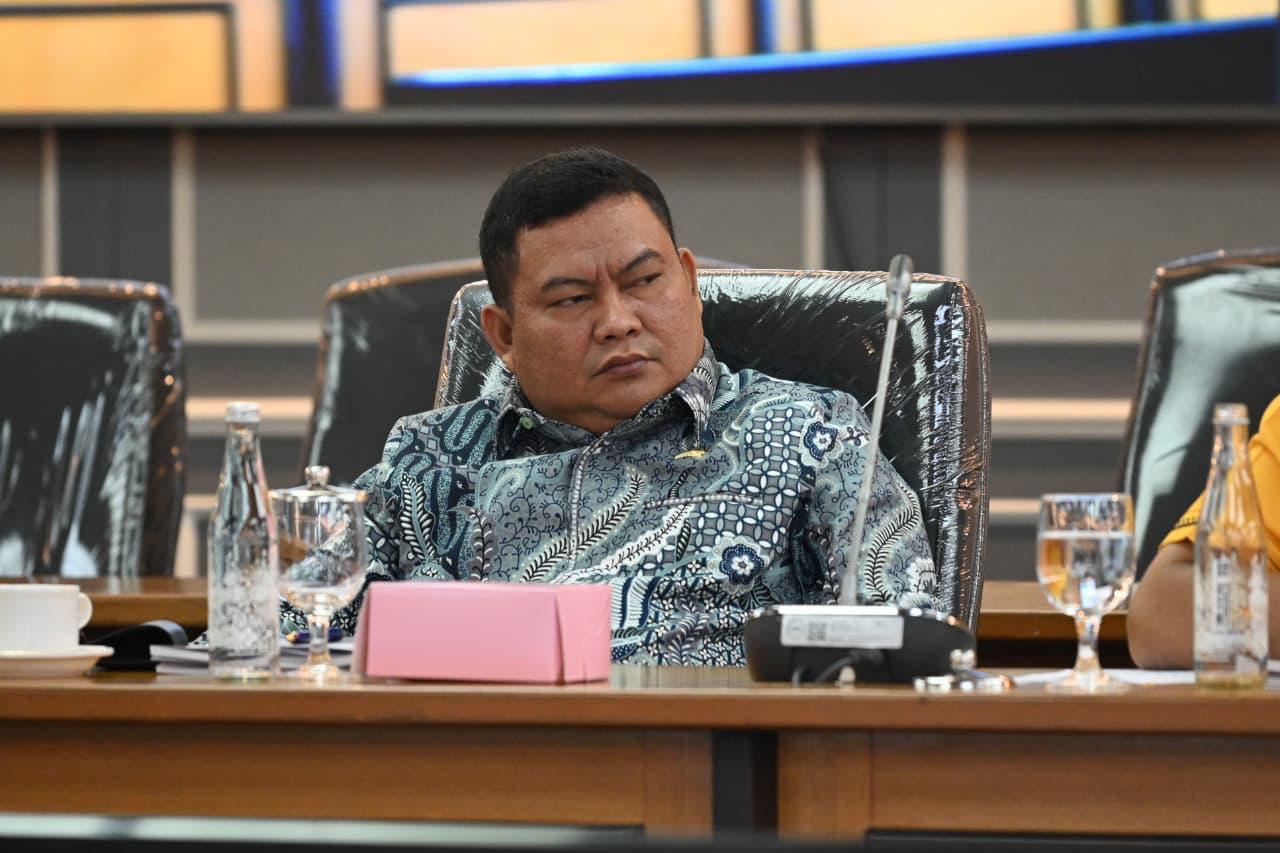
Indonesia’s escalating geopolitical tensions in the Middle East region must serve as a serious warning for Indonesia to urgently strengthen national energy independence. Commission XIII member of the Indonesian House of Representatives (DPR), Bias Layar, assessed that Indonesia’s dependence on crude oil and fuel imports from the Middle East—currently experiencing conflict—poses significant risks to national economic stability.
“Tensions around global energy routes, such as the Strait of Hormuz, which represents one of the world’s major oil distribution channels, could trigger sharp increases in energy prices. If global conflict widens further, world oil prices could potentially exceed US$100 per barrel,” he said in a press statement received on Monday, 9 March.
He explained that the government could implement a gradual price adjustment scheme to prevent the public from experiencing shock due to excessively high price hikes all at once.
“Rather than raising fuel prices all at once in large increments, price adjustments could be implemented gradually based on movements in global oil prices,” said Afaqa.
Under this scheme, price adjustments could be conducted periodically with relatively small values. If fiscal conditions permit, price increases of, for example, between Rp200 to Rp300 per litre could be implemented gradually.
Additionally, the government could also carry out recomposition of state spending to dampen pressure on the State Budget (APBN). One option that could be considered is reallocation of budgets from certain programmes, such as the Free Nutritious Meals scheme (MBG) and projects deemed non-priority.
“Pressure on the APBN can be reduced through spending reallocation and programme efficiency so that the impact is not directly borne by the public through fuel price increases,” he said.
Afaqa also believed the government could postpone non-priority projects, increase efficiency in ministry and institutional spending, and optimise state revenue from the commodities sector to strengthen fiscal space. These measures were considered important so that energy price adjustment policies do not trigger social unrest among the public. He cited examples from several regions, such as Aceh, where panic buying of fuel has already begun emerging amid concerns about price increases.
“Several alternative schemes, such as gradual adjustments, spending reallocation, and budget efficiency, could serve as options so that energy policies do not create shock effects for the public,” he concluded.