
Eradicating stigma to eliminate the neglected disease known as leprosy
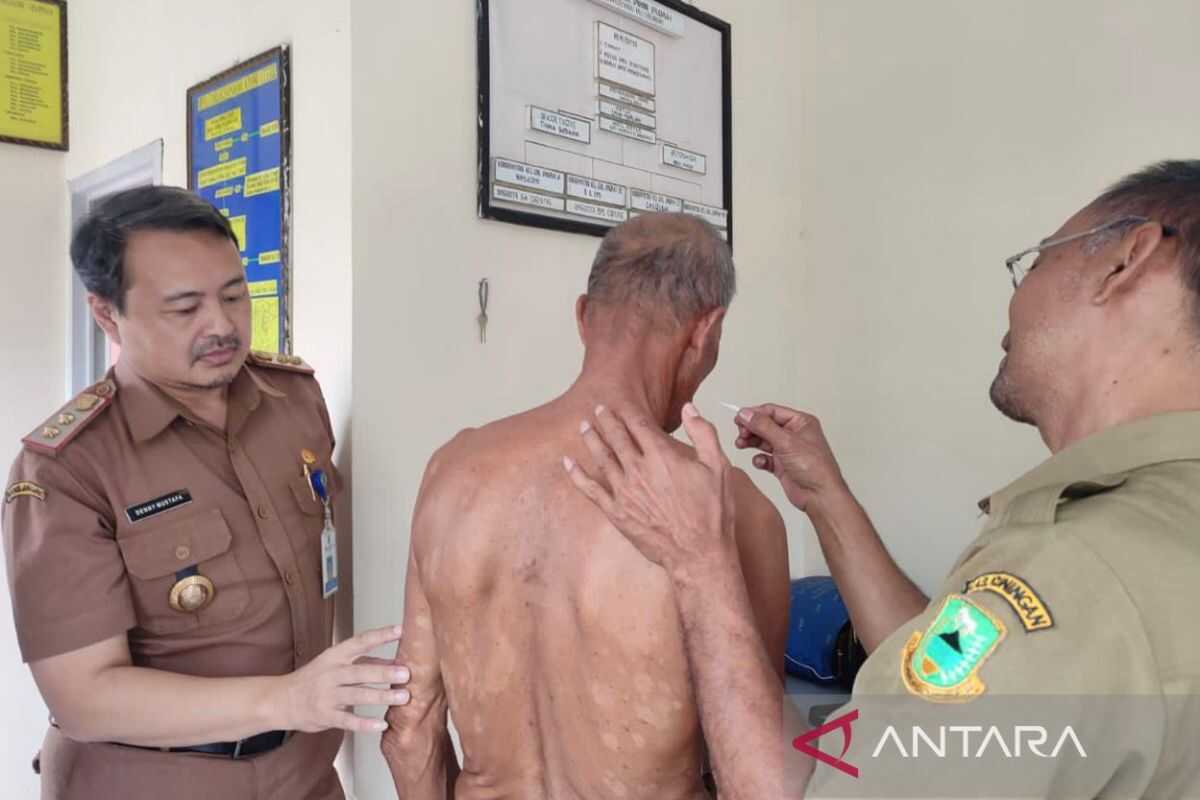
The treatment of leprosy these days may no longer be big news. But it is precisely in the quiet that consistency is tested.
Cirebon (ANTARA) - A plate of rice once marked an invisible boundary at Rusdin’s home. Since leprosy was diagnosed to be in his body, he no longer ate with his family. His plate and glass were separated.
The man from Cirebon Regency, West Java, was still a teenager at the time and did not fully understand what was happening, except that those around him began to keep their distance.
The symptoms had already appeared when he was in primary school. White patches appeared on his back.
One day, health workers came to the school to provide education about leprosy. The explanations about the disease’s symptoms felt very close to what he had been experiencing.
Afraid of being found out and shunned, the young Rusdin chose to flee when the examination was about to be conducted. He claimed he wanted to go to the bathroom.
“At that time I did run away briefly, because there was a leprosy examination at school,” he recalled in a conversation with ANTARA, on Tuesday.
While studying at Sekolah Menengah Pertama (SMP, junior high school), his condition worsened. His skin darkened and his body often felt hot.
This condition forced him to have himself checked at a puskesmas (community health clinic). The results confirmed that he had leprosy.
“After being examined at the puskesmas, I was found to have leprosy,” he said.
He underwent treatment for a full year. The medicines left him weak and made it difficult to move his legs. He even stopped attending school.
Because treatment was delayed, several of his limbs began to change, noticeable in his fingers and his right foot. That condition has left him disabled.
When he returned to school, he walked with the support of the walls. Physical education classes he could no longer take part in.
But for other subjects, he persisted and remained among the top ten until he finished junior high.
The stigma did not heal with the completion of treatment. In junior high he was shunned. In senior high, the rejection escalated into open protests to have him expelled from school.
At home, the distance persisted. From the late 1990s to roughly the following decade, Rusdin spent more time withdrawing. He lost his self-esteem. Depression had briefly driven him to give up on life.