
Epidemiologist: Boost Vaccination Coverage to Control Measles
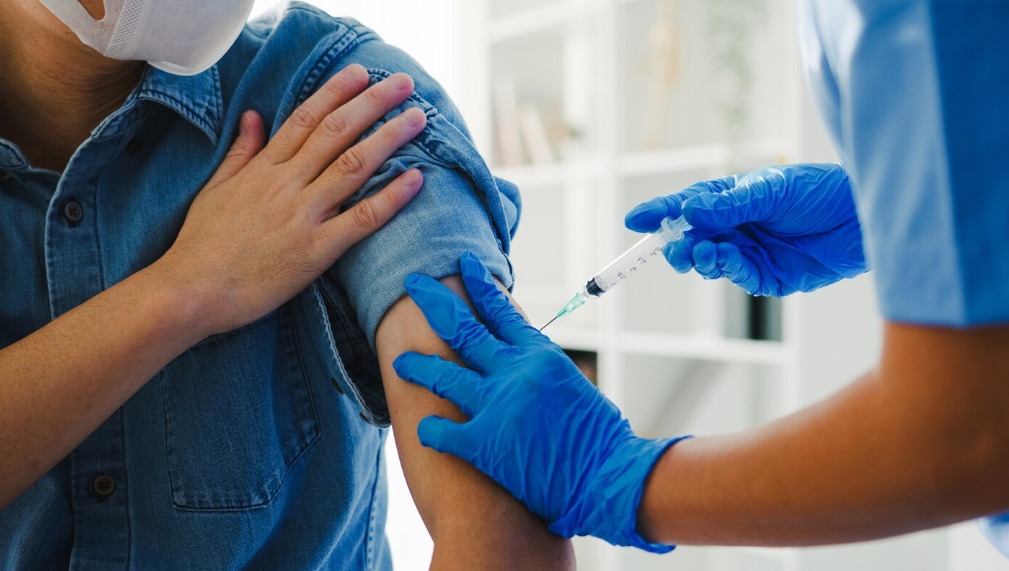
Epidemiology experts emphasise the importance of strengthening vaccination coverage as the primary strategy to control the spread of measles in Indonesia. Increasing coverage of basic and follow-up immunisation is deemed urgent to create herd immunity capable of breaking the chain of transmission. This step is crucial given that measles is a highly contagious disease with the potential to trigger Extraordinary Events (KLB) if immunity gaps exist in the community. Epidemiologists warn that even a small decline in vaccination coverage can significantly impact the emergence of new case clusters. “Control efforts cannot be limited to times of case surges but must be through consistent and equitable routine immunisation strengthening across all regions,” stated Ismen Mukhtar, Chairman of the Indonesian Epidemiology Experts Association (PAEI) Lampung, in his remarks on public health strategies. In addition to pursuing quantitative targets, the quality of vaccine distribution and education for parents are also determining factors. Challenges such as disinformation about vaccination remain an obstacle in some areas, necessitating a persuasive approach from grassroots-level health workers. To date, data on regions with the lowest vaccination coverage is being validated by relevant parties to determine intervention priorities. Local governments are expected to promptly remap toddlers who have not received complete doses to minimise the risk of fatalities due to measles complications. The Ministry of Health states that there are 102 districts/cities implementing measles interventions through Outbreak Response Immunisation (ORI). Entering the 12th week of this year, 804 indicative measles cases have been recorded, with 4 of them being suspects. The East Java Provincial Government is optimising measles catch-up immunisation coverage (Catch Up Campaign/CUC) as a preventive measure against transmission. IPB University lecturer from the Faculty of Public Health, dr Aisyah Amanda Hanif, describes the surge in measles cases as a signal of declining herd immunity. Misleading narratives on social media are one of the main triggers for parents’ reluctance to vaccinate their children. Vaccinologist and internist, as well as Chief Medical Advisor of Imuni, dr. Dirga Sakti Rambe, states that vaccines are not exclusively for children. Member of Commission IX of the Indonesian House of Representatives, Vita Ervina, urges an increase in the immunisation budget following the rise in measles KLB at the start of 2026. The recovery rate from measles heavily depends on the patient’s immune condition. Doctors remind that measles can trigger serious complications in vulnerable groups, including pregnant women and those with weakened immunity, with vaccination being the primary prevention.