
Environment Minister urges Bali Provincial Government to implement minor criminal offences for waste violators
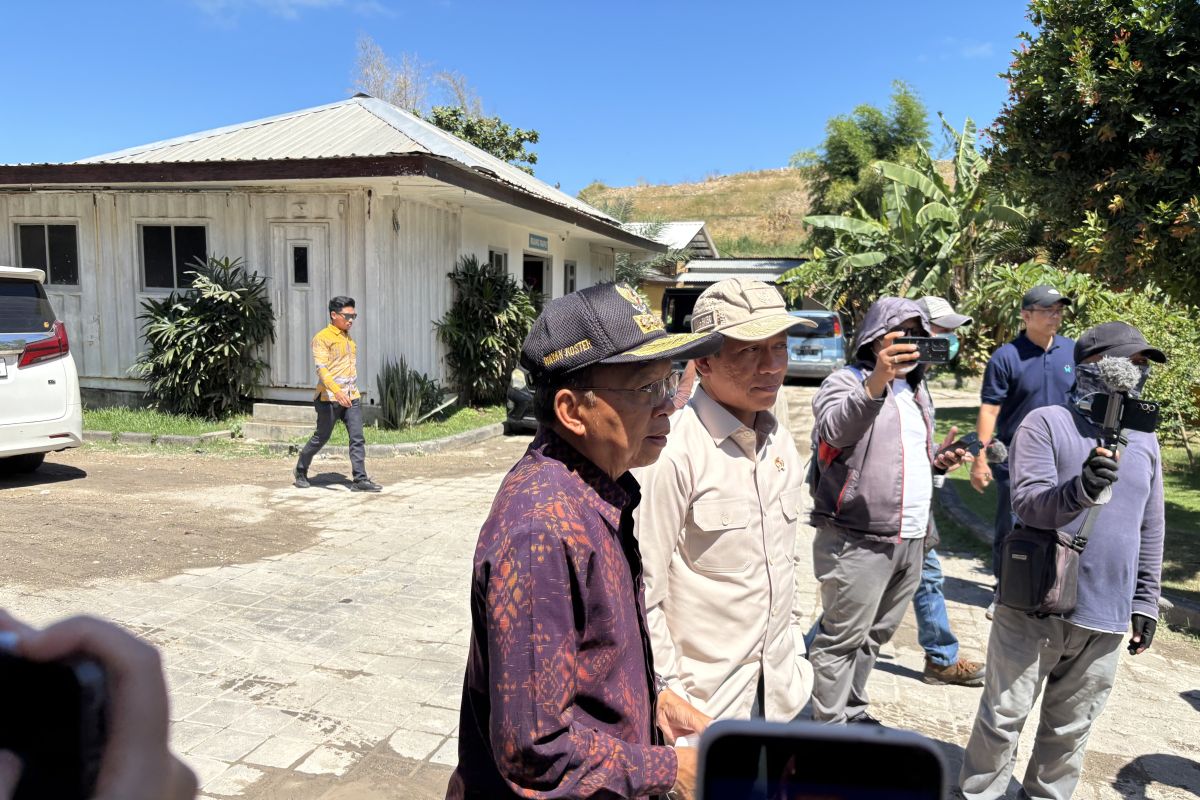
Denpasar (ANTARA) - Environment Minister Hanif Faisol Nurofiq has urged the Bali Provincial Government to implement minor criminal offences (tipiring) against members of the public who commit waste violations. “The Bali government is obliged to enforce regional regulations on the imposition of tipiring for waste violations,” Hanif said after inspecting the Kertalangu Waste Processing Site (TPST) in Denpasar on Friday. The Environment Minister believes this measure is necessary, as it is unfair to those who already sort their waste while violators receive no reprimands. “It is unfair if those who sort properly are not protected by issuing warnings and sanctions to those who do not sort, whether they burn waste, dispose of it indiscriminately; whoever they are, they must be subject to tipiring,” he stated. After directly observing the conditions at TPST Kertalangu in Denpasar, Minister Hanif found data showing that 65% of the population in Denpasar and Badung already sorts waste. Therefore, to maintain public enthusiasm and a sense of justice for all who have strived to manage waste, the implementation of tipiring is needed. “Look at other cities; none have transformed their culture as massively as Bali. Since our arrival in December 2024, we have gone through 2025 with much dynamism, and on 1 April we have reduced a lot of waste buried at the Suwung landfill,” he said. “This is not an easy step; it is a long one, but Bali has managed it. We thank all the people of Bali; amid provocations and so on, the people of Bali have not been influenced,” the Environment Minister added. In addition to requesting the enforcement of tipiring for waste violations, Minister Hanif also reminded that waste sorting is important to support the implementation of waste-to-electricity energy processing (PSEL). He further reminded that, based on Law No. 18 of 2008 on Waste Management, everyone must handle their own waste. Under Article 9, Regents/Mayors are required to coordinate implementation with all their capabilities and authorities. The Governor is obliged to conduct supervision, while the Environment Minister sets instruments, targets, and norms that must be agreed upon. Therefore, law enforcement in waste management must be carried out comprehensively to build national culture. “The progress of this nation is not symbolised by tall buildings, but by how we manage waste. Once waste is properly processed, houses do not need to be multi-storey; once it becomes clean, that is the true culture of an advanced country,” he said.