
Environment Minister supports waste-to-energy facility development in Bandung
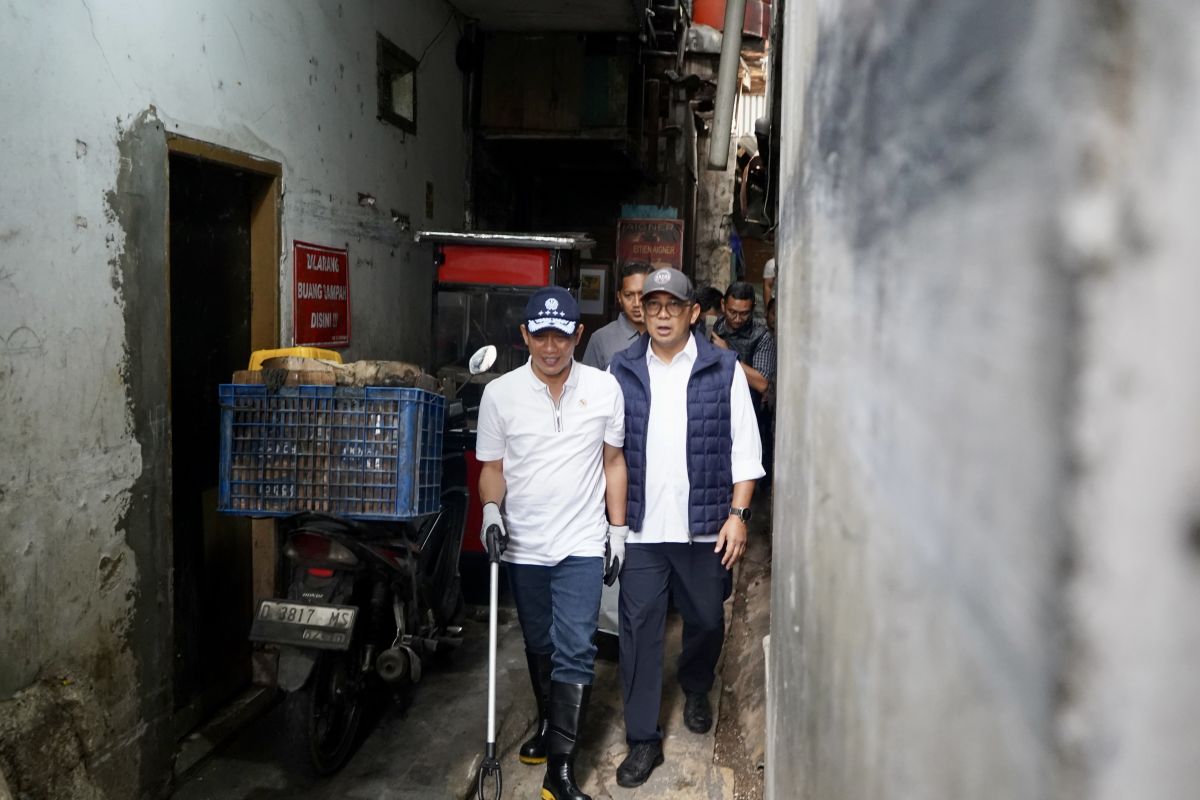
JAKARTA — Environment Minister Hanif Faisol Nurofiq has fully endorsed the development of a waste-to-energy facility (PSEL) in Bandung, West Java, as a means to reduce the volume of waste ending up in final processing sites (TPA).
“I fully support the PSEL specifically for Bandung City because the situation is already dramatic and it is indeed the most logical and quickest approach to managing waste whilst we work to build a culture of environmental awareness,” said the Minister during a visit to Bandung on Saturday.
Building a culture of waste segregation awareness and reduction among residents requires considerable time, taking many years for such practices to become habitual. Meanwhile, Bandung City alone generates approximately 1,500 tonnes of waste daily, the majority of which would end up in final disposal sites without proper management.
The facility in Bandung is necessary also because of the considerable distance from the city to the Legok Nangka Waste Management and Final Processing Site (TPPAS), which is targeted to become operational in 2028 and generate 40 megawatts of electricity.
“This presents its own challenge during waste transportation, so I believe Bandung’s initiative is commendable, with the caveat that such large-scale investment requires careful deliberation, as we must subsequently be accountable for the funds allocated to waste-to-energy projects,” said Hanif.
The Ministry of Environment plays a key role in the pre-development phase of PSEL, including verifying whether various conditions are met, such as whether the region generates sufficient waste volumes to sustain the facility.
Earlier, Fadli Rahman, Director of Investments at PT Danantara Investment Management, announced that the winning company for the first phase waste-to-energy project tender would soon be announced across four cities: Denpasar, Bekasi, Bogor, and Yogyakarta.
“Twenty-four international companies from China, France, and Japan have participated in the selection and tender process for the waste-to-energy project. These comprise 20 companies from China, three from Japan, and one from France,” he said on Thursday (26 February).