
Environment Minister: Open Dumping Waste Practices Drop from 99% to 69%
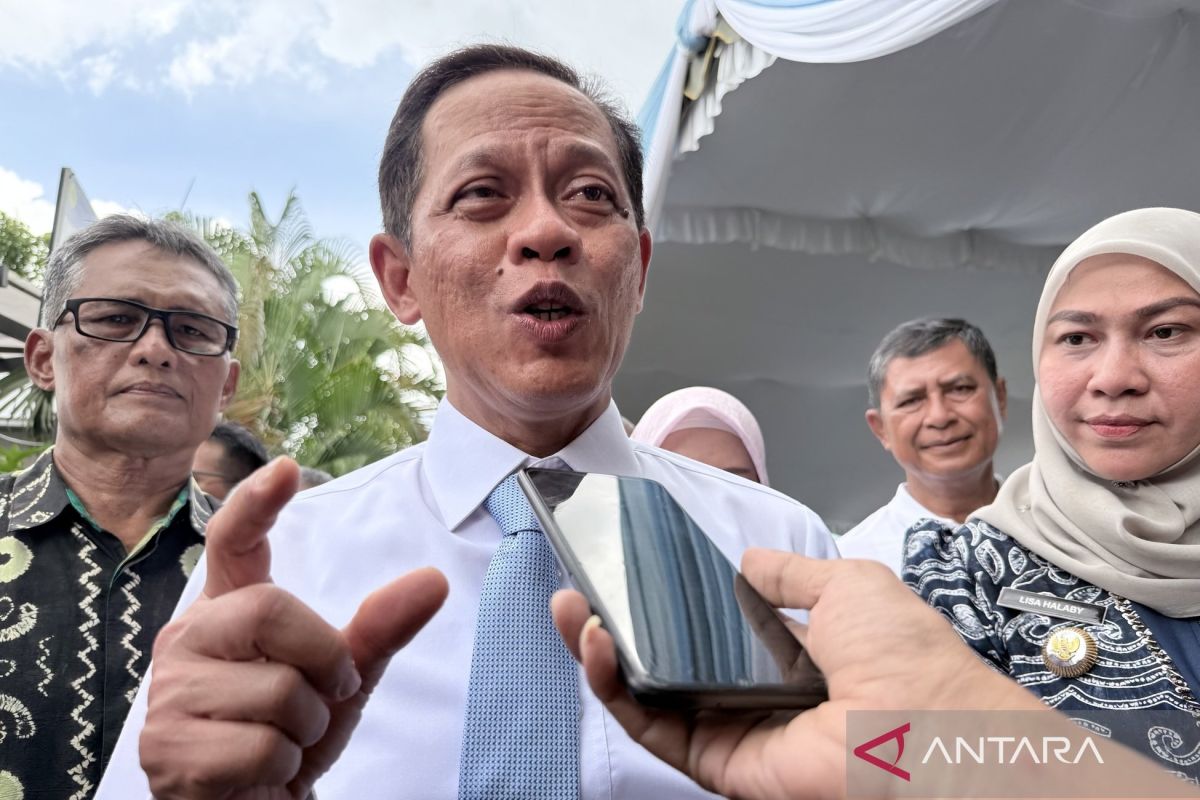
Environment Minister Hanif Faisol Nurofiq stated that the practice of “open dumping” or open waste disposal in Indonesia has been successfully reduced from 99% in 2025 to 69% in early 2026.
Hanif conveyed that further efforts are needed to accelerate the reduction to meet the national target of 63.4%, which forms part of the national strategy through Presidential Regulation No. 12 of 2025 on the RPJMN.
“The elimination of this practice at all Final Disposal Sites (TPA), including in major cities, for public safety and the environment,” he said during a working visit to Banjarbaru, South Kalimantan, on Thursday.
He recalled the tragic incident at the Bantargebang TPA, which killed seven workers due to a rubbish landslide several months ago, as real evidence of the risks of open dumping.
“That incident serves as a bitter lesson that such practices not only violate the law but directly threaten human safety,” he stated.
Hanif emphasised that the government will not tolerate open dumping practices by either local governments or private entities. Based on Law No. 18 of 2008 on Waste Management, violators will be dealt with firmly.
“All legal instruments are ready to be enforced to end the practice of open dumping,” he added.
Since the 2008 Law, he revealed that the target for eliminating open dumping should have been achieved five years later, but reality in 2025 showed it still reached 99%.
According to him, the drop to 69% in early 2026 indicates initial success, though significant challenges remain to reach the national target.
In addition to law enforcement, the Ministry of Environment and Forestry (KLH) is promoting waste management innovations through the integration of modern technology and active community participation, education programmes, socialisation, and incentives for environmentally friendly waste management practices to accelerate the closure of the gap to the national target.
He stressed that the success of eliminating open dumping is not just about numbers, but a reflection of the national commitment to public safety, the environment, and sustainability.
“Every region must move quickly and take responsibility to meet the established targets,” said Hanif.
He also emphasised intensive coordination, consistent law enforcement, and community involvement as key to resolving the remaining 69% of open dumping by the end of 2026, with the hope of not only closing high-risk practices but also building a modern and safe waste management system for all citizens.
KLH is optimistic about significantly completing the elimination of open dumping, approaching or even exceeding the national target, while reaffirming the government’s commitment to realising sustainable, safe, and environmentally friendly waste management.