
Environment Minister Highlights 120 Districts/Cities in "Very Dirty City" Category
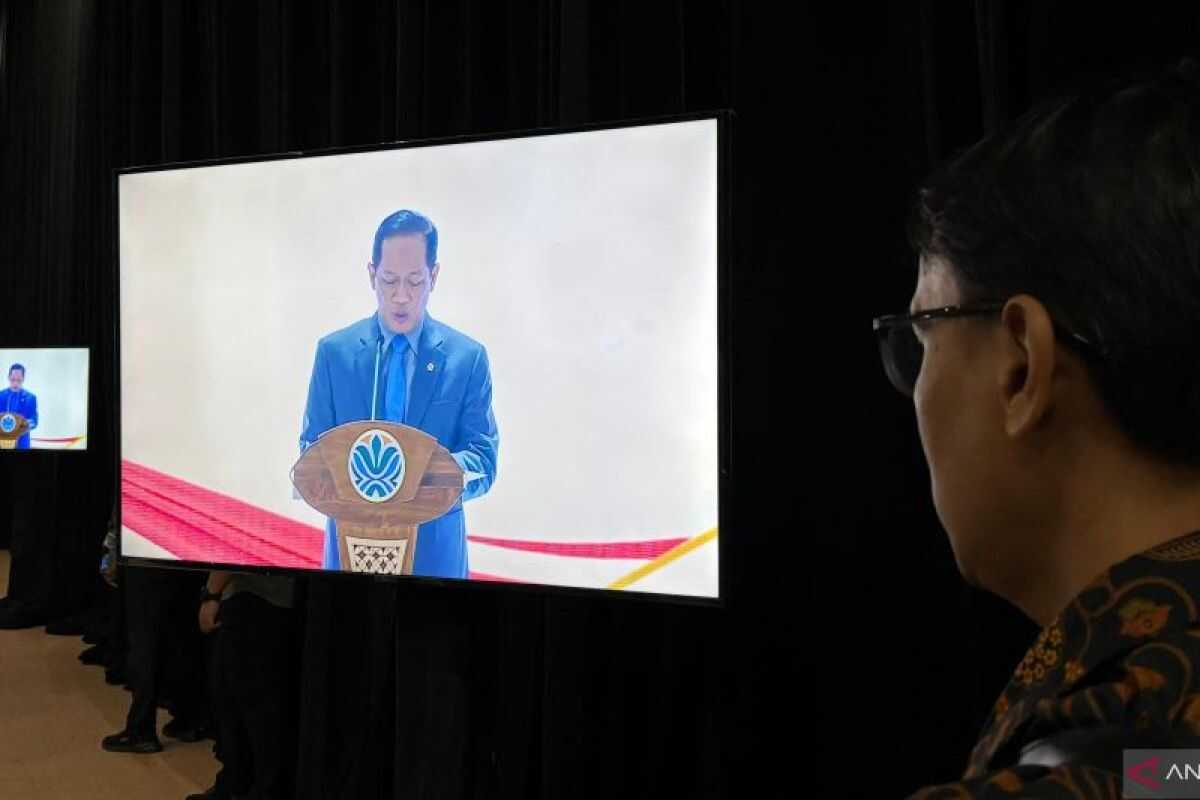
Jakarta – Indonesia’s Environment Minister Hanif Faisol Nurofiq has stated that no district or city has received the Adipura award this year, with over 120 areas falling into the “Very Dirty City” category and a further 253 classified as “Dirty Cities”.
Speaking after the National Waste Management Coordination Meeting 2026 in Jakarta on Wednesday, he noted that only 35 districts and cities have obtained the “Moving Towards Clean City” Certificate, with none yet achieving Adipura or Adipura Kencana status.
“In general, over 120 are still in Very Dirty City status—cities that have genuinely failed to allocate budgets, costs and attention to waste management,” he said.
Additionally, he highlighted that 253 districts and cities fall within the Dirty City category, based on assessments conducted by the Ministry of Environment and Regional Environmental Management Agencies (KLH/BPLH).
“So almost all of our districts and cities are still working to end and eliminate imperfect waste management practices,” he remarked.
Regions under observation have been instructed to take immediate corrective measures, as they continue to operate landfills using open dumping systems or manage less than 25 per cent of their waste properly.
According to KLH/BPLH data at the end of 2025, managed waste in Indonesia has only reached 25 per cent, or 36,684 tonnes per day, whilst the remaining 75 per cent—approximately 105,483 tonnes daily—remains poorly managed.
The government has set a target of achieving 100 per cent waste management coverage as outlined in the National Medium-Term Development Plan (RPJMN) 2025-2029.
To this end, President Prabowo Subianto has launched the Indonesia ASRI (Safe, Healthy, Clean, Beautiful) National Movement to address the country’s waste crisis.