
Environment Minister: Bali's Waste Must Not Tarnish Indonesia's Tourism
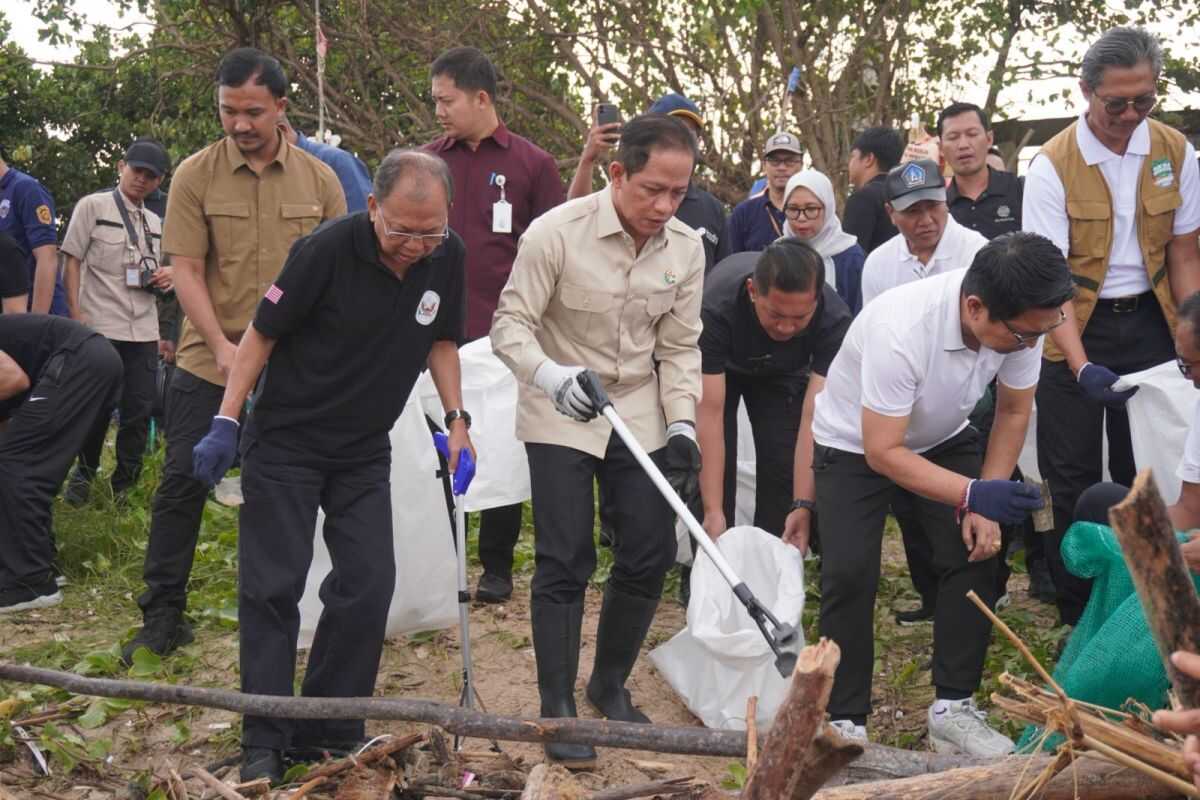
Jakarta — Environment Minister Hanif Faisol Nurofiq reminded that Bali’s central role in transforming waste management is not only about protecting the environment but also about safeguarding Indonesia’s tourism image. In confirming his statements from Jakarta on Friday, he said that the cleanliness of Bali’s coastlines is not only an environmental issue but also relates to Indonesia’s image worldwide. “Bali is Indonesia’s showcase, and its beaches reflect the nation’s face. When beaches are clean, Indonesia is respected as a country that cares for the environment. But if polluted, our reputation is also tarnished,” he said. He said this after taking part in a beach-cleaning action in Jimbaran, Badung Regency on Bali, on Thursday (5 March). As an international tourist destination, he said, Bali faces a waste emergency that requires serious attention. Thus, the target of 63.41 percent waste management by 2026 must be realised promptly with tangible steps in strategic areas such as Bali. “Bali must accelerate household waste sorting, which can be achieved through composting, modern tebu, expanding the network of waste banks, and ensuring that tourist areas, hotels, restaurants, and cafes have disciplined sorting systems to prevent waste from burdening landfills and polluting the environment,” he said. In addition to the beach-cleaning action, he also visited several source-based waste management sites in Bali. He inspected the Integrated Waste Processing Site (TPST) Tahura 1 Denpasar, in Kesiman Petilan Village in Denpasar, Bongkasa Pertiwi Village in Badung, and the Reduce, Reuse, Recycle (TPS 3R) Pudak Mesari in Darmasaba, Badung. At these locations, Minister Hanif witnessed first-hand waste sorting being carried out at the household and community level. He praised Bali for showing some progress, while warning that significant challenges in waste management remain and that the resolution must be accelerated.