
Environment Minister Admits Marine Waste Management is Costly
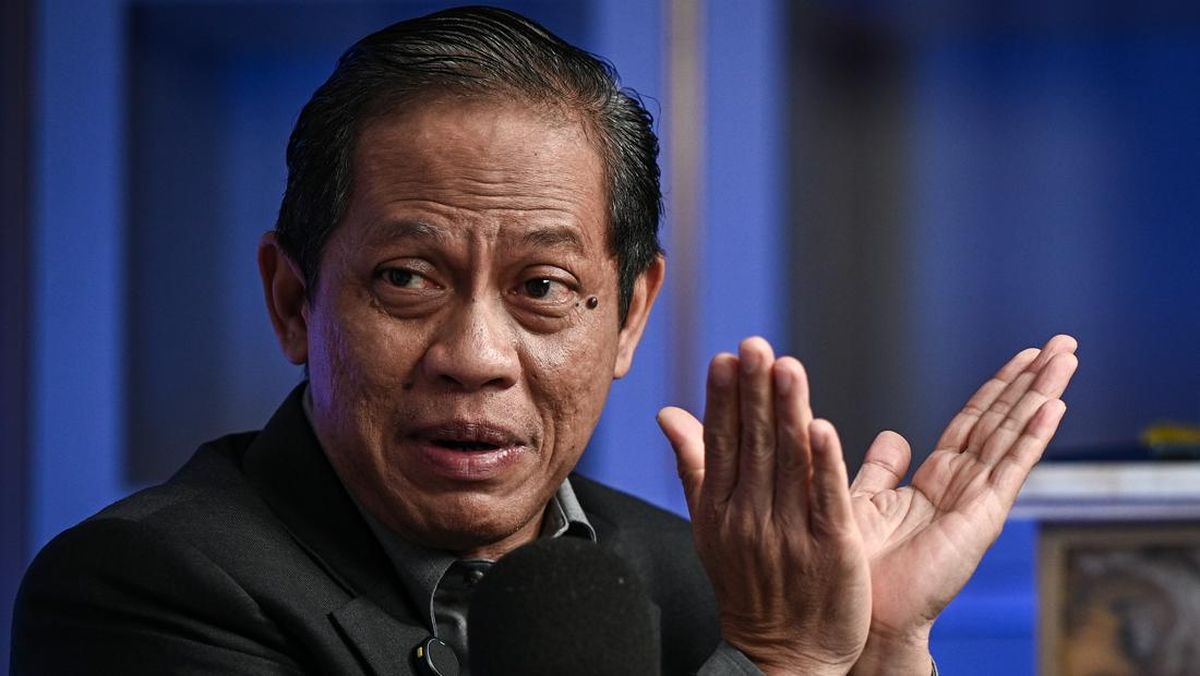
Indonesia’s Environment Minister (LH) RI, Hanif Faisol Nurofiq, has acknowledged that managing marine waste can be very costly. This is because marine waste is difficult to handle, particularly in Indonesia’s vast seas and numerous islands.
“If the waste is already in the sea, the matter becomes expensive and chaotic. It can’t be done in an incinerator, nor in other ways, because of the salt content that causes dioxin furan, which has high potential to emerge when burned,” Hanif stated in Makassar on Sunday (5/4), as reported by Antara.
Hanif explained that the increase in marine waste is a result of suboptimal waste processing on land.
He said that at the national level, only around 25% of waste is processed. Meanwhile, waste reaching final disposal sites (TPA) amounts to 60%.
Thus, 40% of waste is still discarded on land. This waste then flows into the sea through river estuaries.
“The President has instructed that land-based waste be resolved by 2029. Meanwhile, the current national waste processing achievement is only 25%. So, there is still 75% that we must pursue in the last three years,” Hanif said.
Hanif continued that his ministry will focus first on land, before addressing marine waste.
He also admitted that the issue of waste in the seas and islands is a task for the ministry that has not yet been fully resolved. However, this problem will become a joint homework for the government, from central to local levels.
“Marine waste cannot be burdened solely on governors or regents/mayors. So, we will take the most crucial handling steps, for example in Bali,” Hanif said.
Regarding waste in Bali, Hanif said that the ministry has already handled it together with several agencies. The TNI and Police have been deployed to manage waste in Bali’s seas every September to February.
In addition, the government through the Ministry of Environment is preparing and coordinating synergies for marine waste management.
“We actually already have a national team for marine waste management. But, given the vastness of our seas, serious support from governors is indeed needed,” Hanif said.