
Entrepreneurs Concerned Over Weakening Rupiah: We Import Heavily
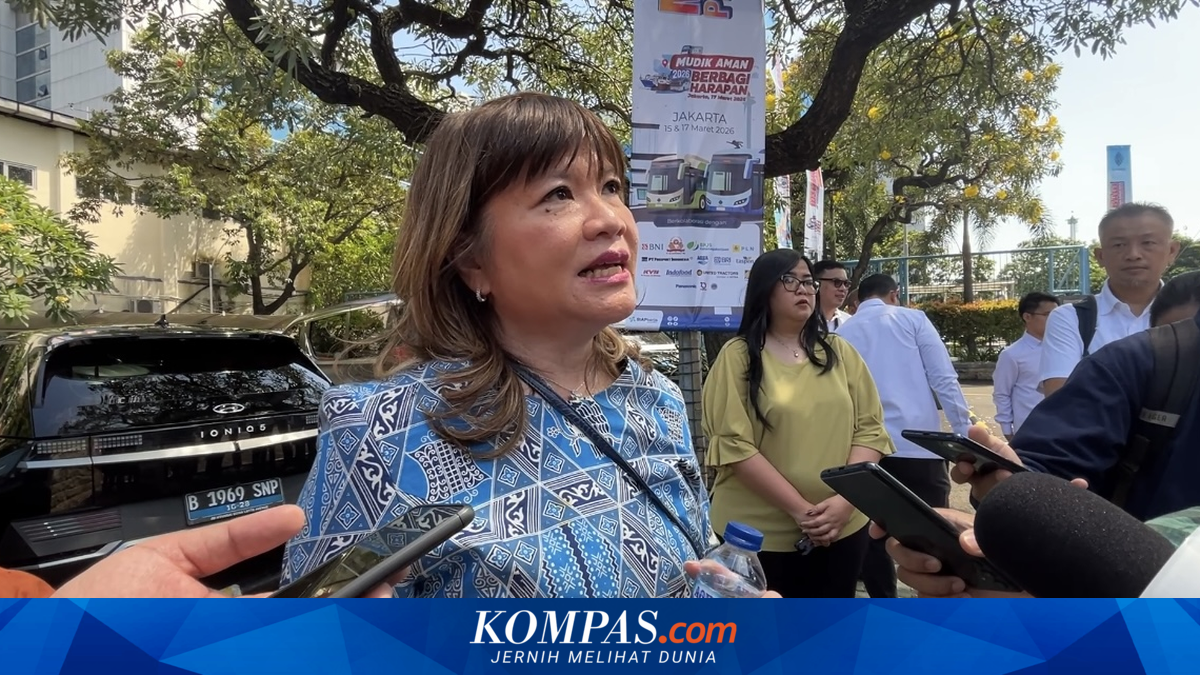
JAKARTA – The Indonesian Employers’ Association (Apindo) is concerned about the continued weakening of the rupiah, which could impact business operations.
Apindo Chairman Shinta Kamdani stated that fluctuations in the rupiah’s exchange rate against the US dollar significantly affect domestic industries.
“Because we import many goods. So this certainly has a major impact when the rupiah continues to weaken,” said Shinta when met at the Ministry of Manpower on Tuesday (17 March 2026).
For this reason, Shinta called for the rupiah exchange rate to be a priority for all stakeholders.
“That’s why we always say that the cost implications for businesses will be very significant for the future,” said Shinta.
Beyond exchange rate volatility, the domestic business sector is significantly impacted by the Israel-US conflict against Iran. Shinta said the war has driven up global crude oil prices, raising fuel costs.
“It has a significant impact. First, obviously on costs – the cost structure is definitely affected, because it’s not just the fuel price increase but also logistics,” said Shinta.
The conflict, which has closed the Strait of Hormuz, has disrupted international trade routes, affecting logistics distribution. Businesses continuing to operate during the conflict must bear increased logistics costs.
“This also disrupts international trade,” Shinta noted.
According to Shinta, whether political turmoil will pressure the production sector depends on how long the conflict lasts. For this reason, all parties must anticipate the conflict’s potential spillover effects on the trade sector.
The government’s policy of seeking imported raw materials from countries outside the Gulf region is, according to her, sufficiently helpful for entrepreneurs.