
Entertainment Entrepreneurs Seek Involvement in the Technical Rules of Jakarta's Smoke-Free Zone By-law
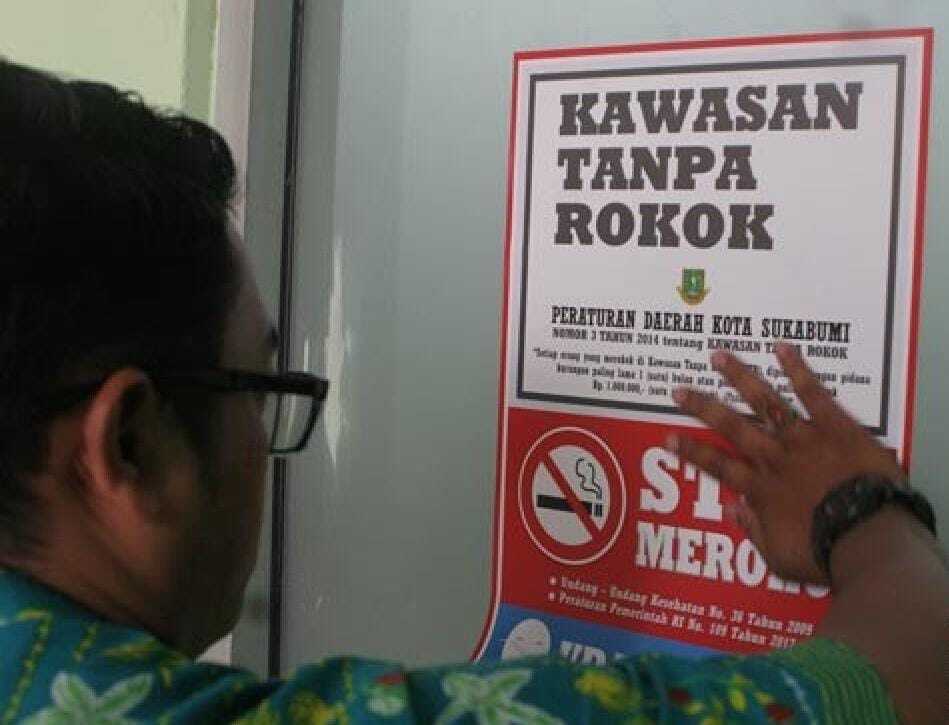
Entertainment industry association Asphija (Asosiasi Pengusaha Hiburan Jakarta) has called for involvement in drafting the technical regulations of the Regional Regulation No 7 of 2025 on the Smoke-Free Zone (KTR). The aim is to ensure the policy remains fair and does not harm the nightlife industry. This follows the implementation of Perda No 7/2025 on KTR.
Asphija’s Chairman, Kukuh Prabowo, said the principles of restriction and regulation in the KTR Perda can still run alongside the operations of cafes, bars, live music venues, and nightclubs. ‘Total bans on smoking or the application of KTR in nightlife venues would be inappropriate, given that customers accessing nightlife are certainly aged 21 years and over,’ he said in Jakarta on Wednesday (4/3). ‘We hope that before the technical rules of DKI Jakarta’s KTR Perda are issued, we will still be included in discussions so that the rules remain fair and accommodate shared interests,’ he added.
Asphija views the KTR implementation should focus on socialisation and education, not on punitive sanctions. Moreover, the nightlife sector is under considerable economic pressure.
Since January 2024, the Jakarta Provincial Government (Pemprov DKI Jakarta) has formally implemented Perda No 1/2024 increasing the Tax on Goods and Services Not Elsewhere Classified (PBJT) for discos, karaoke, nightclubs, and bars from 25% to a range from 40% to 75% maximum. The impact has been a 30-40% drop in visits and a similar fall in turnover, according to industry players.
‘Our entertainment sector is actually not less competitive than Bangkok or Kuala Lumpur. Do not add more restrictions that press it further. It should be limited, not completely banned. Especially in the current consumer purchasing power environment, people will seek cheaper entertainment,’ Kukuh noted.
On the other hand, the entertainment sector’s contribution to regional revenue is not small. By July 2025, the Jakarta Provincial Government’s entertainment sector tax realisation reached Rp343.4 billion. Data from the Ministry of Tourism of Indonesia shows that in Quarter II 2025, the entertainment and recreation services sector recorded the highest growth of 11.31%, driven by increased travel by domestic and international tourists.
Kukuh hopes that through collaboration between the government, industry players, and the public, KTR regulations can operate without killing the heartbeat of the entertainment industry. ‘Our hope is that with regulations that are more responsive and adjustments to certain rules, our entertainment industry can compete with neighbouring countries,’ he said. (E-4)
Perda No 7/2025 on KTR in DKI Jakarta is seen as a middle ground between health interests and economic viability.
The implementation of Perda No 7/2025 is seen as potentially narrowing the space for citizens’ economy.
The KTR Perda is claimed to be on a middle ground between health and economic viability.