
Engagement in Arts and Culture Linked to Slower Biological Ageing
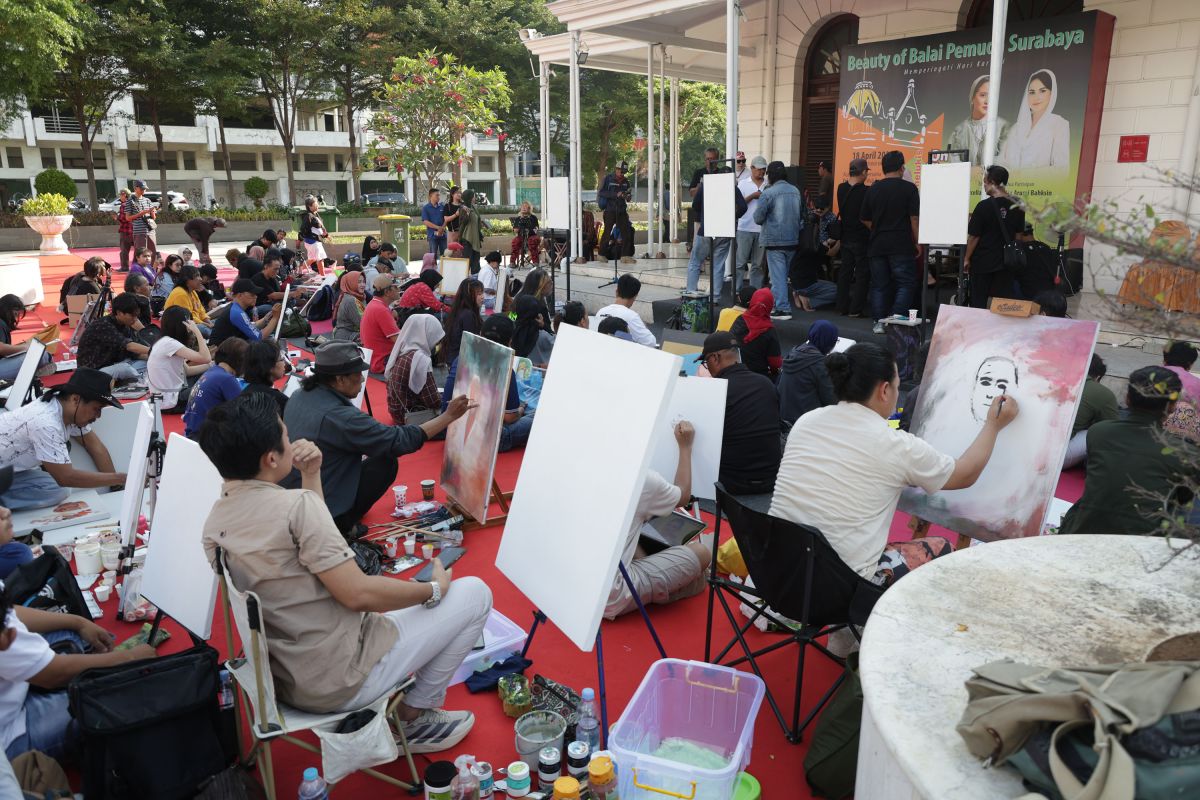
Jakarta (ANTARA) - Engaging in arts and culture has been linked to the potential to slow down biological ageing, according to a new study published in the journal Innovation in Aging.
As reported by Health on Friday (15 May), the study revealed that engagement in arts and culture, such as reading, listening to music, or visiting museums, is associated with slower biological ageing.
The senior researcher at University College London and lead author of the study, Feifei Bu, PhD, said that involvement in arts and culture is known to support health. Biological age measures how well the body ages at a cellular level and can provide a clearer picture of health compared to chronological age.
The researchers then compared these responses with the participants’ biological age, measured using an “epigenetic clock”, a research tool that estimates biological age based on changes in DNA.
Arts and culture engagement was associated with slower biological ageing. One epigenetic clock showed that participants who engaged in these activities at least three times a year experienced a 2 per cent slower rate of ageing compared to those who did so only once or twice a year.
The relationship remained significant even after accounting for factors such as body mass index (BMI), smoking status, education level, and income.
The study also suggests that engagement in arts and culture may be as beneficial as exercise in slowing down biological ageing.
According to the study’s authors, the main way that arts and culture slow down biological ageing is by reducing stress.
Arts and culture provide social connection, mindfulness, and a space to process life experiences, all of which can help reduce stress and ultimately slow down biological ageing.
A geriatrician at Kaiser Permanente in Virginia, Angela Hsu, MD, said that these activities also stimulate areas of the brain in ways that exercise alone may not.
For example, reading, painting, and dancing involve skills such as coordination, language comprehension, and information processing. Strengthening various cognitive abilities and neural connections can help the brain become more resilient to the effects of ageing.
The experts still recommend arts and culture engagement, regardless of these new findings. Feifei Bu, PhD, said that art offers an accessible, enjoyable, and enriching way to support healthy ageing.
Anyone can benefit from these hobbies, but the study found that adults aged 40 and over benefited the most.
The activities can also be particularly helpful for people experiencing chronic stress, caregivers, those with cognitive decline, and people who feel lonely or isolated, according to the experts.
Angela added that hobbies with a social element may provide even greater benefits, and learning new things is good for the brain and can reduce the risk of dementia, in combination with habits such as exercise, adequate sleep, and a balanced diet.