
Energy-Saving Strategy: One Day of Work from Home per Week to Take Effect Soon
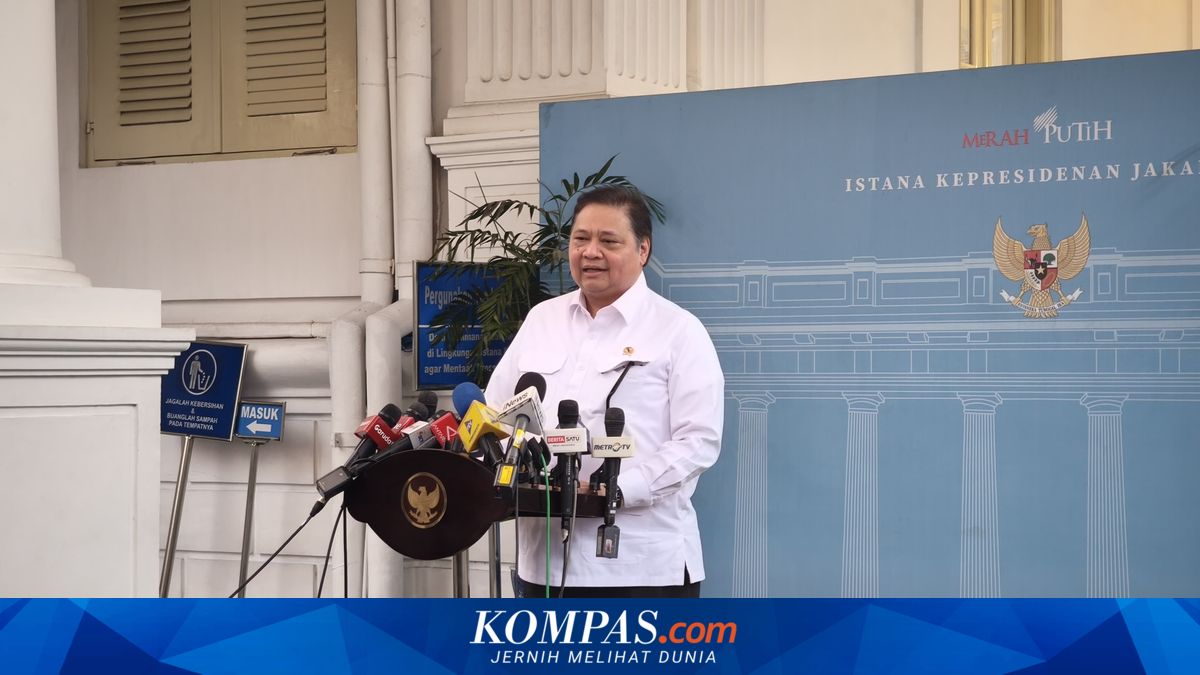
JAKARTA, KOMPAS.com - Coordinating Minister for the Economy Airlangga Hartarto has revealed that the government is preparing a work flexibility policy with a work-from-home (WFH) scheme for one day per week for civil servants (ASN) and private sector workers.
He stated that the policy is a direct instruction from President Prabowo Subianto in response to supply disruptions and high global oil prices resulting from the war in the Middle East.
“With the high oil prices, efficiency in working hours is needed, where flexibility for work from home will be opened for one day in five working days,” said Airlangga at the Presidential Palace Complex, Jakarta, on Thursday (19/3/2026).
Airlangga assured that the details of the regulations, including the implementation mechanisms in each sector, will be announced after the study is completed.
“The technicalities are being prepared, as this is expected to apply not only to ASN but also to the private sector and regional governments,” he said.
Regarding the implementation timeline, he revealed that the one-day WFH policy is planned to take effect after the Eid al-Fitr period.
According to Airlangga, the President views this policy as capable of providing significant impact on fuel consumption savings, particularly from the daily transportation sector of workers.
This policy is also part of the government’s efforts to maintain fiscal stability, including keeping the state budget deficit below 3 percent amid pressures from rising global energy prices.
“Therefore, there are savings in terms of mobility usage of petrol. The savings are quite significant, one-fifth of what we can allocate,” concluded Airlangga.
The Philippine government is implementing a four-day workweek policy starting 9 March 2026.
This step is taken to save energy amid supply disruptions and price volatility due to escalating conflict in the Middle East.
Philippine President Ferdinand Marcos Jr explained that the policy only applies to executive branch government offices and does not include emergency or essential services, such as police, fire departments, and offices that directly serve the public.