
Energy-saving LPG tips from Chef Gun amid global energy crisis threat
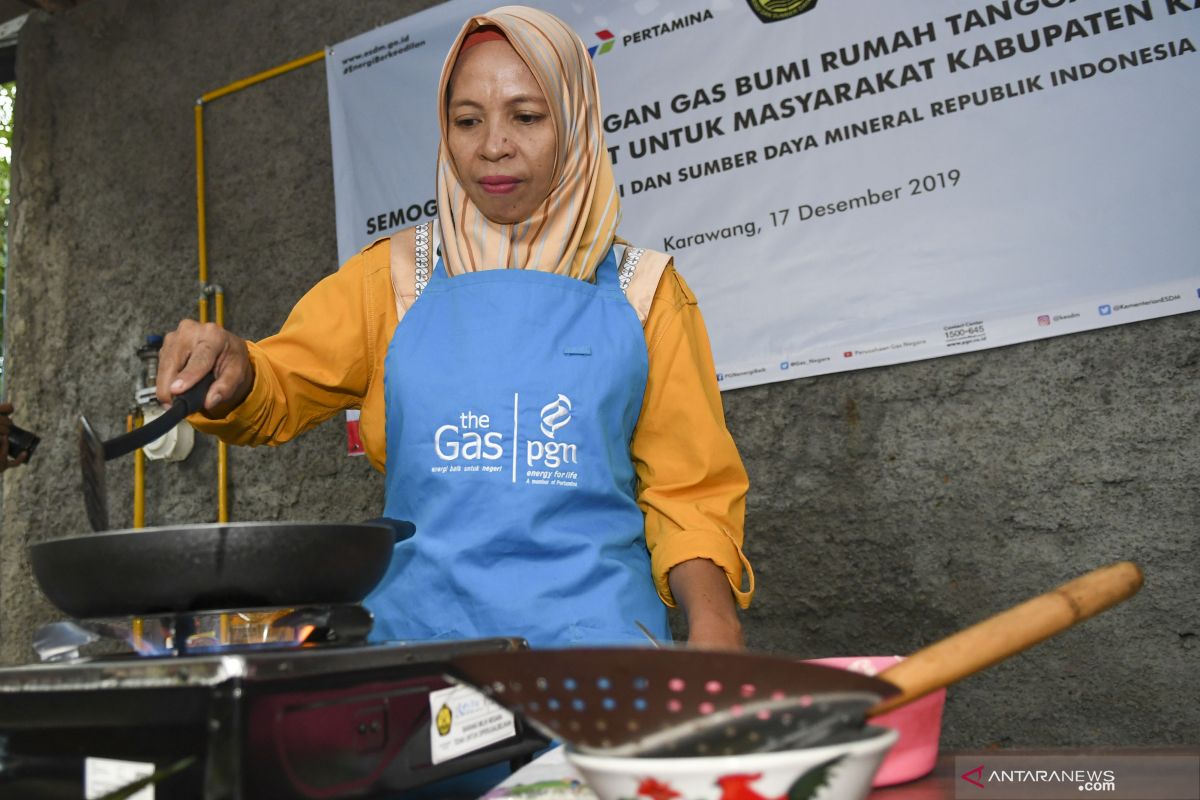
Jakarta (ANTARA) - Amid geopolitical conditions impacting the threat of a global energy crisis, the government is urging the public to conserve energy, including petroleum fuels (BBM) and LPG.
In response to this situation, Technical Chef from rice flour producer Cheff Igun Gunawan provides practical tips for saving LPG or gas fuel usage in households.
According to Chef Gun, his familiar nickname, anticipation of the energy crisis threat does not always require major steps. The role of the public, he said, can start with simple yet conscious efforts towards energy-saving patterns, including LPG.
“Many people think the energy crisis is the affair of the government or big industry. In fact, household kitchens also have a significant contribution. The way we cook every day determines it,” he said in Jakarta on Sunday.
According to him, Indonesian cooking patterns still tend to be inefficient. The habit of lighting the stove before all ingredients are ready is one of the main causes of unnoticed gas wastage.
“Unknowingly, we often waste gas just because we’re not ready. The stove is already on, but we’re still busy chopping ingredients. This seems trivial, but if it happens every day, the impact is huge,” explained the chef who also often mentors MSMEs across West Java.
“A simple technique like soaking ingredients has actually been known for a long time, but often ignored. Yet this is the easiest way to speed up cooking without adding heating time,” he said.
Besides habit factors, technical aspects like stove condition also need attention. According to Chef Gun, many households are unaware that a dirty or unmaintained stove can cause incomplete combustion.
Primarily, the burner part, which is the source of dirt accumulation from spills of cooking broth, oil, or water, if left uncleaned, will obstruct gas flow, making gas usage tend to be wasteful.
He also highlighted the importance of basic cooking understanding, including flame and cookware usage. According to him, there are still many misconceptions that a large flame will speed up the cooking process.
“This mindset needs to be corrected. A large flame often results in uneven heat and waste. Medium flame is more stable, more efficient, and the cooking results are also better,” he stressed.
Through energy efficiency in the kitchen, he said, it is hoped to have a very significant impact if done collectively by millions of households in Indonesia.
“If we talk about energy resilience, don’t always look upstream. Downstream, namely households, also needs to be strengthened. Education like this must continue to be promoted,” he added.
“We may not be able to control world conflicts, but we can control how we use energy at home. From there, big contributions can begin,” said the former chef at several food companies.