
Energy Minister Guarantees Subsidised Fuel Prices Will Not Rise Until Eid al-Fitr
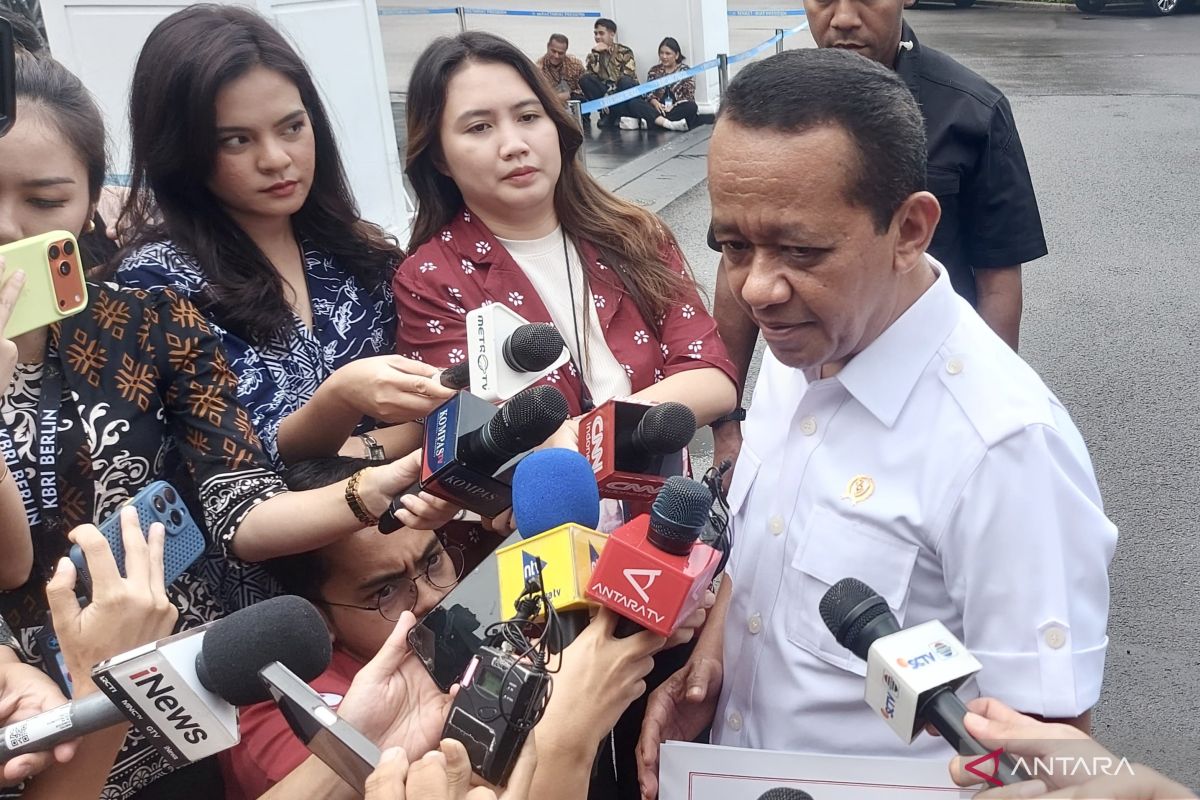
Jakarta — Indonesia’s Minister of Energy and Mineral Resources (ESDM), Bahlil Lahadalia, has guaranteed that subsidised fuel prices will not increase through Eid al-Fitr, despite global crude oil prices surging and temporarily exceeding $100 per barrel.
Bahlil, speaking before attending a limited meeting at the Indonesian Presidential Palace in Jakarta on Tuesday, explained that he had discussed subsidy matters with Finance Minister Purbaya Yudhi Sadewa.
“The government held discussions yesterday with the Finance Minister, and I can assure you regarding fuel subsidies — through Eid al-Fitr, God willing, there will be no increases whatsoever. The state is committed to ensuring that even if global crude oil prices rise, subsidised fuel prices remain unchanged,” Bahlil said in response to journalists’ questions.
In a separate statement at the same location, Finance Minister Purbaya outlined that budget availability for fuel subsidies, particularly during the Ramadan period through Eid al-Fitr, remains secure.
“We remain secure and strong financially. This price increase has only occurred over the past few days. Our subsidy budget covers the entire year, with an annual average assumption of $70 per barrel. These price movements have only persisted for a few days, so it is insufficient to alter our budget. We can still absorb these increases,” Purbaya told journalists.
Speaking before the press, Bahlil noted that global crude oil prices have currently fallen below $100 per barrel. Global crude oil prices, he stated, remain volatile in the $80–90 range per barrel.
Likewise, Purbaya expressed belief that global crude oil prices will continue to fluctuate.
“Prices can rise and fall rapidly. We observe and confirm whether prices genuinely rise or fall sustainably. If prices rise for a few days or weeks, we can anticipate a continued increase. However, in this case, prices rise then suddenly fall again. Should oil prices decline later, we would need to adjust our response again, which becomes complicated. Therefore, determining a state budget response requires more caution than responding to stock market movements,” Purbaya explained.
Consequently, Purbaya continued, the government will monitor global crude oil price trends for some time before implementing policies to respond to these dynamics.
“I believe a month of observation is sufficient, given that prices are constantly changing. Previously, crude oil reached $120 per barrel, which was high. Now it stands at around $90 per barrel. What if it falls further? Prices keep changing, so we need to anticipate what the actual direction might be,” Finance Minister Purbaya said.