
Energy Emergency Drives Up LPG Prices, This Outdated Fuel Suddenly Makes a Comeback
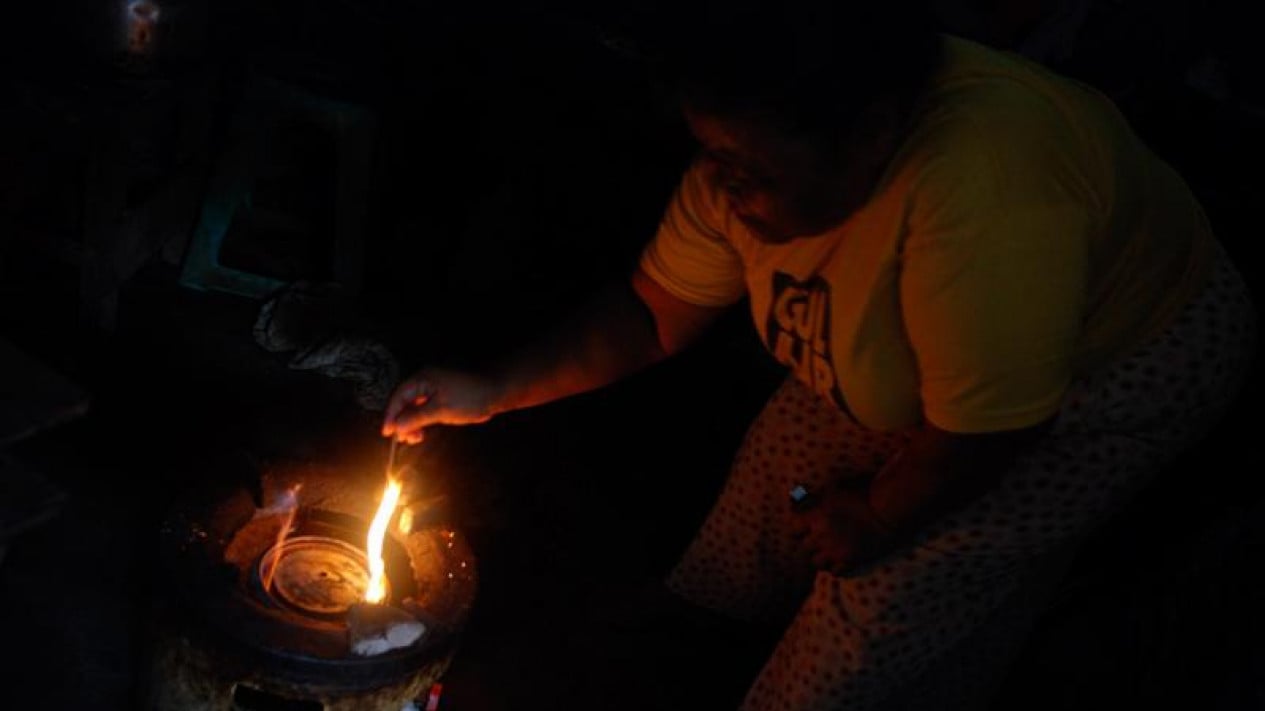
Jakarta – The global energy crisis triggered by geopolitical tensions is once again forcing several countries to take unusual measures. One of them is India, which has decided to revive the use of kerosene, an old fuel that was previously almost abandoned.
This policy emerges amid pressure from global energy prices and supply disruptions, particularly from West Asia. The situation directly impacts the availability of liquefied natural gas (LNG) and other primary fuels, prompting the local government to seek quick solutions to maintain public access to energy, especially for vulnerable groups.
In an official notification dated late March 2026, the Indian government has permitted the resumption of kerosene distribution through the Public Distribution System (PDS) for household needs. This policy applies for 60 days or until further decisions are made, covering 21 states and union territories, including areas that were previously free from the use of this fuel.
This step has drawn attention because the role of kerosene in India’s energy system has actually declined dramatically over the past decade. Data from Energy Statistics India 2026 shows that kerosene production was only around 1 million tonnes in the fiscal year 2024-2025, a sharp drop from 7.6 million tonnes in 2014-2015. Consumption has also fallen sharply from 6.83 million tonnes in 2015-2016 to around 408,000 tonnes in 2024-2025.
Nevertheless, the government considers kerosene still relevant as an emergency solution. This policy is taken to anticipate surges in prices or disruptions in primary energy supplies such as LPG and electricity, particularly due to tensions in the Strait of Hormuz, which is a vital route for about one-fifth of global oil and LNG distribution.
To accelerate distribution, the government has also relaxed several regulations. State-owned oil companies are now allowed to store up to 2,500 litres of kerosene at petrol stations, and this can even be increased to 5,000 litres at certain locations. Additionally, licensing requirements for distributors and transport vehicles have been simplified.
However, the use of kerosene is strictly limited to household cooking and lighting needs. The government has also emphasised that the policy is temporary and not a shift in long-term energy direction.