
Energy "Doomsday" Has Arrived in This Communist Country, Citizens Cry Out
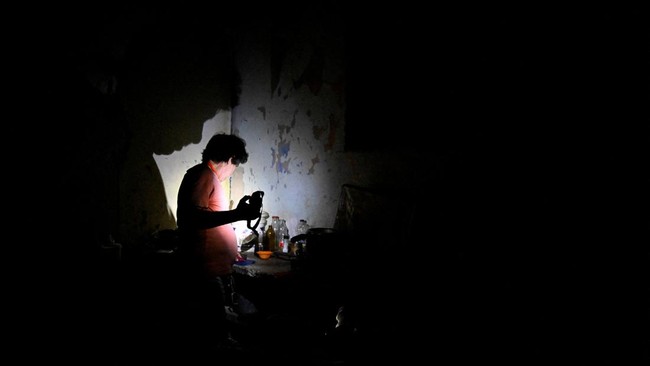
Cuba is facing an increasingly severe energy crisis as oil supplies dwindle, forming the backbone of the country’s electricity needs.
According to Reuters, at the end of March, the United States allowed a Russian-flagged tanker to deliver around 700,000 barrels of crude oil to Cuba. This shipment temporarily broke the tight oil blockade that had left the Caribbean nation short of fuel for months.
However, based on official estimates and average previous imports, this supply is only sufficient to meet needs for 7 to 10 days or until mid-April.
As a country that produces less than a third of its oil requirements, Cuba is heavily reliant on energy imports. Historically, Venezuela and Mexico have been the main suppliers, but both have struggled to maintain production in recent years.
Venezuela, which has been the primary supplier for more than two decades, last sent oil to Cuba in December 2025. Meanwhile, the last shipment from Mexico arrived around early January 2026.
The situation has been further complicated by the US military’s capture of Venezuelan President Nicolás Maduro on 3 January 2026, which has influenced energy supply dynamics in the region.
Throughout February, only small shipments from Jamaica arrived. Finally, Russia sent a limited supply at the end of March.
This has left Cuba’s energy system on the brink of crisis. If supplies are interrupted again, large-scale power outages are almost inevitable.
Cuba is known to rely heavily on oil for thermoelectric power generation, which consumes fuel twice as much as all other uses combined.
In recent months, shortages of crude oil and fuel have triggered grid failures. Around 10 million residents have been affected, with some experiencing outages of up to 16 hours per day, including in the capital Havana.
“America needs to let us live a little, let us breathe,” said Ismael de la Luz (67), a Havana resident. He emphasised that civilians are the ones suffering the most from this crisis. “We are in a very bad situation.”
The energy crisis is also impacting the healthcare sector. Cuban health officials have warned of an increased risk of deaths, particularly among child cancer patients.
On the other hand, power disruptions have triggered a clean water crisis. Residents must queue for supplies from tanker trucks after many water networks stopped operating due to power shortages. The state water company, Aguas de La Habana, confirmed that their operations have been disrupted.
This situation has sparked waves of protests in several areas. On 14 March, demonstrators even attacked a Communist Party office in central Cuba. This marks a rare public act of defiance.
Unlike neighbouring countries such as Jamaica and the Dominican Republic, which have diversified their energy sources to include coal, natural gas, and renewables, Cuba remains heavily dependent on oil. The long-standing US trade embargo has also limited the nation’s ability to switch to alternative energy sources.
With supplies increasingly thinning and high dependence on imports, Cuba’s energy crisis is expected to continue in the near term.