
Energy Crisis Threat: TOBA Relies on Electrum Ecosystem
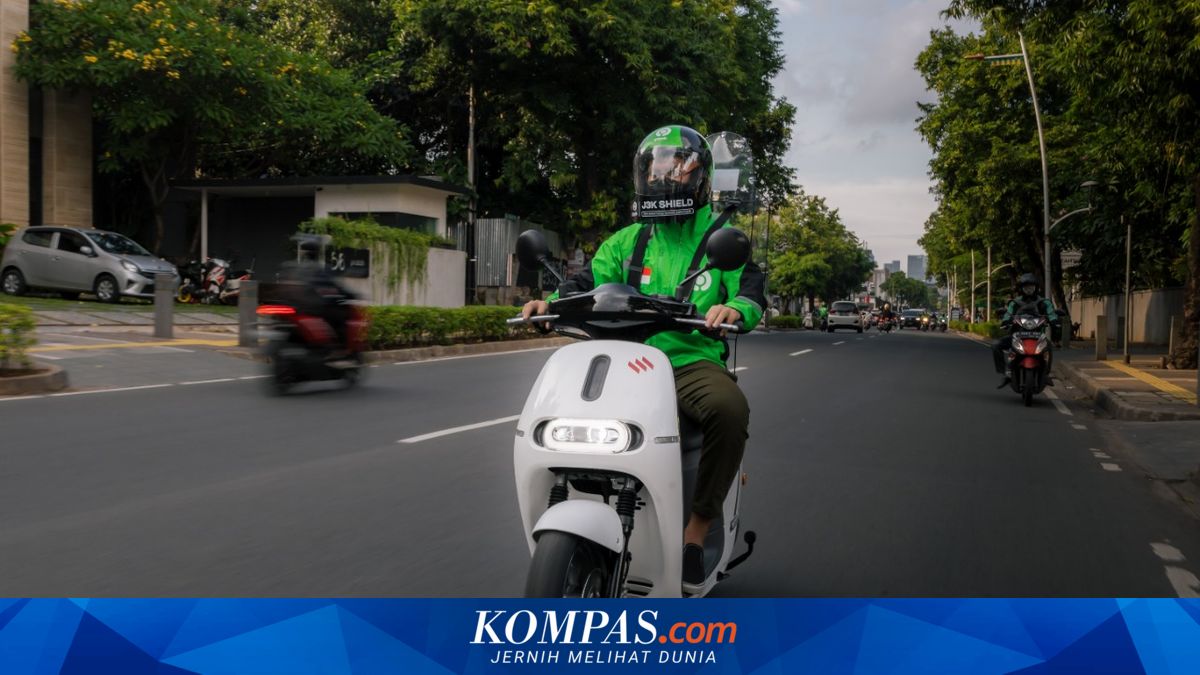
Jakarta – Growing interest in electric motorcycles among ride-hailing drivers is beginning to deliver positive business impact for PT Electrum.
The electric motorcycle manufacturer is a joint venture between PT TBS Energi Utama Tbk (TOBA) and GoTo, which markets electric vehicles on a business-to-business basis to the Gojek and Grab ecosystems, as well as several goods delivery service companies.
By the end of 2025, Electrum had operationalised more than 7,500 electric motorcycles supported by approximately 364 battery-swap stations across various operational regions.
TOBA Chief Executive Officer Juli Oktarina stated that the development of electric vehicle business has become increasingly relevant amid rising geopolitical tensions pressuring global energy markets.
“Our current business strategy provides flexibility for the company to continue growing, where waste management, renewable energy, and electric vehicle sectors have become crucial opportunities for national energy resilience,” she said in a written statement on Friday (13 March 2026).
Geopolitical tensions in the Middle East between Iran and the coalition of the United States and Israel have indeed triggered concerns in global energy markets. Crude oil prices have even breached the 110 US dollars per barrel level, whilst in the State Budget (APBN) the Indonesian government has set the oil price assumption at 70 US dollars per barrel.
Data from the Institute for Development of Economics and Finance (Indef) shows that every 10 US dollar increase per barrel above the initial assumption has the potential to add budgetary burdens of up to 80 trillion rupiah. If oil prices reach 120 US dollars per barrel, the additional burden that the state must bear is estimated to reach 400 trillion rupiah.
As a country that still imports most of its energy needs, a spike in global oil prices has the potential to increase pressure on domestic fuel prices. Additionally, the potential for global energy supply disruptions has also raised concerns about the stability of fuel distribution.
This condition is felt by ride-hailing drivers who are highly sensitive to changes in fuel prices. With an estimated number reaching around 6 million people in Indonesia, an increase in fuel prices can directly affect their daily operational costs.
However, for ride-hailing drivers using electric motorcycles, the risk of increased operational costs can be minimised. This has been experienced by Acel Yusde Pario, a ride-hailing partner who joined since 2017 and switched to using an electric motorcycle in mid-2024.
According to Acel, when still using a petrol-fuelled motorcycle, he had to spend approximately 55,000 rupiah per day to purchase fuel. This figure did not include vehicle maintenance costs at workshops or annual vehicle taxes.
He admitted that initially he was hesitant to use an electric vehicle as he had never tried it before. However, after some time, he became increasingly confident in his choice.
Acel even added another unit of electric motorcycle for use at home. The electric motorcycle he uses is an Electrum product capable of travelling up to approximately 200 kilometres per day.
The motorcycle uses a lease-ownership or rent-to-own scheme. Because the unit he uses is not a new motorcycle, he pays approximately 55,000 rupiah per day plus battery usage costs of around 25,000 rupiah per day.