
Energy Crisis Pressures Air Cargo, Boosting Opportunities for Sea and Land Logistics
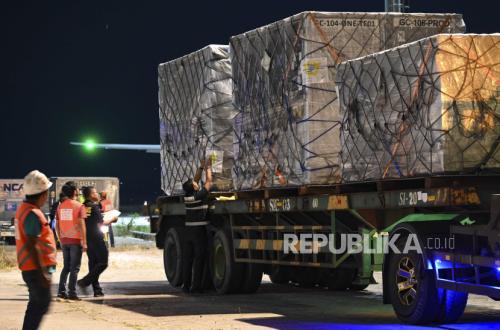
REPUBLIKA.CO.ID, JAKARTA — The global air cargo industry is facing pressure amid escalating geopolitical conflicts and ongoing disruptions in the global energy commodity supply chain since early 2026. Rising shipping rates, the implementation of fuel surcharges, and limited capacity are indicators that the current air cargo market is in a phase of high costs, limited capacity, and volatility.
This situation is prompting global business players to adjust their logistics operational strategies. Air cargo, which has long been the mainstay for high-value and time-sensitive shipments, is no longer always the primary choice. Several companies are reviewing cost structures and shifting to more efficient alternatives, including sea transportation and multimodal schemes.
Senior Vice President of FIATA and Advisor to CILT, Yukki Nugrahawan Hanafi, assesses that the pressure on the global air cargo industry is triggered by rising energy commodity prices as a result of geopolitical escalation.
“Global jet fuel prices have historically been in the range of $75–87 per barrel, but currently reach $175–200 per barrel. This has caused global air cargo demand to drop by around 22 percent, with the Asia–Europe route under pressure up to 39 percent,” said Yukki in a statement on Tuesday (14/4/2026).
Yukki added that these global dynamics directly impact the national logistics sector. Indonesia’s logistics structure, still dominated by land transportation at around 90 percent, makes the domestic distribution system vulnerable to external pressures.
When air cargo costs increase, some cargo flows have the potential to shift to land and sea modes. This condition could increase the burden on infrastructure that has already faced capacity and efficiency challenges.
“This shift in air cargo flows presents an opportunity for sea and land logistics business players to maintain smooth distribution. However, this opportunity will only be optimal if accompanied by improvements in operational efficiency and strengthening connectivity between ports and hinterland areas,” said Yukki.