
Energy Crisis Looms as Pakistan Cuts Salaries of Officials, Ministers and Parliament Members
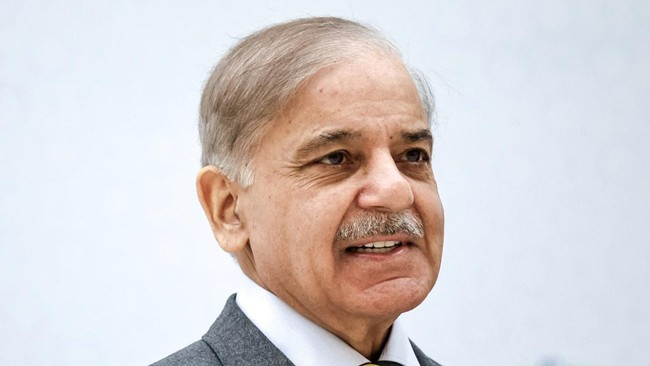
Pakistan has implemented a series of emergency measures due to escalating conflict between the United States and Israel against Iran, which is expanding into the world’s oil-producing regions in the Arab world. Prime Minister Shehbaz Sharif announced several strict austerity measures in response to concerns over fuel supply and soaring prices.
“These attacks have posed a major threat to the entire region,” said Sharif in a televised statement, citing Middle East Eye, on Thursday, 12 March 2026.
“With Pakistan heavily dependent on energy exports from the Gulf, the government has made difficult decisions for the nation’s economy,” he added.
The government has also closed all schools until the end of the month, with remote learning mandated for all students. Workers have been instructed to work from home. Government spending will be reduced by 20 per cent, and large purchases such as furniture and air conditioning units are prohibited.
Civil service officials earning more than 300,000 Pakistani rupees (approximately 18.1 million rupiah) will face a double salary cut. Government vehicle usage will be reduced by 60 per cent over the next two months, whilst fuel allowances for those vehicles will be cut by half.
The federal cabinet will receive no salaries for the next two months. Parliament members will experience a 25 per cent salary reduction. All parliamentarians are banned from travelling abroad. Official iftar dinners for Ramadan, banquets and other festivities have also been prohibited.
Pakistan is heavily dependent on the four largest fuel exporters: the United Arab Emirates, Qatar, Saudi Arabia and Kuwait. All these countries have halted production due to the conflict with Iran and cannot export due to the closure of the Strait of Hormuz.
Notably, approximately 20 per cent of all global crude oil consumption passes through the Strait of Hormuz. Qatar and the UAE account for approximately 99 per cent of Pakistan’s liquefied natural gas imports.
Earlier, global commodity markets were shaken when they reopened on Monday due to the escalating conflict in Iran over the weekend. Israel struck more than 30 oil depots in Iran over the weekend, including in Tehran and Karaj.
The attacks on these depots far exceeded what the “United States expected” when Israel notified them beforehand, according to reports in Axios. In retaliation, Iran has threatened to attack oil facilities in neighbouring countries.
Pakistan itself has suffered from high inflation, surging debt and low foreign exchange reserves. The country is also embroiled in its own internal conflict and faces problems with India and Afghanistan.