
Energy Crisis Could Alter Mobility Patterns in Indonesia
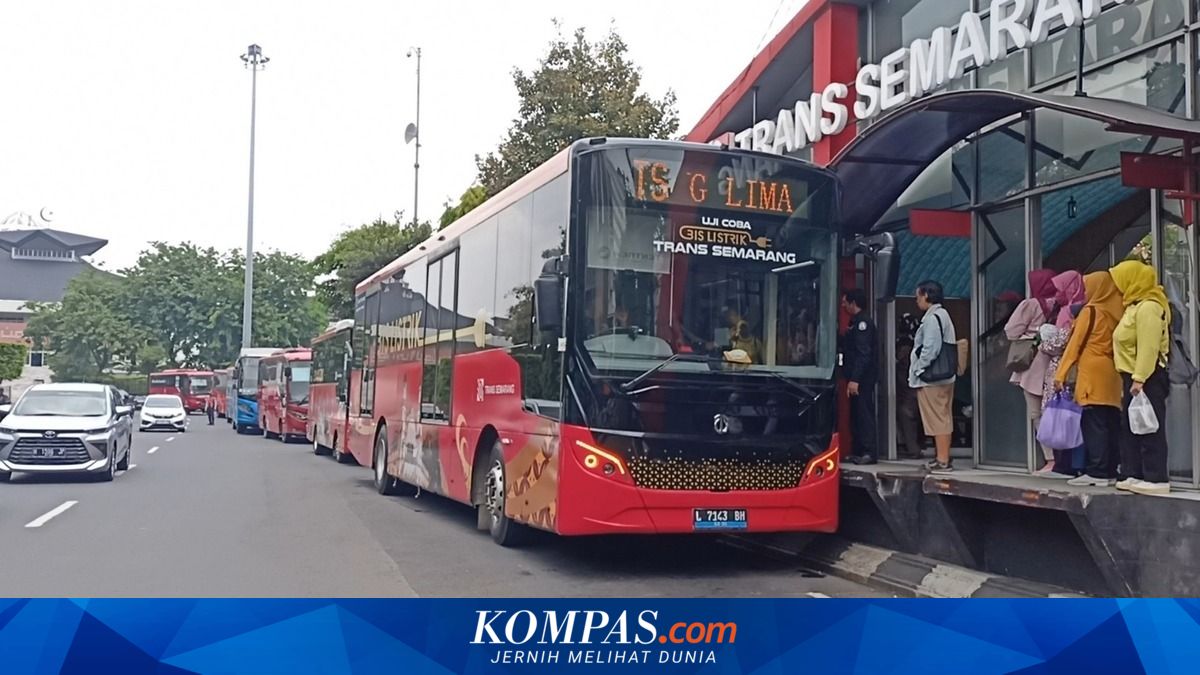
JAKARTA, KOMPAS.com - Increases in fuel prices often directly affect public behaviour in daily activities. Every surge in energy prices, especially sudden ones, is typically followed by adjustments in mobility patterns, both in terms of trip frequency and choice of transport mode.
This phenomenon is not new. Several countries have experienced it earlier, including the Philippines, which faced significant pressure from high fuel prices. That situation provided a clear picture of how societies adapt when energy costs soar and purchasing power is squeezed.
“When petrol prices spike sharply, people naturally shift to public transport, walking, or cycling, and reduce non-essential trips,” said Yannes, when contacted by Kompas.com recently.
According to him, these changes are spontaneous and rational, as people seek the most efficient alternatives to curb daily expenses. Public transport becomes the primary choice, especially for workers who previously relied on private vehicles.
A surge in demand for public transport could prompt a swift response from the government. Policies such as fare subsidies or affordable transport programmes are seen as short-term solutions to maintain public purchasing power while ensuring mobility continues.
Yannes added that the government is likely to respond with fare subsidies or affordable transport programmes as a social safety net. The impact could be quite positive, as it would curb national fuel consumption, reduce congestion, and promote healthier lifestyles.
However, challenges do not only arise in urban areas. Rural regions with limited access to public transport face different risks, as dependence on private vehicles remains very high.
“But there are structural challenges that cannot be ignored; in rural areas or regions with limited public transport access, fuel price increases could actually reduce public mobility and directly impact daily economies and rising agricultural production costs,” he said.
This situation demands a more comprehensive policy approach. Reforms in public transport and accelerated vehicle electrification are considered strategic steps to reduce reliance on fuel while creating a more sustainable mobility system.
Yannes stated that overall, this condition should serve as an important momentum for the central government, provincial governments, city governments, and regency governments to accelerate integrated public transport reforms alongside fleet electrification, combining mass transport solutions and individual vehicles such as e-bikes, electric motorcycles, electric cars, or hybrids.
“The key lies in policy design that is sensitive to the socio-economic conditions of the public, so that this transition is not only energy-efficient but also remains inclusive and equitable,” he said.