
Energy Crisis Begins to Strangle Europe as Putin Offers Himself as Saviour
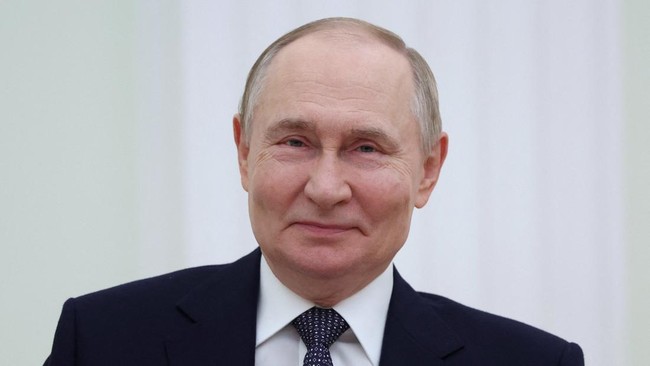
Middle Eastern tensions disrupting global energy trade routes have opened new opportunities for Russia to resume offering oil and gas supplies to Europe. Russian President Vladimir Putin stated that his country is prepared to supply energy to the region conditionally, if European nations wish to resume cooperation.
Putin made the statement in televised comments on Monday 9 March 2026, as the Middle Eastern conflict has made energy shipments through the Strait of Hormuz virtually cease. The strait is one of the world’s most critical energy trade routes, with approximately one-fifth of global oil supply and liquefied natural gas passing through the narrow waterway.
In his remarks, Putin said Russia would not rule out resuming energy supplies to Europe, provided such relations were based on stable long-term cooperation free from political pressure. “If European companies and European buyers suddenly decide to reorient themselves and give us stable long-term cooperation, free from political pressure, then yes, we have never rejected it. We are ready to work with Europeans as well,” Putin stated.
Putin also encouraged Russian energy companies to capitalise on the Middle Eastern conflict situation, which has triggered global energy supply disruptions.
Putin’s statement also emerged just hours after Hungarian Prime Minister Viktor Orbán urged the European Union to reconsider sanctions against Russian energy. Orbán called on the bloc to suspend sanctions on Russian oil and gas to prevent energy price spikes triggered by the Middle Eastern war. The call highlighted ongoing debates within Europe regarding the balance between political pressure on Russia and the need to maintain energy supply stability.
Since the Ukraine war erupted, European nations have made significant efforts to reduce their dependence on Russian energy. The European Union banned imports of Russian crude oil via sea routes in 2022 as part of sanctions against Moscow.
Furthermore, Russian oil exports through the Druzhba pipeline network to Hungary and Slovakia have effectively ceased since January following damage to the pipeline route through Ukraine.
Before the Ukraine war, more than 40% of Europe’s gas needs were supplied by Russia. However, by 2025, combined Russian gas supplies via pipeline and liquefied natural gas contributed only around 13% of the European Union’s total energy imports.
The loss of the European market during the Ukraine war forced Russia to seek new buyers in Asia. Moscow ultimately sold its oil and gas to Asian nations at substantial discounts to maintain export volumes.