
Energy Crisis Becomes More Apparent as US and Iran Exchange Threats
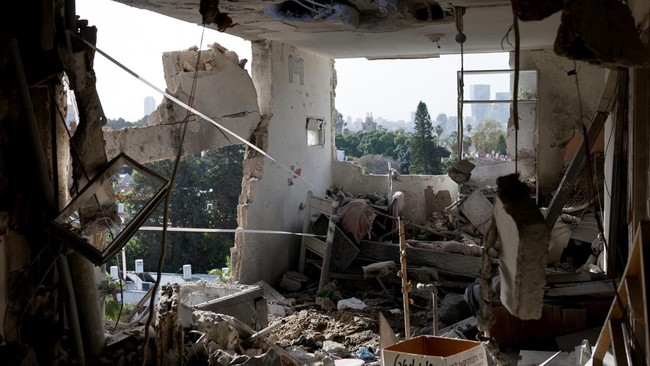
Tensions in the Middle East are intensifying after US President Donald Trump issued a harsh ultimatum to Iran regarding the closure of the Strait of Hormuz, a vital global energy route. Citing Reuters, Trump threatened to “destroy” Iran’s power plants if Tehran does not immediately reopen the Strait of Hormuz within 48 hours. “If Iran does not FULLY OPEN, WITHOUT THREAT, the Strait of Hormuz within 48 HOURS, the United States will attack and destroy various power plants of theirs,” Trump wrote on social media on Sunday (22/3/2026). This threat comes amid increasing disruptions to shipping traffic in the Strait of Hormuz, a narrow passage that carries about one-fifth of the world’s oil and gas supply. These tensions have triggered a surge in global energy prices, with European gas prices recorded to have jumped by up to 35% in the past week. Trump also took a swipe at NATO allies, whom he deems reluctant to get involved in the conflict, although some have indicated they are still considering further steps. Iran Responds to Threats A strong response came from Tehran. Iran’s main military command, Khatam al-Anbiya Central Headquarters, warned that it would attack various strategic US and allied infrastructures if Iran’s energy facilities are targeted. “If Iran’s energy infrastructure is attacked, then all energy infrastructure, information technology, and desalination belonging to the US and regimes in the region will become targets,” stated the declaration carried by the Fars news agency. This threat marks a serious escalation, where attack targets are no longer limited to military facilities but also include vital civilian infrastructure such as electricity, technology, and water supply. The situation has heightened concerns about the outbreak of an “energy war,” in which oil, electricity, and vital infrastructure facilities become primary targets. Disruptions in the Strait of Hormuz itself have led many ships to avoid the route, exacerbating global energy supply risks. If the escalation continues, the world energy market could face even deeper shocks, including surges in oil and gas prices as well as global inflationary pressures.