
Energy and Mineral Resources Ministry and PLN Anticipate Coal Shortage for Thermal Power Plants
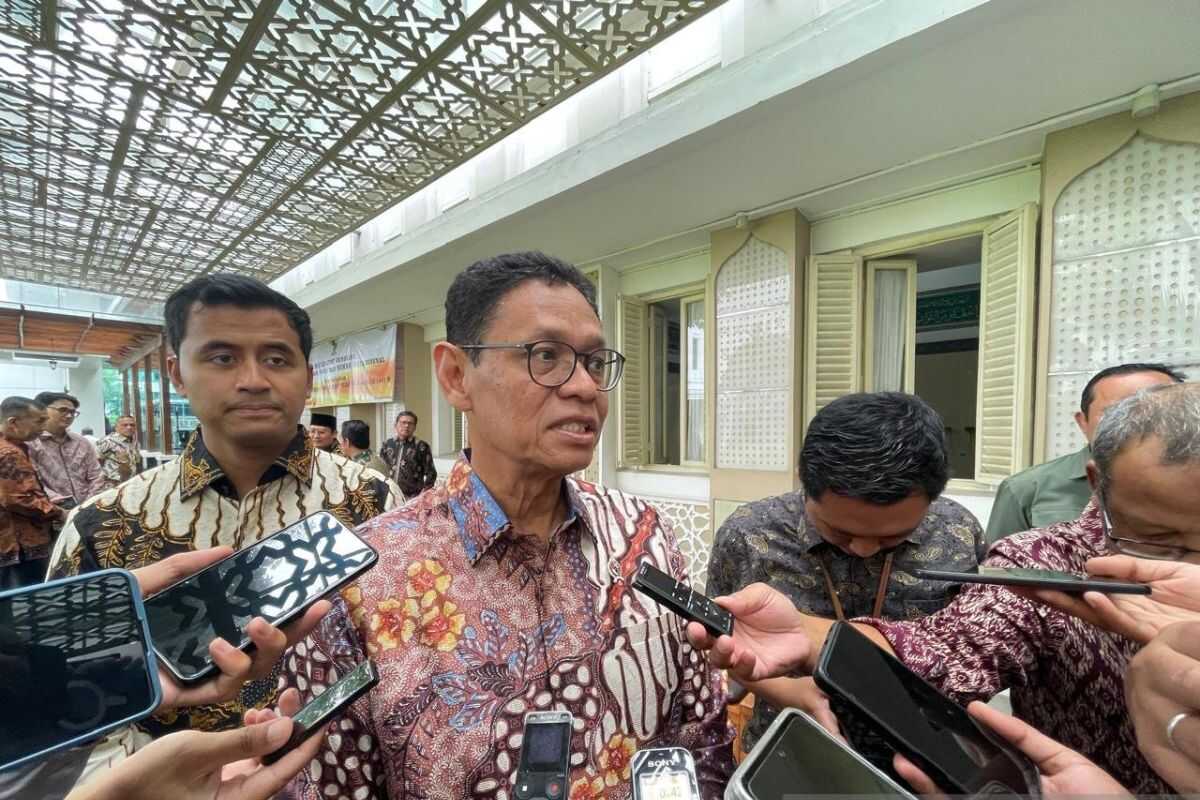
Jakarta — Indonesia’s Energy and Mineral Resources Ministry (ESDM) is communicating with PT PLN (Persero) to address potential shortages in coal supply for thermal power plants (PLTU).
“Last week, regarding the availability of primary energy, particularly coal, we have been in communication with PLN,” said ESDM Deputy Minister Yuliot when met at the ESDM Ministry office in Jakarta on Friday.
In a meeting with PLN, the ESDM Ministry requested that PLN identify which power plants face urgent or emergency situations.
Regarding coal supply, Yuliot continued, supply should already be met through coal mining companies’ obligations to sell approximately 30 per cent of their production to PLN under the Domestic Market Obligation (DMO) coal scheme.
“Since approximately 30 per cent of total production is used for domestic power generation needs, in terms of requirements this should be sufficient,” he said.
Yuliot stated that the actual challenge concerns how coal is transported from mining locations to power plants. For example, certain plants maintain a minimum coal reserve of 20 days. To ensure coal reserves do not fall below 20 days, Yuliot stressed the importance of procurement processes being conducted promptly.
“There must be no delays in procurement,” he said.
On this occasion, Yuliot also reminded that primary energy for power generation encompasses not only coal but also liquefied natural gas (LNG) availability.
He added that energy supply for power generation has also attracted the attention of ESDM Minister Bahlil Lahadalia.
“The Minister is also concerned about this matter. We must ensure that domestic power plants’ primary energy supply is not disrupted,” Yuliot said.
In early 2026, Energy and Mineral Resources Minister Bahlil Lahadalia stated that the ESDM Ministry will reduce coal production to approximately 600 million tonnes, a decline of nearly 200 million tonnes compared with coal production in 2025 of 790 million tonnes.
These production reduction measures aim to maintain commodity prices at global levels.