
Endless War, US President Agrees to Launch Nuclear Bomb
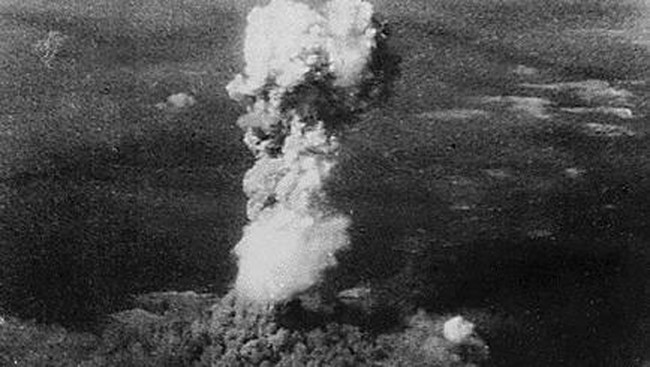
The United States’ plan to end the conflict with Iran as quickly as possible is no mere threat. In historical records, US President Harry S. Truman once took an extreme step to force his opponent to surrender, namely by dropping nuclear bombs on Japan.
This event occurred between July and August 1945, when World War II in the Pacific region was still raging. Japan continued to refuse surrender despite numerous cities being devastated and casualties mounting. Truman, along with the Allied nations, had previously demanded Japan’s unconditional surrender, but Tokyo remained defiant.
Initially, the Pentagon prepared a massive land invasion of Japan’s mainland. This operation was estimated to cost hundreds of thousands of US soldiers’ lives and millions of Japanese civilians.
Japanese troops were known to be prepared to fight to the death for their emperor and country. Citing the Truman Library website, the land invasion scenario was considered too costly and high-risk, leading President Truman to opt for a radical action.
On 6 August 1945, the first atomic bomb, Little Boy, was dropped on Hiroshima. Three days later, the second bomb, Fat Man, destroyed Nagasaki.
Citing the Britannica website, the death toll in Hiroshima is estimated at 70,000-140,000 people, while in Nagasaki it was around 40,000-80,000. These figures do not include hundreds of thousands who suffered long-term radiation effects.
The nuclear strikes became a turning point in the war. Japanese Emperor Hirohito finally surrendered on 15 August 1945, marking the end of World War II in the Pacific. The formal surrender took place on 2 September 1945 aboard the USS Missouri warship.
Although Truman’s action ended the war more quickly, the decision remains controversial. Historian Sergey Rachenko, in an article titled “Did Hiroshima Save Japan From Soviet Occupation?”, argues that the nuclear bombs not only forced Japan to surrender but also served as a show of strength to the Soviet Union.
The long-term impact persists to this day. The launch of nuclear bombs triggered a global arms race and left a shadow of nuclear threat in every international tension. To date, the US government has never issued an official apology for the first and only nuclear action in the history of warfare.
History reminds us that the US has taken desperate measures to end a war. Amid the current tensions with Iran, the possibility of similar actions cannot be entirely dismissed.