
Empowered Seniors, Thriving Indonesia
If senior citizens are given space to stay healthy, learn, work, share, and remain loved, Indonesia will not merely be an aging nation but a mature one that cares for all stages of life.
Every 29 May, Indonesia observes National Senior Citizens Day. This date should not merely be a ceremonial tribute to the elderly but a turning point in how the nation views them: from aid recipients to active contributors to development.
A great nation not only nurtures its youth but also upholds the dignity of its citizens until old age.
Historically rooted in Dr KRT Radjiman Wedyodiningrat, a senior figure who at 66 chaired the BPUPKI session on 29 May 1945, the message remains clear: old age is not the end of contribution. Seniors hold social memory, work ethics, calm thinking, family wisdom, and national resilience.
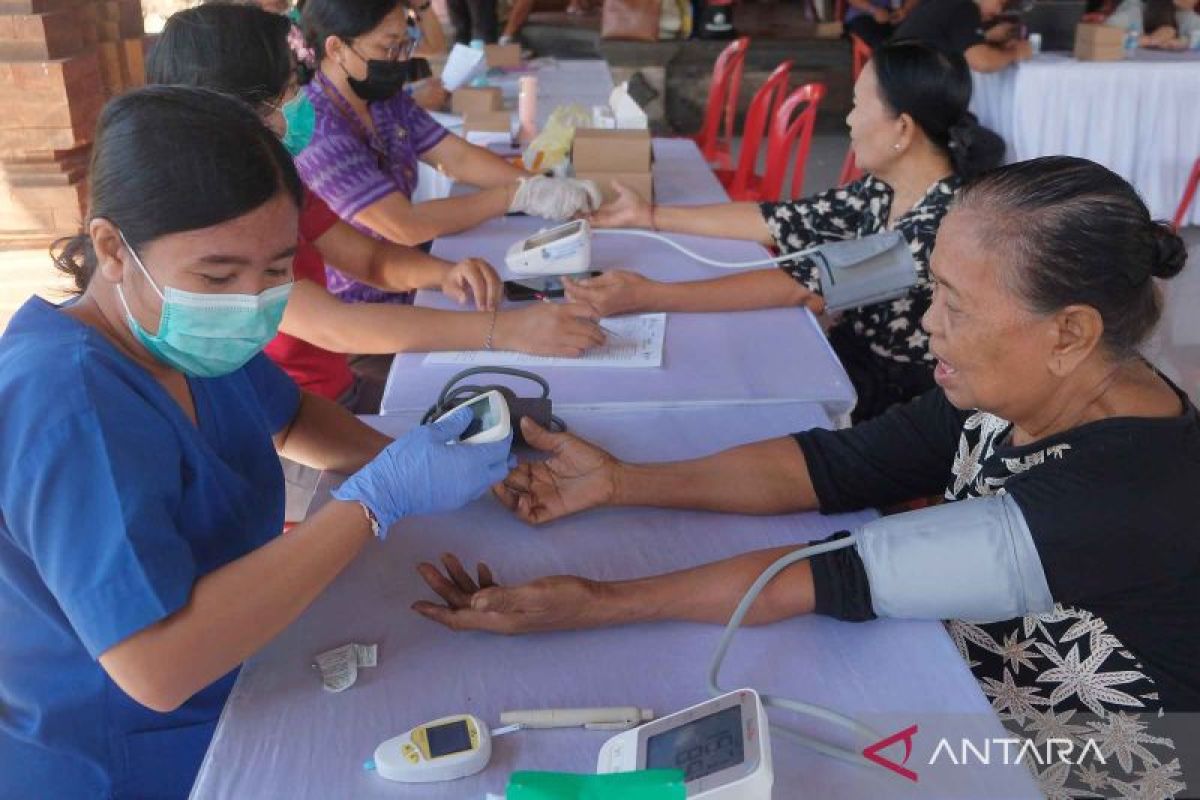
Indonesia faces demographic shifts. The Ministry of Health notes the country entered an aging population era in 2021, with 12 per cent—29 million people—classified as seniors, projected to rise to 20 per cent by 2045. This underscores that senior issues are not seasonal charity but a national development agenda.
The government has a solid foundation in Presidential Regulation No. 88 of 2021 on the National Strategy for Aging. The policy direction is correct, positioning seniors within social protection, health improvement, age-friendly communities, institutional strengthening, and rights fulfillment. Success is measured not just by national documents but by local implementation of accessible family services.
Empowering seniors must start with a shift in perspective. They are not a family burden but citizens with rights, experience, voice, and potential. While some require intensive care, others remain productive—teaching, trading, farming, writing, mentoring MSMEs, childcare, community leadership, or safeguarding social values. Uniform policies will fail to address this diversity.
Productive Seniors
In a nation hastily idolising youth, stories of productive seniors offer a gentle moral correction. After his presidency, BJ Habibie continued to illuminate knowledge, technology, and democracy; in his 70s, he wrote ‘Habibie & Ainun’, not merely a love memoir but a profound archive of loyalty, loss, and dedication. Long before, Radjiman Wedyodiningrat chaired the BPUPKI session at 66, reminding us that the republic’s foundation was built by minds seasoned by experience.
Globally, Nelson Mandela became South Africa’s president at 75, turning apartheid wounds into reconciliation; Mahathir Mohamad returned as Malaysia’s leader at 92; Grandma Moses found her artistic stage after taking up painting seriously at 77. Though from different eras and nations, they share a common message: senior productivity is not about working harder, but remaining useful, thinking clearly, nurturing hope, and passing on direction.