
Emil Dardak warns that SPPG standards for free nutrition programme cannot be compromised
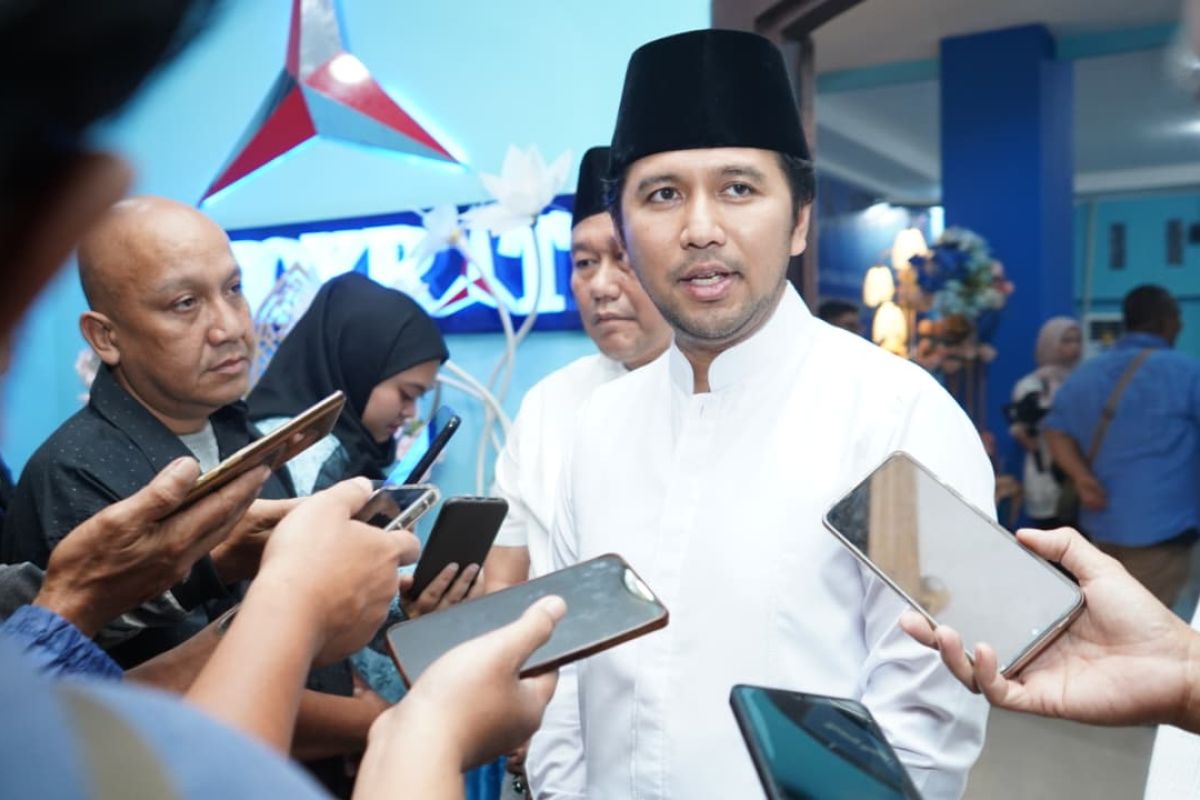
Surabaya — East Java Vice Governor Emil Elestianto Dardak has reminded operators that the operational standards for Nutrition Fulfilment Service Units (SPPG) in the Free Nutrition Meal Programme (MBG) cannot be compromised, following the temporary suspension of several units by the central government.
“We always maintain single-channel communication. Field complaints are conveyed through the coordination group of MBG task force heads across East Java, comprising 43 members,” Emil said in Surabaya on Thursday.
Emil, who also chairs the MBG Task Force for East Java, stated that the provincial government has continuously submitted reports and complaints regarding SPPG operations to the central government through official communication channels with the National Nutrition Agency (BGN).
According to him, various field findings, ranging from food menu quality issues to kitchen operational standards, have been reported through coordination forums involving MBG task force heads across East Java.
He cited examples of reported findings, including suspected food poisoning incidents and concerns about menu pricing standards that were deemed disproportionate to the quality received by beneficiaries.
“We do regularly forward such reports to the BGN. Our hope is that firm action will be taken to serve as a lesson and create a deterrent effect,” he said.
Emil commended the BGN’s move to take strict action against several SPPGs deemed not to meet operational standards, including temporary suspension of units with potential similar risk factors.
“This firmness is important. Not only towards those reported, but also towards SPPGs with the same risk factors,” he said.
Based on East Java provincial government data, approximately 1,401 SPPGs have already obtained health and hygienic operational permits (SLHS), whilst 262 others are still in the application process, and hundreds of other units have yet to apply for such certification.
Therefore, Emil urged the central government not only to impose temporary suspension penalties, but also to set clear time limits for SPPG operators to complete requirements.
“If there is no seriousness by the deadline to submit SLHS applications, then the SPPG management opportunity should be given to other parties. The beneficiaries deserve better,” he said.
He added that adequate waste management systems are a non-negotiable aspect because kitchen activities in the MBG programme generate significant quantities of food and cooking oil waste.
“Wastewater treatment plants cannot be compromised. Food and oil waste is substantial. If not properly treated, it can pollute the environment,” he said.
“We are grateful that the BGN has taken firm action. Our hope is that this will lead to collective improvement so the programme runs better,” he concluded.