
Embracing the Fate of Madrasah Teachers
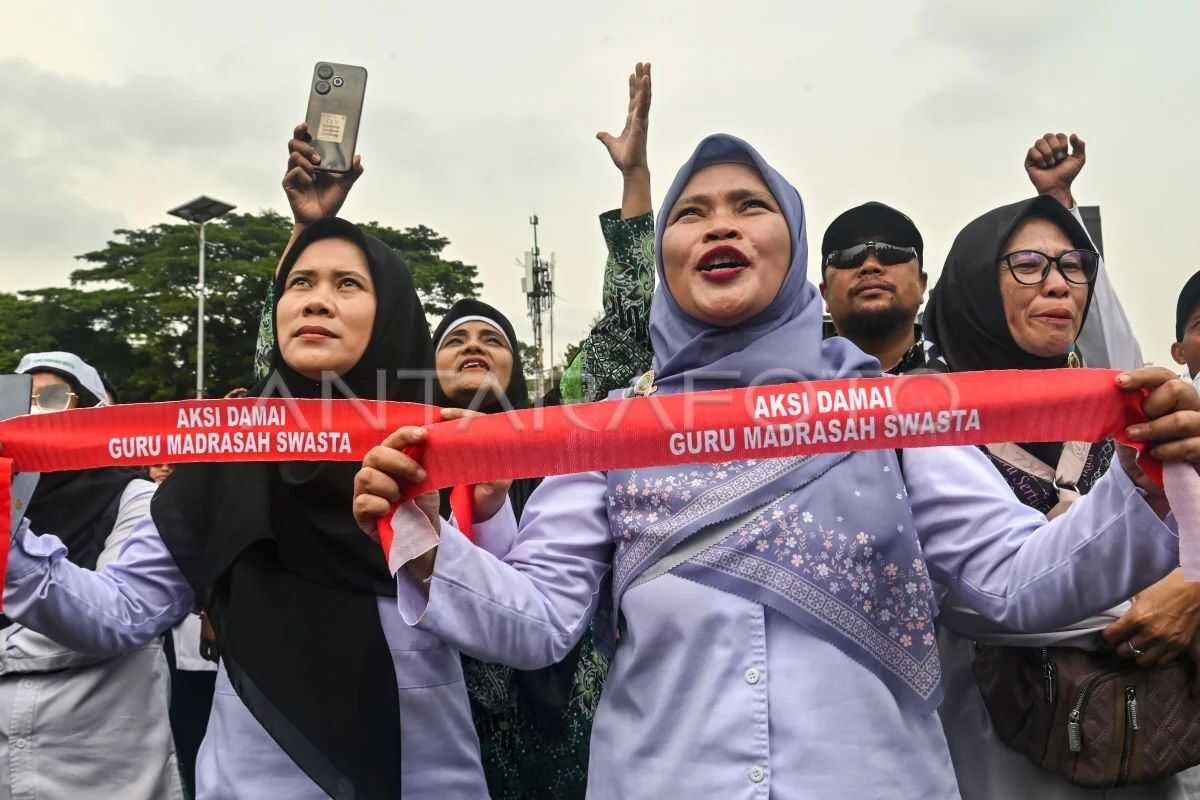
Mataram (ANTARA) — In many villages in West Nusa Tenggara (NTB), madrasahs stand modestly amid residential areas. The buildings are not always grand, but the classrooms remain alive with the voices of children learning to read, write, and understand religious values.
Behind the chalkboard and textbooks, there are madrasah teachers who have devoted themselves for decades in quiet obscurity.
They teach with great dedication, often with salaries far from adequate. Most are private or non-PNS teachers who lack job security and welfare. Yet they persist because they believe education is the path of service.
Now, new hope emerges. The idea of appointing private madrasah teachers as Pegawai Pemerintah dengan Perjanjian Kerja (PPPK) is gaining traction again.
This aspiration has surfaced in various forums, including meetings between madrasah teachers and policymakers at the national level.
In NTB, the issue is particularly relevant due to the large number of private madrasahs and the education system’s reliance on non-ASN teachers.
For many madrasah teachers, PPPK is not merely a status; it is a symbol of the state’s recognition of decades of service that has long operated on the margins of the formal education system.
Madrasahs hold an important position in Indonesia’s education system, especially in regions with strong religious traditions such as Nusa Tenggara Barat.
On Lombok Island alone there are more than two thousand madrasahs, both public and private.
If each madrasah has around 10 to 15 private teachers, the total number of non-ASN educators could reach around 25,000 to 35,000 people.
This figure underscores an important reality: madrasah education in NTB is not only supported by ASN teachers, but by thousands of private teachers who have long worked with limited facilities and welfare.
This situation reflects a national phenomenon. The Ministry of Religious Affairs oversees more than one million teachers across religious education institutions.
Of that number, only about a third are civil servants. The rest are non-PNS teachers who form the backbone of education in madrasahs, pesantrens, and religious education in schools.