
Embracing the Electric Vehicle Era: What is the Future of the National Automotive Industry?
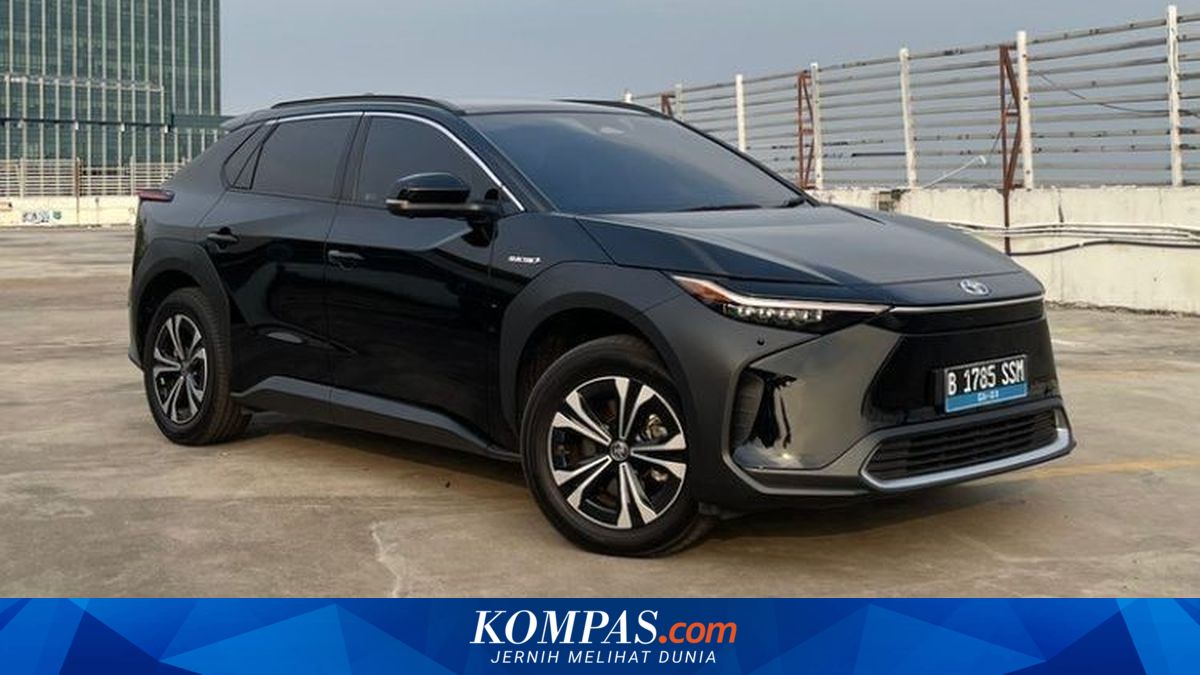
The national automotive industry is entering a major transformation phase with the arrival of the electric vehicle era. Amid global economic challenges and domestic market dynamics, electrification not only reflects a global technological trend but also forms part of a broader industrial strategy to strengthen competitiveness and create new added value. In Indonesia, the automotive sector has long been a major contributor to the economy, including through employment absorption, large investments, contributions to gross domestic product (GDP), and multiplier effects on supporting industries such as steel, rubber, plastics, and logistics. The Ministry of Industry records that the sector serves as an economic pillar with a gross value added contribution of around Rp 180 trillion in 2024. This figure demonstrates that the automotive industry is not just about vehicle sales but also generates a long production ecosystem. With the entry of the electric vehicle era, the structure of the automotive industry is shifting from a focus on internal combustion engine (ICE) vehicles to battery-based electric vehicles, such as hybrid electric vehicles (HEV), battery electric vehicles (BEV), plug-in hybrid electric vehicles (PHEV), and other more environmentally friendly technologies. Indonesia’s automotive industry transition to the electrification era is supported by various policies. The umbrella regulation for electric vehicles is Presidential Regulation (Perpres) No. 55 of 2019. This regulation covers several aspects, including the use of domestic components, the provision of fiscal and non-fiscal incentives, infrastructure provision, as well as registration and identification. Meanwhile, non-fiscal incentives include exemptions from certain road use restrictions and the transfer of production rights related to KBLBB whose licence is held by the government. From there, the government has also issued the Minister of Energy and Mineral Resources Regulation (Permen ESDM) No. 13 of 2020 on the Provision of Electricity Charging Infrastructure for Battery-Based Electric Motor Vehicles, as well as the Minister of Transportation Regulation No. 45 of 2020 on Certain Vehicles Using Electric Motor Propulsion. There is also the Minister of Industry Regulation No. 6 of 2022 on Specifications, Roadmap for Development, and Provisions for Calculating the Domestic Component Level Value of Battery-Based Electric Motor Vehicles, as well as the Minister of Finance Regulation No. 8 of 2024 on Value Added Tax on the Delivery of Certain Four-Wheeled Battery-Based Electric Motor Vehicles and Battery-Based Electric Motor Vehicles. These various policies aim to attract investment and encourage the penetration of electric vehicles in the domestic market. At the industry level, these policies are said to also drive the formation of domestic production bases, from vehicle assembly, main components, to supporting industries that have long been the backbone of the national automotive sector. Since the government introduced regulations and incentives related to electric vehicles, the domestic electric vehicle market has shown significant growth. In 2022, 10,327 electric vehicle units were successfully marketed. Sales continued to increase in 2023 to 17,062 units, then 43,193 units in 2024, and broke through 177,367 units in 2025. HEV sales reached 68,066 units, PHEV reached 5,272 units, and BEV reached 104,029 units. This trend marks a shift in consumer preferences in Indonesia, although the contribution of electric vehicles to the overall national automotive market is still not dominant compared to conventional vehicles. The availability of charging infrastructure is one of the key factors in accelerating the adoption of electric vehicles in Indonesia. PT PLN (Persero), as the national electricity provider, continues to expand the network of Public Electric Vehicle Charging Stations (SPKLU) as well as home charging services (HCS). Statistical data shows that in 2024, the number of operational SPKLU in Indonesia increased significantly to 3,233 units, up from 1,081 units the previous year. At the same time, the number of home charging facilities also increased to 28,356 units. This infrastructure growth is a response to the evolving needs of electric vehicle customers, while also supporting environmentally friendly mobility. PLN also records that as of August 2025, there are more than 4,134 SPKLU units and around 1,902 Public Electric Vehicle Battery Swap Stations (SPBKLU) across Indonesia. The infrastructure expansion tends to be concentrated in major urban areas and certain corridors, while inter-city mobility and more remote areas still require more even availability of charging points. The electrification era opens up major investment opportunities in the automotive sector and mineral downstreaming. Moreover, Indonesia has great potential as a global production base due to its abundant nickel reserves. As is known, nickel is an important component in electric vehicle battery production. This attracts interest from global manufacturers and investors to invest in electric vehicle production facilities or battery components. In addition to new entrants to the Indonesian market, the development of electric vehicles also involves established automotive manufacturers, such as Toyota, which has a long track record in the national automotive industry. Currently, Toyota plays an important role in penetrating environmentally friendly vehicles in Indonesia, especially through its HEV line, which serves as a technological bridge before a full transition to BEV. Gaikindo data shows that Toyota leads the hybrid car market in the country with total sales of 30,110 units throughout January–December 2025. Meanwhile, total exports reached 22,868 units. This situation indicates that Indonesia is not only a market but also has the potential to become a production base.