
Elon Musk Ambitious to Regulate Solar Energy from Outer Space with AI Satellites
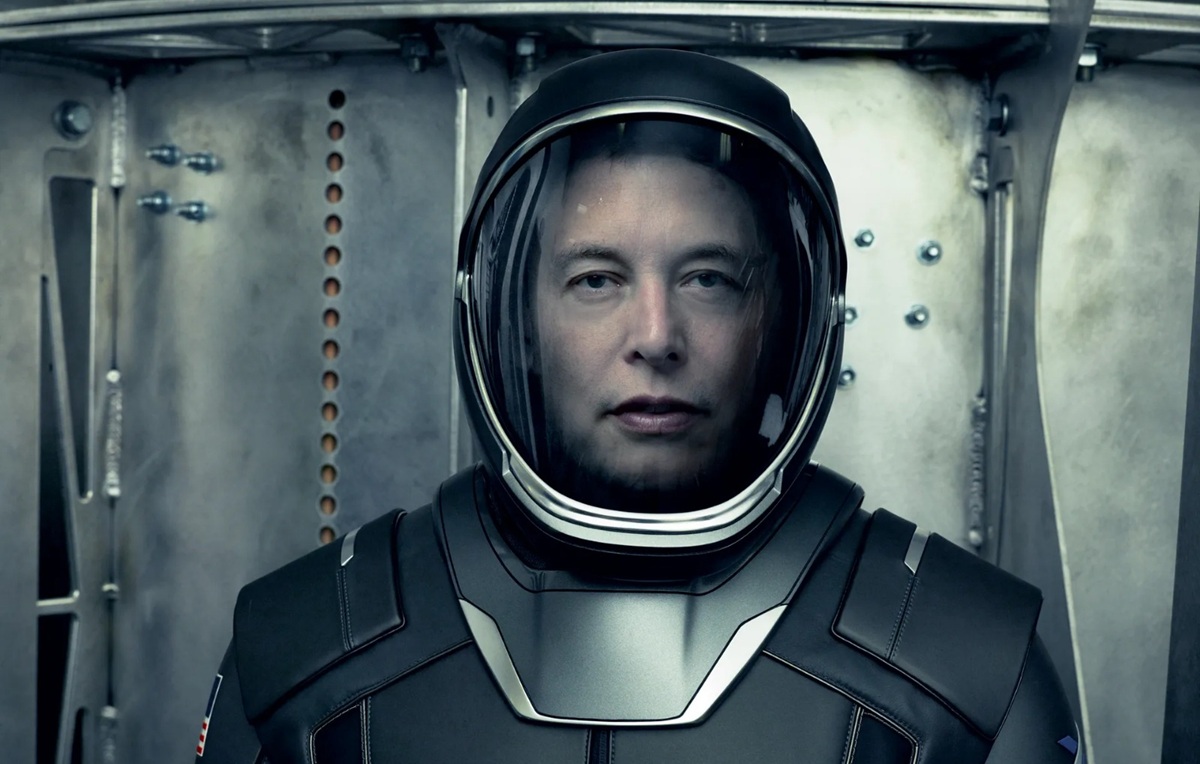
Elon Musk has once again sparked global debate. This time, it is not about electric cars or rockets, but a grander idea of controlling solar energy from outer space. According to The Economic Times, Musk proposes a system of solar-powered satellites controlled by artificial intelligence to regulate the amount of solar radiation entering Earth.
This concept is known in the scientific world as solar radiation management (SRM), a part of geoengineering. SRM takes the idea that if the Sun’s heat can be reduced slightly, Earth’s temperature could be more stable. Musk even states that small adjustments would suffice to avoid extreme warming or, conversely, to prevent global cooling.
This idea is linked to the possibility of saving Earth from eternal ice or the ‘Snowball Earth’ condition, a phase when the planet was almost entirely frozen millions of years ago.
Scientists acknowledge that the Snowball Earth event did occur in geological history, but its context is vastly different from Earth’s current conditions, so claims of saving the planet from eternal ice are better understood as long-term speculation rather than an emergency solution.
The issue is not with the idea itself, but with its impacts. Reducing solar radiation, even in small amounts, could trigger chain reactions. Plant photosynthesis could be disrupted, crop yields could potentially decline, and rainfall patterns could change drastically. The climate system is complex and cannot be regulated like a room thermostat.
There is also the risk known as termination shock, where if this system suddenly stops, Earth’s temperature could spike rapidly. The impacts could be more extreme than the current climate change.
Furthermore, there are issues of control. Who has the right to determine Earth’s ideal temperature? Which country holds control of the satellites? At this point, technology becomes a geopolitical issue.
In theory, Musk’s idea does not violate the laws of physics. But in practice, it is still far from ready. It would require thousands of satellites operating with precision without errors. A single small disruption could have global impacts.
In the scientific community, geoengineering remains debated. Many researchers see it as a last resort option, not the primary solution. The main focus remains on reducing emissions and transitioning to clean energy.
Musk’s AI satellite proposal shows that humanity is beginning to think about regulating its own planet, but the larger the scale, the greater the risks, so Elon Musk’s idea is better viewed as a trigger for important discussions and still at the thought experiment stage, not a real solution, because although controlling the Sun sounds sophisticated, for now, it is not a shortcut to saving Earth.